
Pramono Proposes Three Waste-to-Energy Plants in Jakarta to Process up to 7,000 Tonnes of Rubbish Daily
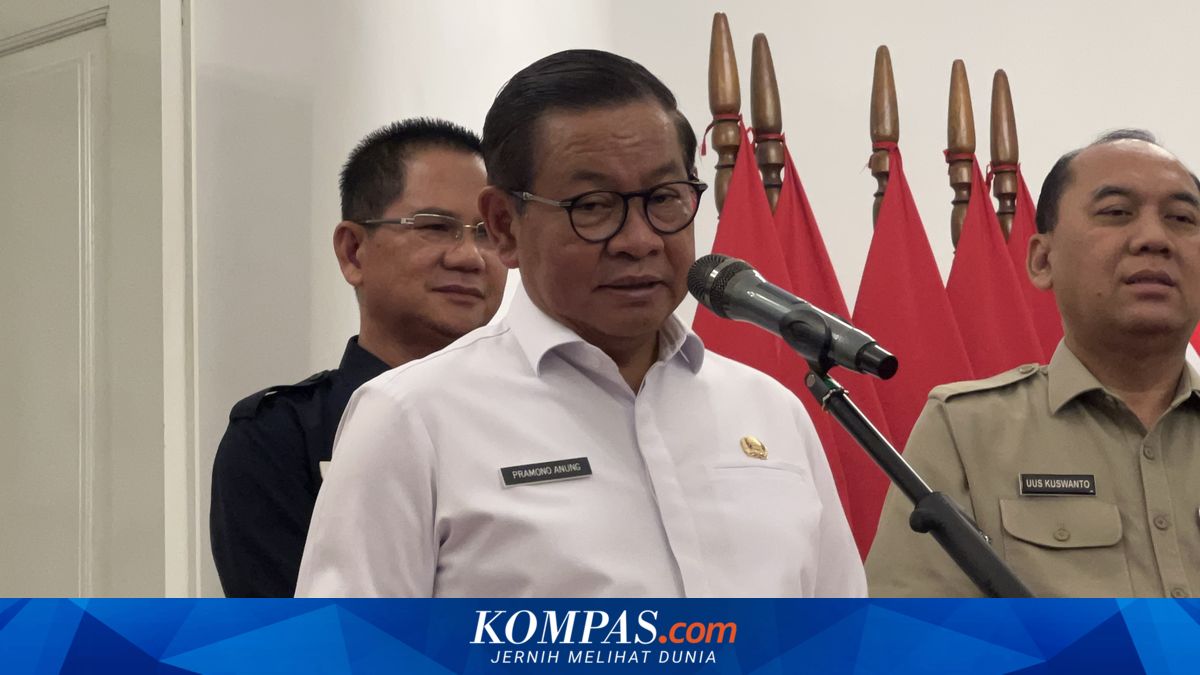
Jakarta, 12 March 2026—The Jakarta Provincial Government (Pemprov) DKI is planning to build three waste-to-energy plants (PLTS) to address the capital’s escalating waste management challenge.
The three waste-to-energy facilities are planned for the Bantargebang waste processing site, Rorotan in North Jakarta, and the Intermediate Treatment Facility (ITF) Sunter. Governor Pramono Anung stated that the three PLTS developments are targeted to process approximately 6,500 to 7,000 tonnes of rubbish daily upon full operation.
A meeting on the matter was attended by Coordinating Minister for Food Affairs Zulkifli Hasan, Deputy Environment Minister Diaz Faisal Malik Hendropriyono, Deputy Home Affairs Minister Bima Arya Sugiarto, and representatives from Danantara Indonesia.
“Firstly for Bantargebang, for the waste-to-energy plant, DKI Jakarta will formally propose three PLTS,” Pramono said when encountered in the Tanah Abang area of Central Jakarta on Thursday.
The three PLTS are planned to be constructed at Bantargebang, Rorotan, and Sunter in East Jakarta.
According to Pramono, the Bantargebang PLTS is designed to process approximately 3,000 tonnes of waste daily. Of this amount, approximately 2,000 tonnes comprise newly arriving waste each day, whilst a further 1,000 tonnes come from accumulated legacy waste at the site.
Meanwhile, the Rorotan PLTS is projected to process approximately 2,000 tonnes of waste daily, all sourced from newly generated waste. The Sunter facility is designed with a processing capacity of approximately 2,500 tonnes of newly generated waste per day.
“For Jakarta’s waste, if this PLTS and the Rorotan facility operate properly, approximately 6,500 to 7,000 tonnes per day of waste will be accommodated,” he said.
Pramono added that the Bantargebang PLTS is also expected to help reduce the accumulated stockpile of legacy waste at the site. He targeted a reduction of approximately 1,000 tonnes of accumulated waste daily from the Bantargebang area. Consequently, the volume of waste piling up at the landfill is expected to gradually decrease.
“Then Bantargebang [waste] reduced by 1,000 tonnes daily, I am confident this will also reduce the volume currently at Bantargebang. That is what we will do,” said Pramono.