
Pramono Proposes Three New Waste-to-Energy Power Plants in Jakarta
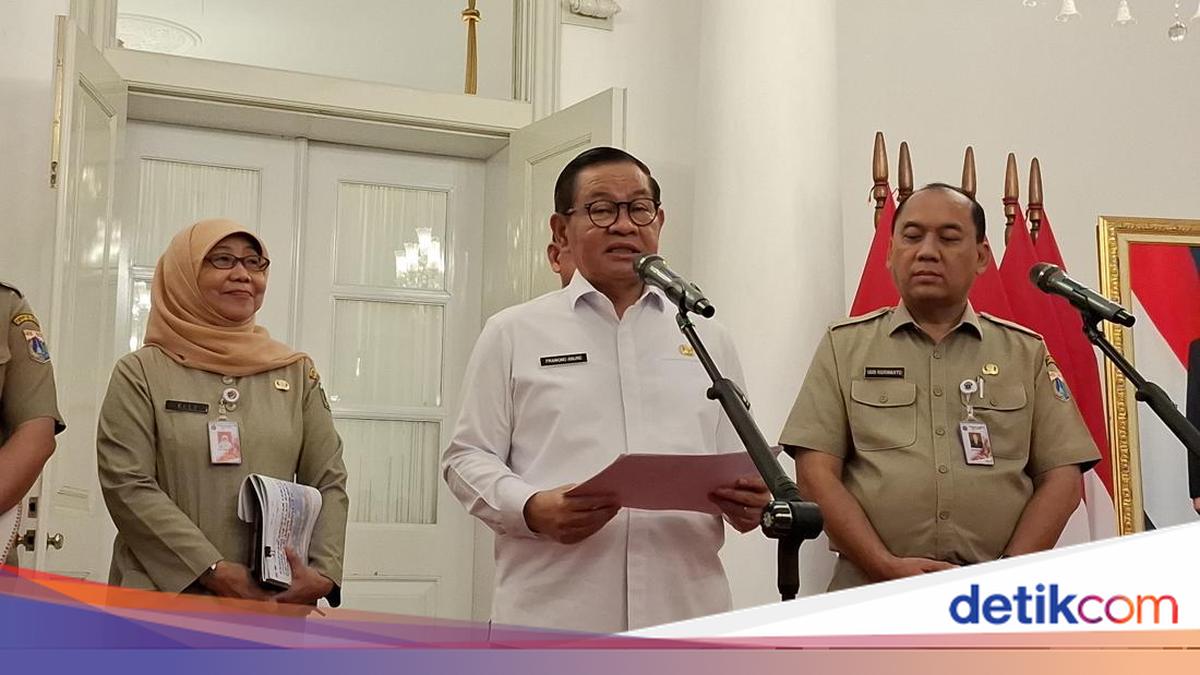
Jakarta Governor Pramono Anung has formally proposed the construction of three new waste-to-energy power plant facilities (PLTS) in Jakarta. The three proposed locations are at the Bantar Gebang waste treatment site (TPST), the Tunjungan area in North Jakarta, and the ITF Sunter complex.
Pramono stated that the proposal forms part of efforts to address Jakarta’s waste management challenges whilst simultaneously reducing the burden on Bantar Gebang’s capacity.
“DKI Jakarta will formally propose three PLTS facilities. The first at Bantar Gebang, the second in Tunjungan, North Jakarta, and the third at Sunter,” Pramono told reporters on Thursday, 12 March 2026.
He explained that the waste processing capacity would differ for each facility. The PLTS at Bantar Gebang is planned to process approximately 3,000 tonnes of waste per day, comprising roughly 2,000 tonnes of new waste transported from Jakarta and 1,000 tonnes of legacy waste already accumulated at the site.
The PLTS facility in Tunjungan is targeted to process approximately 2,000 tonnes of waste per day, sourced entirely from new waste. The Sunter facility is projected to process approximately 2,500 tonnes of waste per day.
“For Sunter, roughly 2,500 tonnes, all of which is new waste,” he stated.
Pramono noted that if all three facilities operate simultaneously alongside other existing waste treatment facilities, Jakarta’s overall waste processing capacity could reach approximately 6,500 to 7,000 tonnes per day.
This would enable a gradual reduction in the volume of waste transported to Bantar Gebang on a daily basis.
“Therefore, if these PLTS facilities and the Rorotan facility operate, Jakarta will process approximately 6,500 to 7,000 tonnes of waste per day. Consequently, the volume sent to Bantar Gebang can be reduced by approximately 1,000 tonnes daily,” he explained.
He expressed hope that the second phase of the PLTS project would progress to contract signing in the near term.