
Pramono Prepares Incentives for RW Disciplined in Waste Sorting in Jakarta
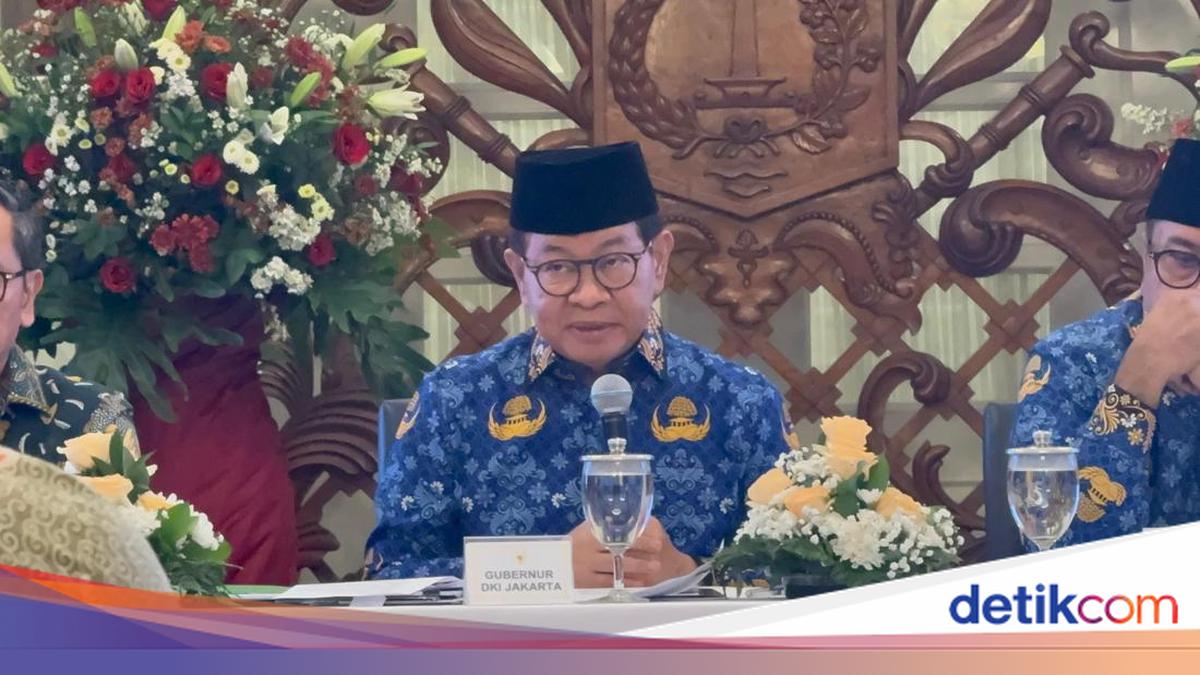
Under the regulation, the DKI Jakarta Provincial Government provides rewards in the form of support for facilities and infrastructure to RWs that successfully achieve 100% waste sorting in their areas. “Providing incentives in the form of infrastructure and facilities to RWs that have successfully achieved 100% sorting in accordance with applicable provisions,” states the provision in the Gubernatorial Instruction viewed by detikcom on Wednesday (6/5/2026). Pramono emphasised that this policy not only regulates obligations but also encourages active community participation through an incentive-based approach. Thus, residents are expected to be more disciplined in sorting waste from their homes. In addition to incentives, this Gubernatorial Instruction also includes obligations for all Jakarta residents to sort waste into four categories: organic, inorganic, hazardous and toxic materials (B3), and residual. The role of sub-district heads and RW administrators is key in implementing this regulation. Sub-district heads are required to ensure all residents carry out waste sorting, while also conducting education and supervision in the field. Not only that, RWs are also given the authority to impose administrative sanctions on residents who are undisciplined in sorting waste, based on the results of deliberations at the neighbourhood level. “Imposing administrative sanctions based on the decision of the RW management deliberation on households that are negligent or intentionally fail to sort waste through the RW Chairs in accordance with the provisions of Article 127 paragraph (1) of Regional Regulation Number 3 of 2013 on Waste Management,” wrote Pramono. The DKI Provincial Government also encourages every RW to have supporting facilities, such as Waste Bank Units (BSU) and waste management sections at the RW level. This is to ensure that the waste sorting and processing system runs optimally in the community. Meanwhile, the DKI Jakarta Environmental Agency will conduct periodic monitoring and evaluation, including ensuring that waste transported to temporary disposal sites (TPS) is already sorted. This policy applies to all sectors, from households, offices, to business actors such as hotels, restaurants, and apartments. They are required to manage waste independently so that the waste produced is only residual. This Gubernatorial Instruction was signed on 30 April 2026 and is part of the DKI Provincial Government’s efforts to reduce the waste burden in the capital and create a cleaner and more sustainable environment.