
Pramono: Only 211 Slum RW Areas Remain in Jakarta
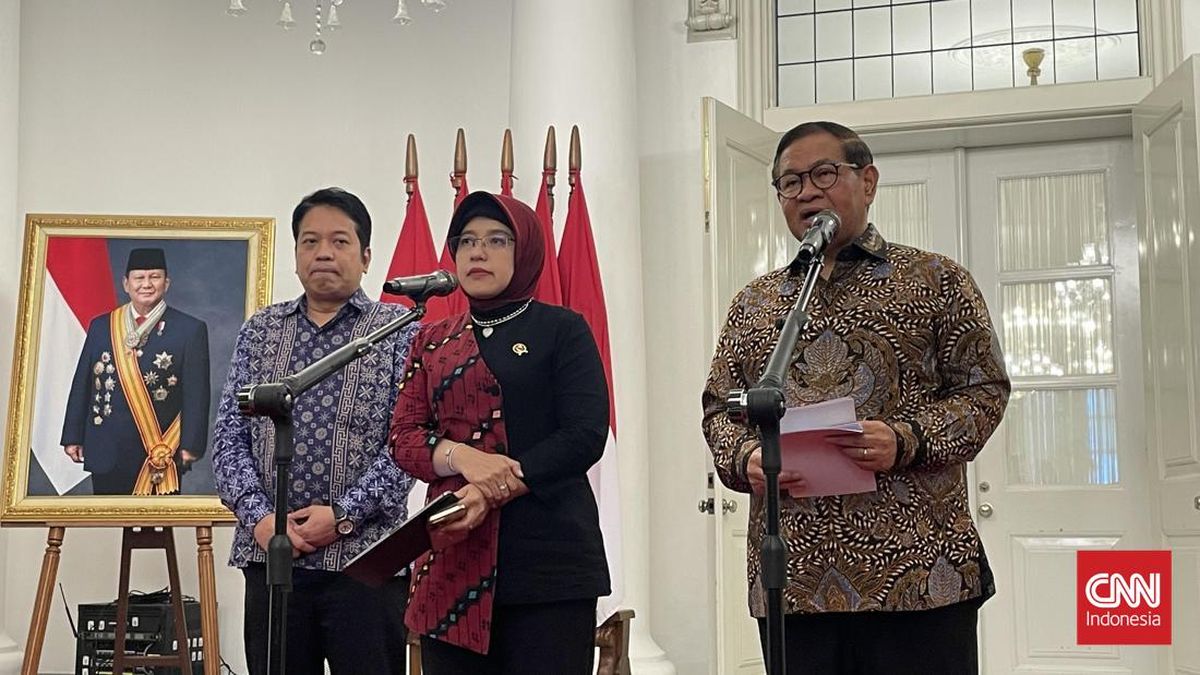
The Jakarta Provincial Government (Pemprov DKI Jakarta) together with the Central Statistics Agency (BPS) has recorded a decline in the number of slum Rukun Warga (RW) areas in Jakarta from 445 RW in 2017 to 211 RW in 2026.
“So, to put it simply, in 2017 the number of slum RW was 445. In one year of my administration and a bit more, now it has become 211 RW,” said Jakarta Governor Pramono Anung at the DKI Jakarta City Hall, Central Jakarta, on Wednesday (6/5).
Pramono did not deny that this success is not the result of instant work, but rather a long process from the local government that must continue to be monitored consistently in the future.
“I do not want to claim that it is all the result of what we have done, but if you look at the development of increasing population, and the field problems are becoming more complex, a decline of almost 52 percent in my opinion is already something extraordinary and I am grateful for that,” he said.
In line with that, BPS Head Amalia Adininggar Widyasanti confirmed the accuracy of the decline in the number of slum areas through a methodology combining field data collection and satellite imagery.
“We use two approaches, a direct field data collection approach combined with calibration through satellite imagery methodology,” said Amalia.
“From the data collection results we conducted, of course the total RW in DKI Jakarta is 2,749 RW and from the latest data collection results conducted in 2025 and then finalised in 2026, those identified as slum RW are 211 slum RW,” she continued.
Amalia detailed the criteria that can be classified into the slum category.
“Well, the criteria for slum RT are 11. First is population density, second is building density, third is the construction of residential buildings, then fourth is the condition of ventilation and lighting of residential buildings, fifth is places for defecation, sixth is the method of waste disposal,” she said.
In addition to the initial six points, the eligibility criteria also target the frequency of waste collection, water channel conditions, road infrastructure, public road lighting, and building space layout.
“So the essence is the slummyness of an RT which is then aggregated into slum RW, not only seen from the form of buildings and building density and building eligibility conditions, but also seen from the condition of environmental facilities and sanitation,” said Amalia.
Amalia added that the data collection synergy between BPS and Pemprov DKI Jakarta will not stop here.
Amalia plans to follow up on thousands of other RW with the latest satellite imagery overlay system to ensure the validity of residential eligibility standards.
“BPS with DKI Jakarta will continue this good cooperation and we will continue it by overlaying 1,904 RW with satellite imagery results to ensure which RW still need verification,” she said.