
Pramono Officially Bans New Padel Court Construction in Residential Zones
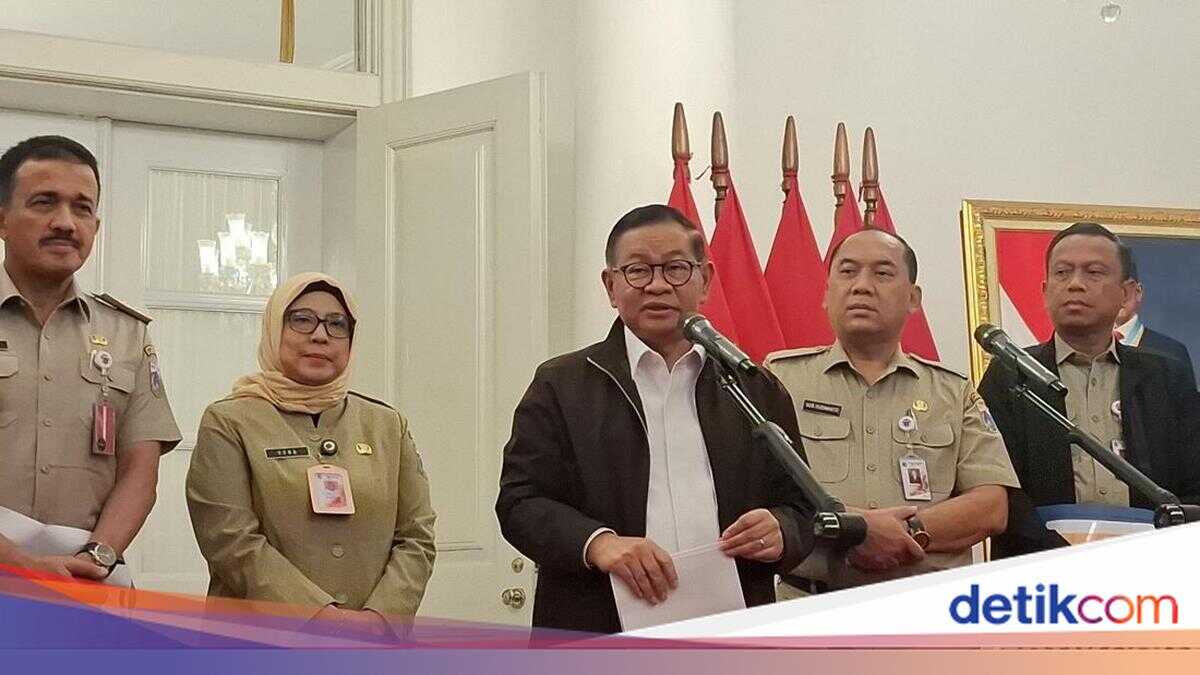
Jakarta Governor Pramono Anung has decided to halt the issuance of permits for new padel court construction in residential zones. Henceforth, padel courts will only be permitted in commercial areas.
The decision was announced by Pramono after chairing a limited meeting at Jakarta City Hall on Tuesday (24/2/2026). The meeting specifically addressed the enforcement of regulations surrounding padel courts, which have proliferated recently and drawn complaints from residents.
“It has been decided that new permits for padel court construction will not be allowed in residential zones. All new facilities must be in commercial zones,” Pramono said.
Pramono revealed that there are currently 397 padel courts spread across Jakarta. The DKI Jakarta provincial government is still investigating how many of these hold complete permits, including Building Approval (PBG).
“Those without PBG will face cessation of activities, demolition, and revocation of business permits,” he stressed.
Meanwhile, padel courts that already possess PBG but are located in residential areas will have their operating hours restricted to a maximum of 8:00 PM Western Indonesian Time. He also requested that mayors, sub-district heads, and village heads negotiate with local residents.
“Even if they already have PBG, if they are in residential areas, operations must cease by 8:00 PM at the latest,” he said.
In addition to operating hour restrictions, operators will be required to install sound-dampening systems to minimise noise from ball impacts and player shouting, which have been frequent sources of complaints from residents.
Pramono identified three main complaints from residents regarding padel courts in residential areas: illegal parking, noise, and late-night operations.
“Padel players typically arrive in their own cars. Because there is insufficient parking space, they often park on residential streets and disturb residents. We will address this,” he explained.
He also emphasised that padel courts built on DKI Jakarta provincial government assets, particularly on Green Open Spaces (RTH), will not be permitted to operate. Green Open Spaces must be used in accordance with their designated purpose.
As for new padel court construction, the DKI Jakarta provincial government will require preliminary technical approval from the Youth and Sports Agency (Dispora) to ensure facilities are no longer built without comprehensive assessment.
“We do not want everyone who wishes to build a padel court to simply be able to do so in Jakarta without clear regulations,” he concluded.