
Pramono: Jakarta's Waste Sorting Programme to Begin on Sunday, 10 May
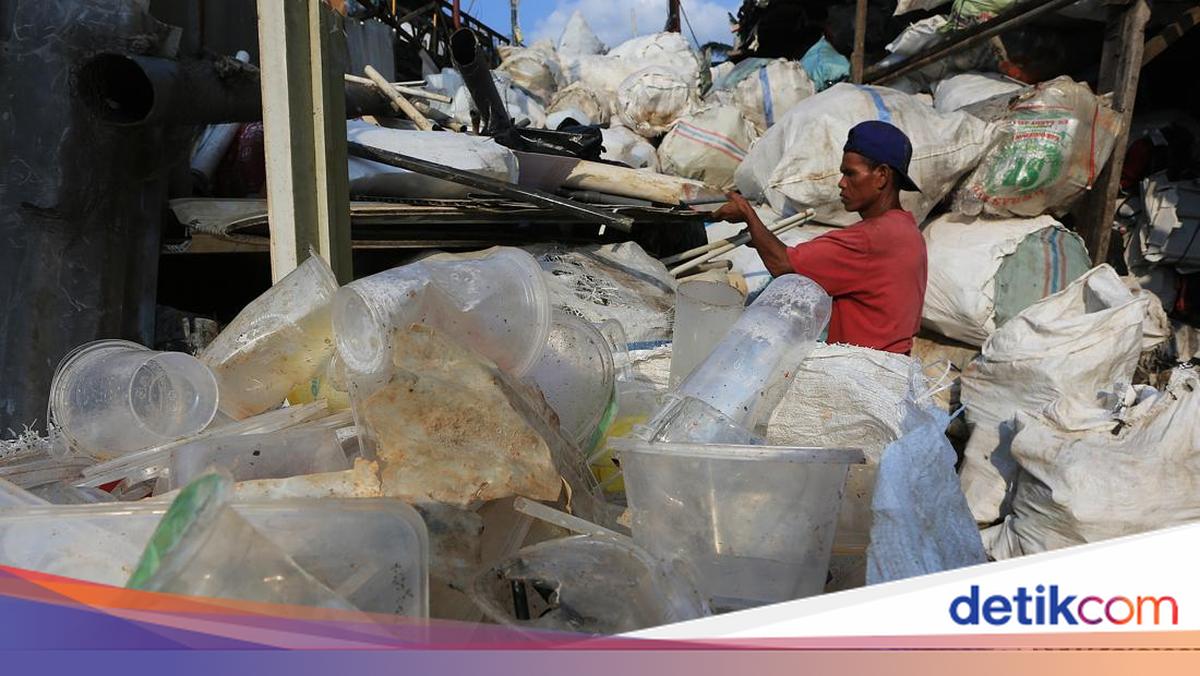
Governor of DKI Jakarta Pramono Anung is committed to improvements by requiring Jakarta residents to sort waste into four categories. Pramono stated that this waste sorting will be enforced starting Sunday, 10 May.
“Colleagues, tomorrow on the 10th, Jakarta will officially begin the waste sorting programme, and this will be a massive movement because nearly 50% of our waste is actually organic waste,” Pramono told reporters at the DKI City Hall on Thursday (7/5/2026).
Pramono gave an example that waste management in Kramat Jati, East Jakarta, is now permitted to be handled directly. Waste management is also allowed so that residents have transportation equipment for processing to address Jakarta’s waste problems.
“In the past, for example in Kramat Jati, direct management was not allowed; now I permit it. Even field management is possible; they can have their own transportation equipment and processing tools. Thus, hopefully, this will enable Jakarta to quickly overcome its waste issues,” he explained.
Pramono explained the impact of the landslide at TPST Bantargebang in Bekasi on Jakarta. However, he stated that the problem has now been relatively handled.
“The impact of the Bantargebang landslide is still felt to this day, but it has been relatively addressed because we have overcome it at several points,” he concluded.
Previously, the DKI Jakarta Provincial Government officially issued Governor’s Instruction (Ingub) Number 5 of 2026 on the Waste Sorting and Processing Movement from the Source. This regulation requires all Jakarta residents to sort household waste into four categories.
As seen by detikcom in the Ingub on Wednesday (6/5), waste sorting is carried out based on four types: organic waste, inorganic waste, hazardous and toxic materials (B3), and residue. Each type of waste has different subsequent processing mechanisms.
Organic waste such as food scraps and leaves is directed to be processed through composting, maggot processing, or biodigesters. Meanwhile, inorganic waste such as plastic, paper, and metal is encouraged to go to waste banks or be recycled.
B3 waste, such as batteries, lamps, and other hazardous waste, must be handled specially and taken to TPSB3. Residue is the remaining waste that cannot be further processed and will be taken to final processing sites such as RDF or PLTSa.
This Ingub also emphasises that waste sorting must be done from the source, namely households, offices, to business areas. In addition, the role of regional apparatus down to the neighbourhood level (RW) is strengthened.
Sub-district heads are asked to ensure all residents sort waste, while conducting education and supervision in the field. Even in the regulation, RW officials can impose administrative sanctions on residents who do not sort waste according to the provisions.
Sanctions are given based on deliberations at the RW level. Conversely, the DKI Provincial Government also prepares incentives for areas that successfully implement maximum waste sorting.
“Providing incentives in the form of infrastructure and facilities to RWs that have successfully achieved 100% sorting in accordance with applicable provisions,” states the Ingub.
In addition to the community, similar obligations apply to offices, business actors, to area managers such as hotels, restaurants, and apartments. They are asked to provide independent waste processing facilities so that the waste output is only residue.
The DKI Provincial Government through the Environmental Agency will also conduct strict supervision, including ensuring that waste transported to temporary collection points (TPS) is already sorted.