
Pramono: Impact of Bantargebang TPST Landslide Still Felt to This Day
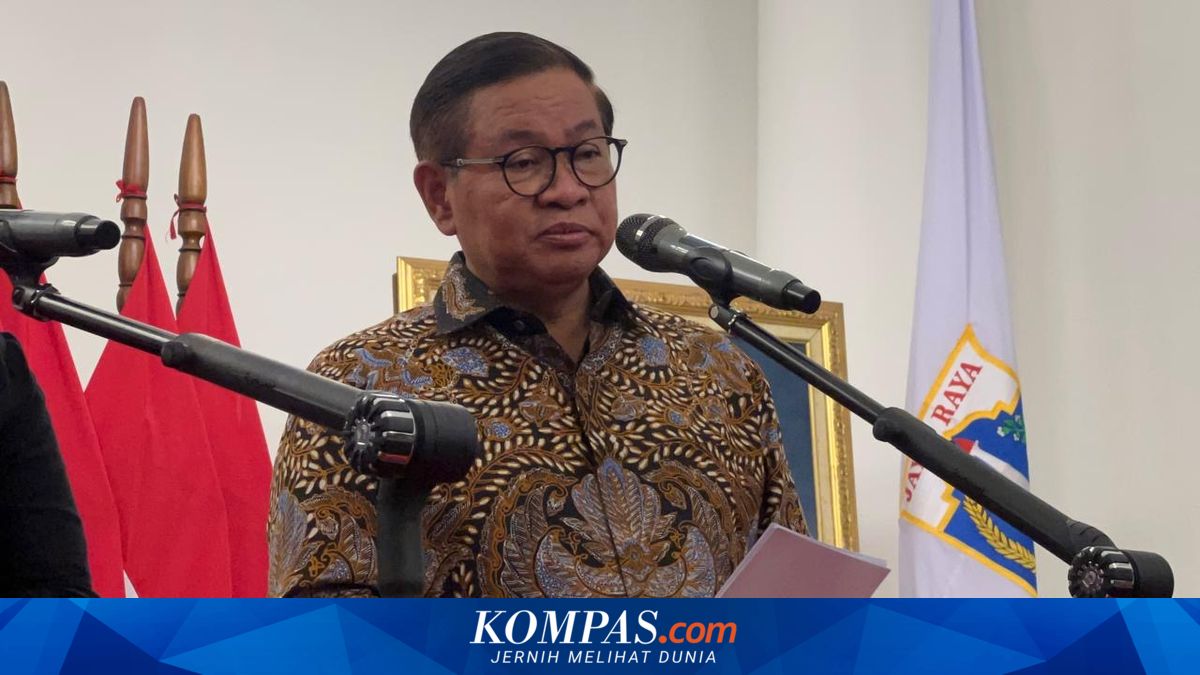
Jakarta Governor Pramono Anung has stated that the landslide at the Bantargebang Temporary Waste Disposal Site (TPST) has had a major impact on Jakarta, particularly in waste transportation.
According to Pramono, the effects of the landslide, which occurred on Sunday (8/3/2026), are still being felt today, although some aspects have begun to be addressed.
“Indeed, the impact of the Bantargebang landslide is still felt to this day, but it has been relatively managed because we have been able to address it at several points,” said Pramono at Jakarta City Hall on Thursday (7/5/2026).
This situation has caused waste to pile up in several areas of Jakarta due to delays in waste delivery.
Not only that, following the landslide incident, the Central Government through the Ministry of Environment and Forestry has requested the DKI Jakarta Provincial Government to stop the open dumping system or open waste disposal at Bantargebang.
Starting from 1 August 2026, only 50 percent of residual waste will be allowed to be disposed of at Bantargebang.
Therefore, the DKI Provincial Government is now accelerating waste reduction at the source.
To address this, Pramono has urged that Governor’s Instruction (Ingub) Number 5 of 2026 on the obligation to sort waste at the source take effect from Sunday (10/5/2026).
“Tomorrow, on the 10th, Jakarta will officially start the waste sorting programme, and this will be a massive movement because nearly 50 percent of our waste is actually organic waste,” said Pramono.
Not only that, waste management is now also starting to be permitted directly in respective areas.
According to him, residents or on-site managers will be able to own their own transportation equipment and waste processing tools so that waste handling can be faster.
“For example, in Kramat Jati, it was not allowed to be managed directly; now I permit it. Even management can be done on-site; they can own their own transportation equipment and processing tools,” said Pramono.
All these steps are being taken so that Jakarta’s waste problems can be handled more quickly.
“Hopefully, this will enable Jakarta to soon overcome its waste issues,” said Pramono.