
Prabowo's Overseas Visits: What Has Been Gained and What Must Be Paid
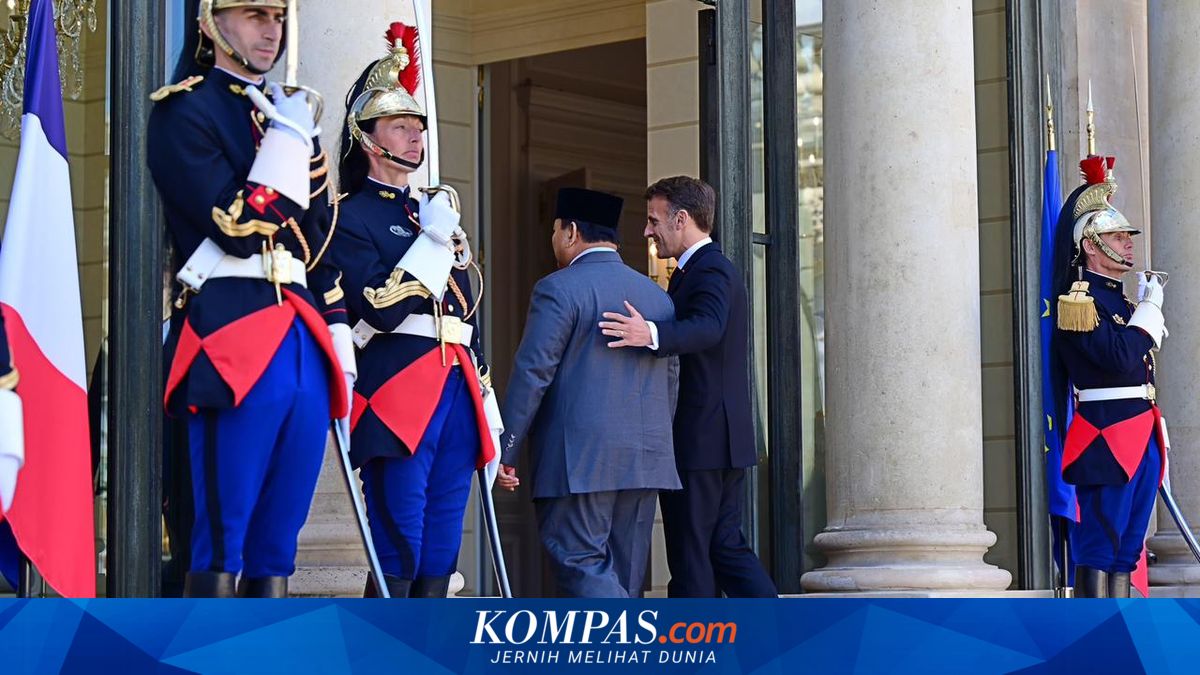
The diplomatic foreign policy steps taken by President Prabowo Subianto since his inauguration in October 2024 up to his most recent visit to Russia and France in April 2026 represent an unprecedented phenomenon of a “Diplomatic Blitz” in the history of Indonesian presidencies. In less than two years, this diplomatic guerrilla warfare has reached more than 28 countries, spanning the axes of Beijing, Washington, London, to Moscow. However, behind the warm handshakes and state red carpets, there is actually a much more complex and risky geoeconomic narrative. Essentially, in addition to strengthening diplomatic relations, Indonesia is also pursuing massive foreign investment amid the increasingly heated fragmentation of the global order. This series of visits reveals a paradigm shift from normative-multilateral diplomacy towards “Transactional Strategic Autonomy”. Jakarta is no longer merely seeking political recognition, but is pragmatically seeking to secure flows of capital and technology. This urgency becomes even clearer when the Strait of Hormuz blockade broke in February 2026, which disrupted 30 percent of the world’s oil supply and sent the Rupiah to its weakest level at Rp 17,159 per US Dollar. This situation forced the government to move quickly to secure energy supplies while maintaining investor confidence to prevent foreign capital from fleeing (capital flight). During his series of visits, Prabowo succeeded in securing giant investment commitments. From China in November 2024, promises worth $10.07 billion were collected. The UK followed with commitments of $8.5 billion. The peak occurred in February 2026 in Washington D.C., where through 11 Memoranda of Understanding (MoUs), Indonesia managed to secure investment promises of $38.4 billion. This was then added to commitments from Japan worth $23.63 billion and South Korea amounting to $10.2 billion. Cumulatively, the total Foreign Direct Investment (FDI) commitments brought home exceed $90 billion. A fantastic figure on paper, but full of administrative traps and geopolitical risks. This is where the critical point lies: can the domestic bureaucracy transform the pile of MoUs into physical realisations at a time when the global economy is experiencing contraction? If not, then this “Diplomatic Blitz” will only become an expensive ceremonial parade without real impact on long-term economic growth.