
Prabowo Targets Indonesia to No Longer Need BBM Imports in Three Years
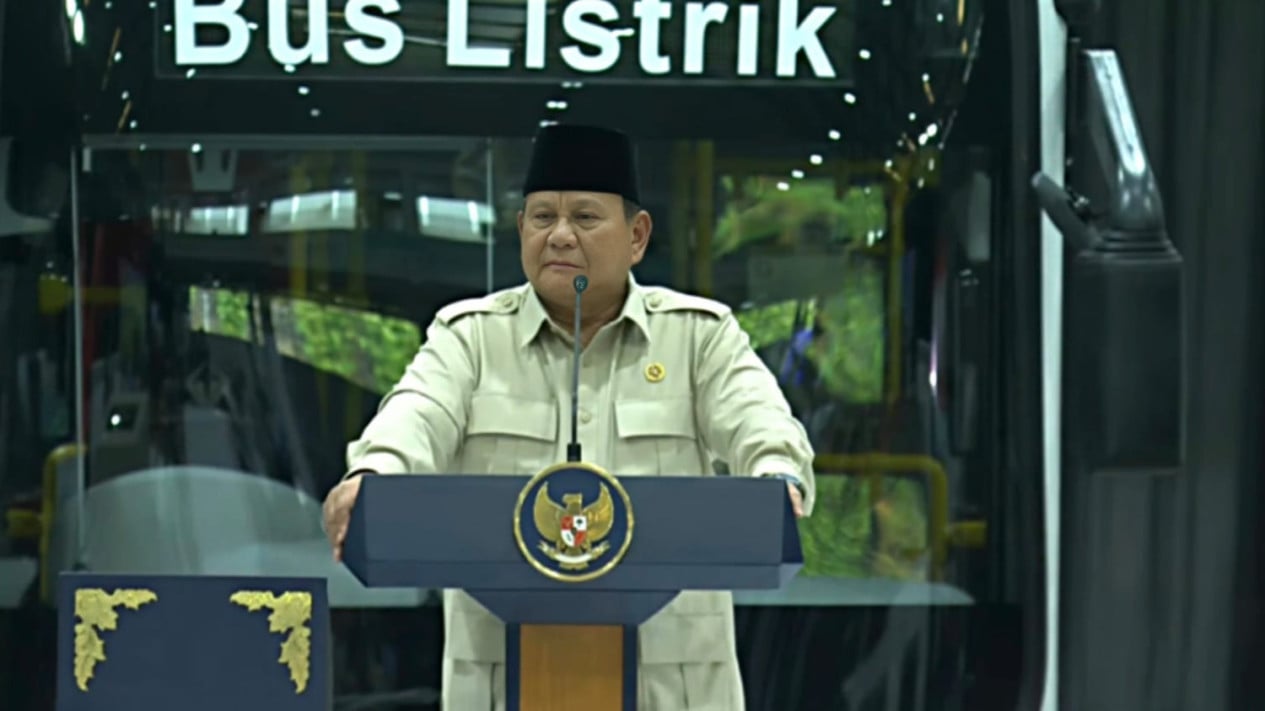
President of the Republic of Indonesia Prabowo Subianto targets Indonesia to be able to halt all fuel oil (BBM) import activities within the next two to three years in order to strengthen national energy independence.
“Perhaps in two or three years we won’t need to import BBM at all,” said President Prabowo in his speech while inaugurating the VKTR electric-based commercial vehicle assembly plant in Magelang, Central Java, on Thursday, 9 April 2026.
He explained that this target will be achieved through the 100-gigawatt electrification programme, which is expected to be completed in two years. This programme includes the closure of 13 PLN-owned diesel power plants (PLTD) that have been consuming large amounts of diesel.
According to the President, closing these dozen PLTDs can directly save up to 200,000 barrels of diesel per day. Currently, Indonesia still imports 1 million barrels of BBM every day, so reducing diesel usage will cut import dependency by 20 per cent.
In addition to electrifying power plants, the government is also encouraging the use of electric vehicles and the utilisation of other renewable energy sources, such as processing palm oil and used cooking oil into aviation fuel.
Prabowo emphasised that massive investments will be allocated for building processing centres or refineries to support this transformation.
“We will be independent, we will be strong, we will stand on our own feet,” said Prabowo.
Prabowo inaugurated the electric-based commercial vehicle assembly facility in Magelang as part of efforts to promote downstreaming and industrialisation of technology domestically.
Through increasing production capacity to reach 10,000 bus units per year, the government aims to strengthen the national automotive ecosystem while gradually raising the Domestic Component Level (TKDN) standard to 80 per cent.
The operation of this plant also serves as a strategic instrument in supporting the national energy transition from fossil fuel dependency to the use of clean energy. (Ant)