
Prabowo Signs Health Regulation, Governing Service Integration from Central to Village Level
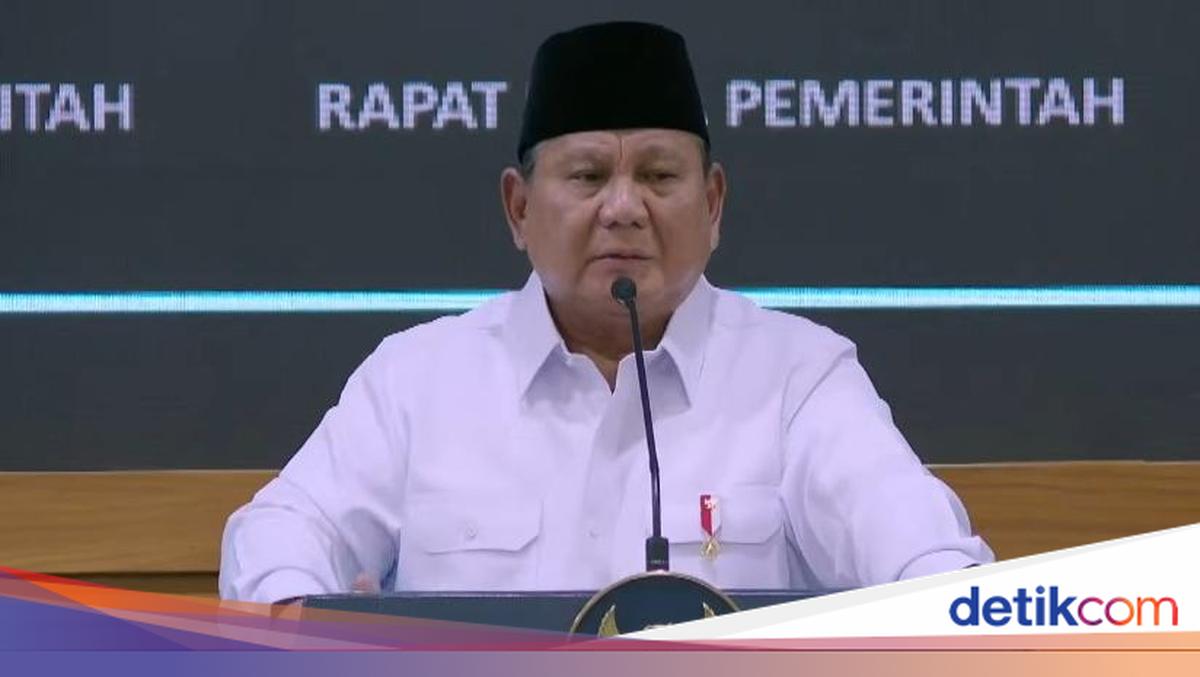
President Prabowo Subianto has issued Presidential Regulation (Perpres) No. 13 of 2026 on Health Management. This regulation serves as the new foundation for the governance of the national health system, integrated from the central level to villages.
The policy emphasises that health management is conducted in an integrated manner to ensure improvements in public health standards.
“Health Management is the application of governance to health efforts and health resources organised by the central government, provincial regional government, regency/city regional government, and village government in an integrated manner,” states Article 1 of the Perpres, as uploaded on jdih.setneg.go.id on Friday (17/4/2026).
This Perpres is a derivative of Law No. 17 of 2023 on Health, which mandates the strengthening of the national health system. The government targets improvements in the quality of health services that are equitable and affordable.
The regulation also outlines the main objectives of health management, namely to enhance public health standards while strengthening service coordination.
“The regulation on Health Management aims to achieve the highest possible public health standards… and to improve coordination in the provision of effective, efficient, quality, and affordable health services,” as stated in Article 2.
The government establishes the national health system as the primary framework for implementing this policy. The system is implemented in a tiered manner from central to local levels, involving community participation.
“Health Management is carried out within a national Health system… organised with community participation,” as regulated in Article 3.
The scope of services under this Perpres is extensive, covering maternal and child health, mental health, control of communicable and non-communicable diseases, and health services in disaster conditions.
In addition, the government emphasises the importance of strengthening health resources, including service facilities, health personnel, information systems, technology, and funding.
The Perpres also regulates oversight mechanisms. The central government may issue reprimands up to disincentives to regional governments if the implementation of health development is not aligned with national policies.
This is regulated in Article 20, which states:
The central government is authorised to issue verbal reprimands, written reprimands, and disincentives to provincial regional governments, regency/city regional governments, and Village Governments in accordance with statutory provisions in cases based on monitoring and evaluation results:
Preparation of health development planning that contradicts the national long-term plan, national medium-term development plan, health sector master plan, and government work plan;
Implementation of Health Efforts and Health Resources in the region not in accordance with the national development strategy;
There is non-compliance in reporting achievement of health development targets; and/or
There is non-compliance in reporting the realisation of the health budget.
As part of strengthening coordination, the government is also forming an inter-ministerial/institutional forum in the health sector to accelerate development and enhance the resilience of the national health system.