
Prabowo Seeks Education Reform, Targeting Renovation of 300,000 Schools to National Digitalisation
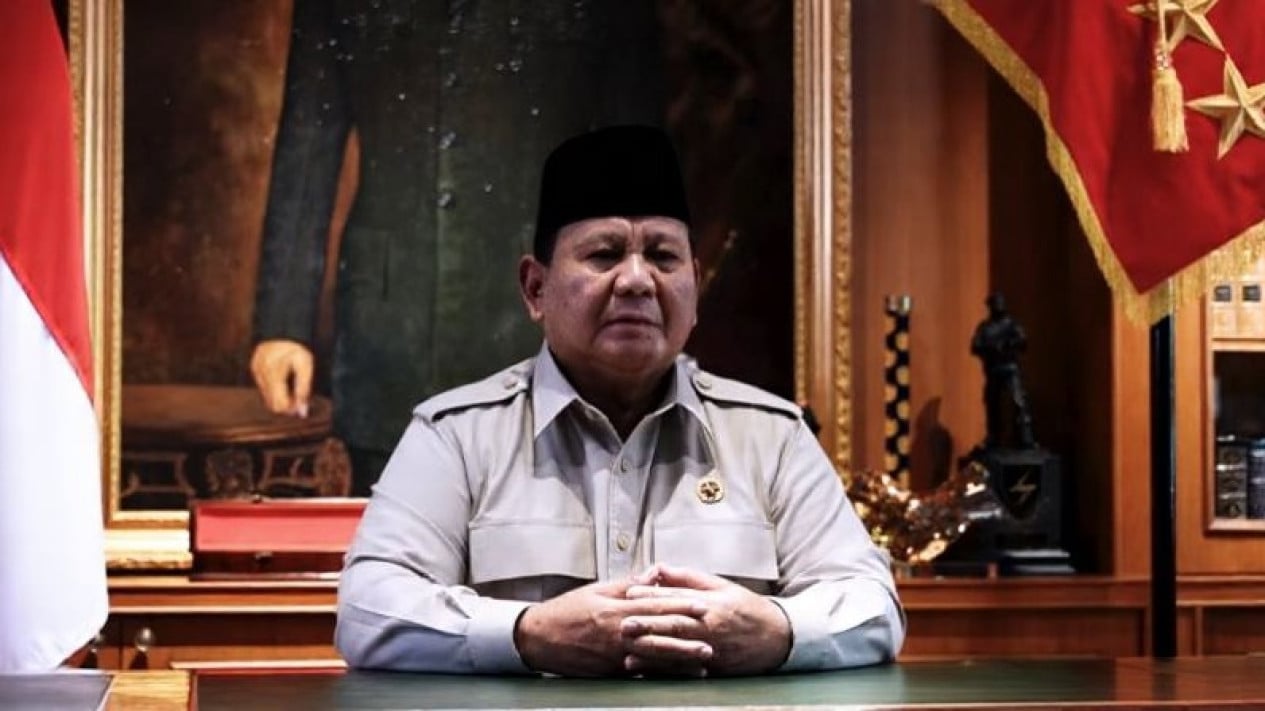
President of the Republic of Indonesia, Prabowo Subianto, has reaffirmed his commitment to carrying out a major reform in the education sector, ranging from school infrastructure improvements to national learning digitalisation. Prabowo emphasised that the government is accelerating the school renovation programme with a target of 300,000 units over the next five years. “I am currently carrying out the physical improvement of schools. Last year, we managed only 17,000 schools. This year, 70,000 schools. Next year, I want to increase to 90,000 schools. In five years, I want to complete 300,000 schools,” said Prabowo during a dialogue titled “President Prabowo Responds to MBG Criticism, BOP Related to Palestine & Negotiation of US Tariffs with Donald Trump,” quoted on Sunday, 22 March 2026. In addition to physical improvements, the government is also transforming the learning system through digitalisation across all schools in the country. Prabowo stated that more than 288,000 units of interactive flat panels have been distributed to disadvantaged, frontier, and outermost regions (3T). The Head of State explained that these devices are equipped with learning materials that can help students understand lessons in a more interactive manner. “Each interactive panel has software that we fill, almost all lesson syllabi are there. So after one class lesson, if the teacher wants to repeat it, it’s available,” he said. Furthermore, Prabowo revealed that the government is also preparing a centralised teaching system to address disparities in teacher quality across various regions. “Later, we will have a studio where the best teachers will teach in schools that lack mathematics teachers or English teachers; they can receive lessons. And with the interactive panels, we can monitor in the classroom,” he explained. The President emphasised that this education reform is part of a grand strategy to improve the quality of Indonesia’s human resources amid global technological developments. “This is a leap in human capital steps,” Prabowo asserted. According to him, education is the main key in increasing productivity and driving national economic growth.