
Prabowo Orders Bahlil to Seek Revenue from Minerals That Have Been Unfair to the State
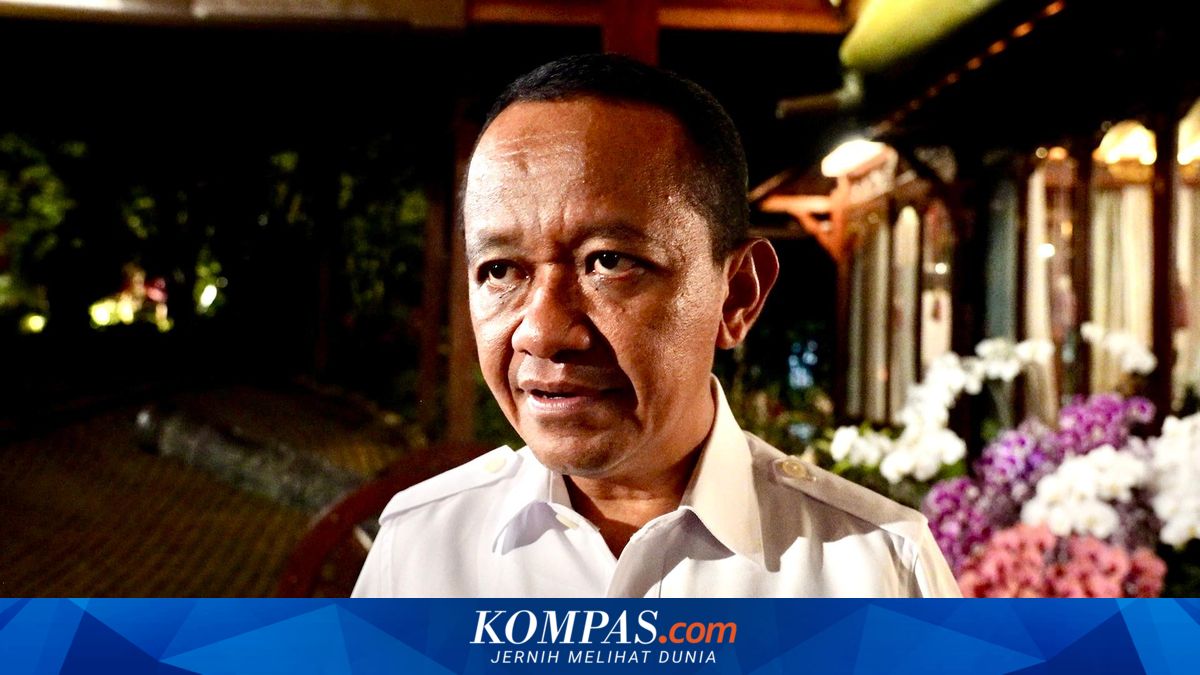
JAKARTA, KOMPAS.com - President of the Republic of Indonesia Prabowo Subianto has ordered the Minister of Energy and Mineral Resources Bahlil Lahadalia to seek sources of revenue from the mineral sector that have hitherto been unfair to the state.
This specific directive from Prabowo also aims to ensure that the management of natural resources (SDA) prioritises the interests of the state.
Because, Bahlil said, Prabowo emphasised the importance of safeguarding natural resources as a national strategic asset, while also promoting the optimisation of state revenues from the mineral sector.
“The President has ordered me to pay attention to the interests of the state, with priority above all else, and to protect our natural resources, which are a national asset. And for that reason, the President also ordered me to seek sources of revenue in the mineral sector that have so far been unfair to the state,” Bahlil stated, following a meeting with Prabowo in Hambalang, West Java, on Wednesday (25/3/2026) evening.
He mentioned that the development of downstream processing programmes is one of the government’s priorities.
Of the 20 first-phase downstream processing projects, some have entered the groundbreaking stage, while the rest are scheduled to begin next month.
“Then we add another 13 downstream processing items with a total investment of approximately Rp 239 trillion, which we will discuss for finalisation,” he said.
In addition to downstream processing, Bahlil also addressed the development of alternative energy as part of efforts towards energy resilience and self-sufficiency.
According to Bahlil, Prabowo has directed that all domestic energy potentials be optimised, including ethanol and biodiesel based on crude palm oil (CPO), as well as accelerating the transition to new and renewable energy.
Furthermore, Bahlil reported on the current conditions of energy and mineral commodity prices, particularly coal and nickel.
Bahlil affirmed that there have been no policy changes regarding the management of these two commodities to date, while the government continues to monitor global market dynamics.
“If the prices remain stable, that’s good; we will consider measured relaxations to production planning. So, everything is still within the bounds of coordination with the market, and supply and demand needs. The important thing is that we want the prices to remain good; we pray for good coal prices, good nickel prices, and then we will implement measured relaxations,” Bahlil said.
The government is also striving to keep commodity prices competitive without sacrificing national interests.
With integrated policy directions from industrial downstream processing, strengthening domestic energy, to sovereign natural resource governance, the government targets the creation of a stronger, more independent, and globally competitive national economic structure.