
Prabowo Insists MBG Programme Will Continue, Rather Than Funds Being Corrupted
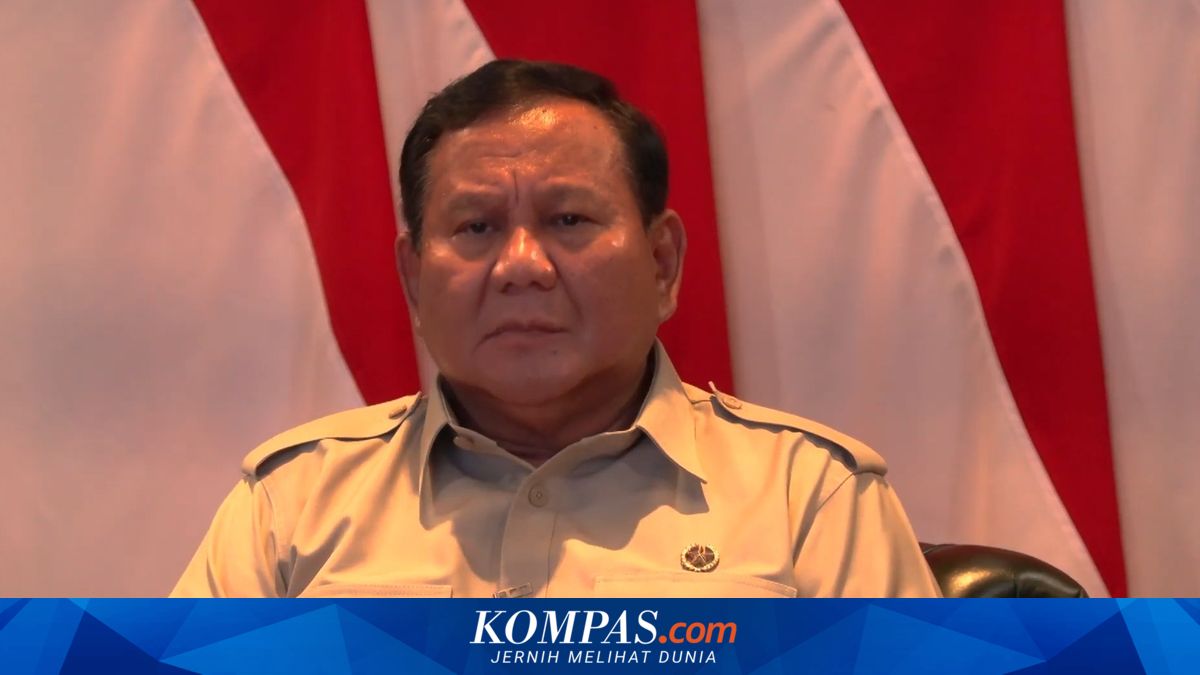
JAKARTA - President Prabowo Subianto has emphasised that the Makan Bergizi Gratis (MBG) programme will continue despite facing budgetary pressures and criticisms regarding its on-the-ground implementation.
The programme is regarded as a long-term investment to improve the quality of Indonesia’s human resources, particularly in reducing stunting rates and strengthening the foundation for future generations.
“I will hold on as much as possible. Rather than funds being corrupted, it’s better if my people can eat,” Prabowo stated firmly during a discussion with journalists and experts, as quoted from a release by the Indonesian Communication Agency (Bakom) on Sunday (22/3/2026).
“Don’t you see the stunted children? I see them. I’ve campaigned so many times, in the villages, I see them. How old are you? 11 years old. But the body is like a 4-year-old. I am convinced I am on the right path. We have the money,” Prabowo said.
Prabowo views the MBG programme as having broad economic impacts through job creation in various sectors, from production kitchens to the food supply chain.
“At its peak, MBG will have 31,000 kitchens. Let’s say, for simplicity, 30,000 kitchens. Each kitchen employs 50 people. That’s already 1.5 million jobs,” he said.
He detailed that each Satuan Pelayanan Pemenuhan Gizi (SPPG) or MBG kitchen can create 5–10 supplier vendors for food ingredients per kitchen.
Regarding various criticisms and field findings, the President acknowledged remaining shortcomings in the programme’s implementation, but the government has taken firm steps to enforce regulations.
“There are over a thousand (kitchens) that we’ve already closed,” he revealed.
The President stressed that the programme’s funding does not come from new debt, but from efficiencies and reductions in state budget leakages.
The President added that this policy is part of efforts to ensure that economic benefits are truly felt by the wider community, especially lower-income groups who have not fully enjoyed development outcomes thus far.
“A large part of our people have gone too long without enjoying the benefits of our economy,” Prabowo concluded.