
Prabowo Inaugurates VKTR Magelang Factory, Producing Electric Buses and Trucks
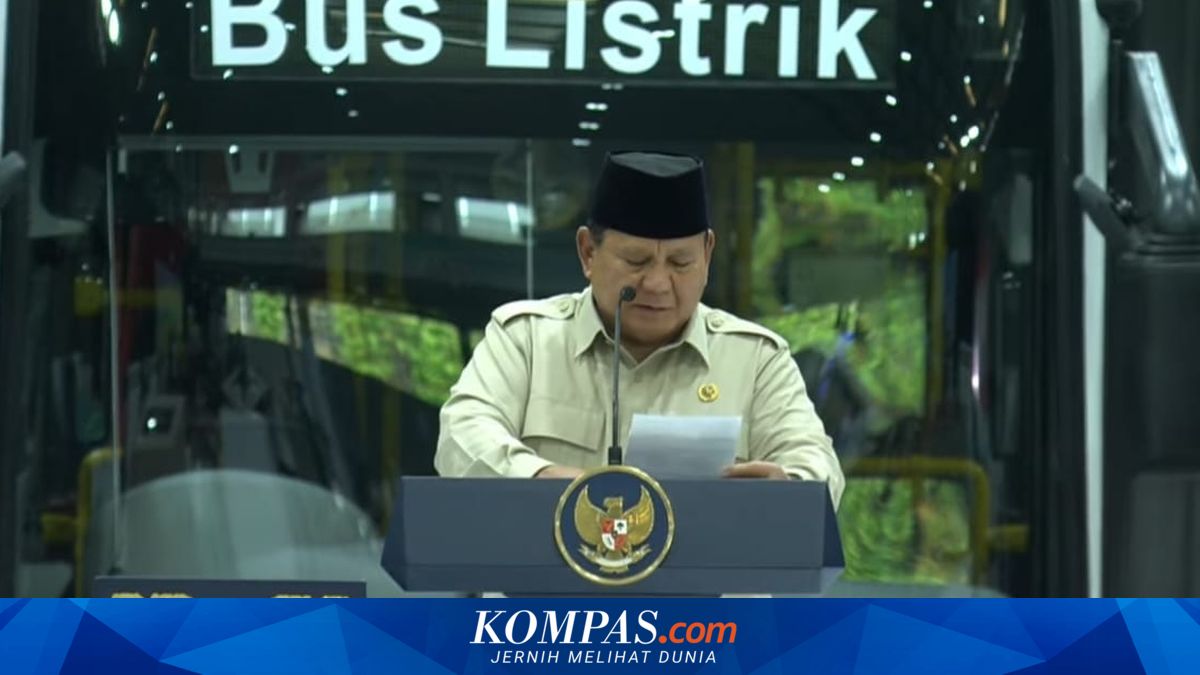
JAKARTA, KOMPAS.com – President of the Republic of Indonesia Prabowo Subianto inaugurated VKTR’s commercial electric vehicle assembly facility in Magelang, Central Java, on Thursday (9/4/2026). During the inauguration, Prabowo inspected the production line directly, from large electric buses and minibuses to electric trucks prepared for public transportation and logistics needs. This inauguration marks the initial step in strengthening the national electric vehicle industry in the commercial segment. President Prabowo described this facility as an important milestone in the national industrial transformation. He assessed that the development of electric vehicles is not only related to technology but also part of a major effort towards energy independence. “Energy is one of the fields that is very determining. We must move towards clean energy, renewable energy, and one of the steps is electrification, no longer relying too much on fossil fuel-based petroleum,” Prabowo stated in his speech, as quoted from the Presidential Secretariat’s YouTube. He also emphasised that Indonesia must be independent in strategic sectors, including energy and industry. Prabowo revealed that VKTR’s current production capacity is claimed to reach up to 10,000 electric bus units. In addition, the domestic component level (TKDN) is said to have reached around 40 percent, targeted to increase to 60 percent in the next two years, and 80 percent in the subsequent stage. “I hope this becomes our national champion. If other countries have big brands, we must have them too. We want the domestic industry to rise and stand on its own feet,” Prabowo said. Previously, Anindya Bakrie, representing VKTR, stated that the development of commercial electric vehicles is based on two main objectives: supporting decarbonisation towards net zero emissions and strengthening economic independence, particularly in reducing dependence on imported fuel oil (BBM). He is optimistic that the development of electric buses and trucks can become the main driver of the electric vehicle ecosystem in Indonesia.