
Prabowo: If World War III Breaks Out, Indonesia Among the Safest Countries
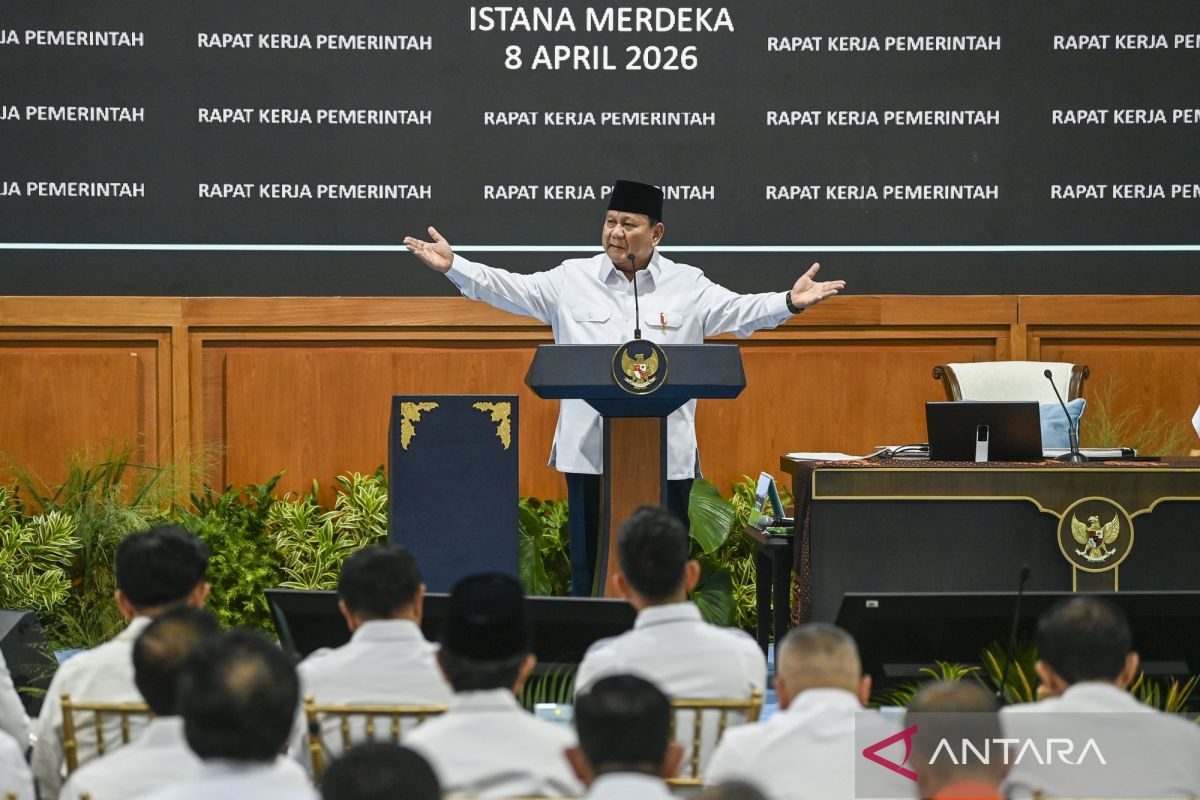
Jakarta (ANTARA) - President Prabowo Subianto emphasised that Indonesia is one of the safest countries against all shocks, including if World War III were to occur. He made this statement while briefing all ministers, echelon I officials from ministries and institutions, up to the CEOs of State-Owned Enterprises (BUMN) at the Presidential Palace in Jakarta on Wednesday. “If World War III happens, which country would be safe? Indonesia is in the top ranks, you know. Now, if you go to Bali, see how many Russians are there, how many Ukrainians are there,” Prabowo said. According to the President, Indonesia’s safety from war is reflected in the large number of Russian and Ukrainian residents choosing to live in Bali amid the conflict in their home countries. He even assessed that, to protect foreign nationals trapped in wars, Indonesia plans to establish a Special Financial Centre. The aim is to provide a hub for travellers to invest, with attractive tax incentives and lighter regulations. The President mentioned that the Chairman of the National Economic Council (DEN), Luhut Binsar Pandjaitan, suggested building this special financial centre in Bali, a consideration discussed several years ago. It is hoped that with this zone, investments will flow in from countries currently in states of war. For example, from the Middle East region, they could shift to Indonesia, as Indonesia is safe from war. “Now, where does the money in the Middle East want to go? Which country is not at war, tell me now? Indonesia is one of the most sought-after,” he said. Indonesia’s hospitality and domestic economic resilience become attractions for other countries to invest. “So the point is, we have a lot of potential, but this also means we now have to work harder, more meticulously,” he added. Therefore, Prabowo stressed that ministries and institutions must be united to build Indonesia and achieve shared aspirations. “That’s why I gathered this working meeting so that we are one, one language, one work plan. There must be no sectoral thinking, no one department, one ministry, one institution, thinking only about their own institution. We must collaborate,” he said.