
Prabowo Directs Ministers to Study Work-From-Home and Reduced Working Hours to Conserve Fuel
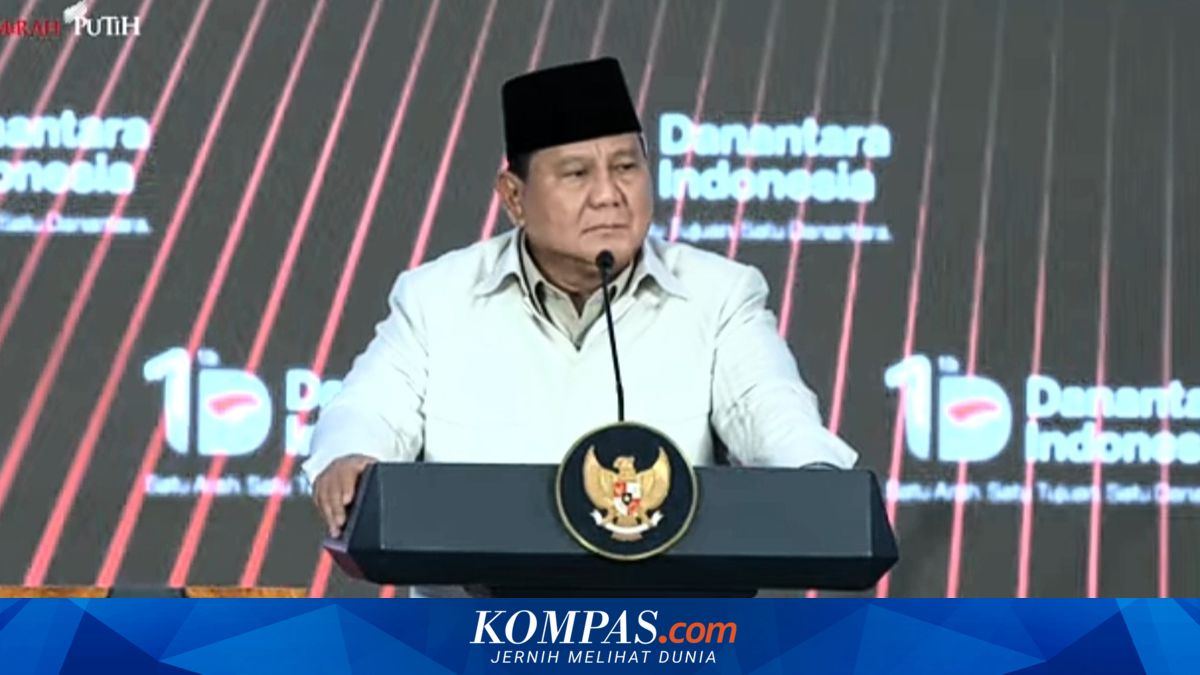
Jakarta — President Prabowo Subianto has directed his ministers to assess scenarios for implementing work-from-home and reducing working hours to curtail fuel consumption as a precautionary measure.
The directive was issued during a Full Cabinet Session at the State Palace on Friday, 13 March 2026. “We are fortunate that we are secure, but we must also endeavour to reduce our fuel consumption,” Prabowo stated.
Prabowo indicated that such scenarios need to be evaluated as insurance against potential economic crisis resulting from conflict in the Middle East, which could drive up oil prices. Increases in energy commodity prices would affect multiple sectors, including food prices.
“But of course, we must also take proactive steps now,” Prabowo said.
The former Defence Minister cited Pakistan’s approach to the current situation, which Pakistan views as critical. Pakistan’s measures include reducing salaries for state officials and parliamentarians, curtailing fuel consumption and ministerial vehicle use, implementing work-from-home arrangements, and reducing working days.
According to Prabowo, Indonesia has previously navigated crises successfully, most notably during the COVID-19 pandemic, which triggered global economic and health crises. “We managed COVID, and we succeeded. We were able to work efficiently from home in large numbers. This means we saved fuel in very substantial quantities,” the President remarked.
“We must not panic, but we also cannot afford to be complacent,” Prabowo emphasised.
The Middle Eastern conflict between Iran and Israel, involving American involvement, has disrupted shipping through the Strait of Hormuz, a critical trade route for petroleum commodities from Gulf states, which supply global oil markets.
Consequently, global crude oil prices have surged sharply from approximately $60 per barrel to about $115 per barrel. According to Trading Economics data, WTI crude oil currently stands at $98.71 per barrel.
The government’s state budget assumes crude oil purchases at $70 per barrel. The increase in global crude oil prices consequently threatens to inflate the national budget.