
Prabowo Cuts Unproductive Budgets to Close Corruption Loopholes
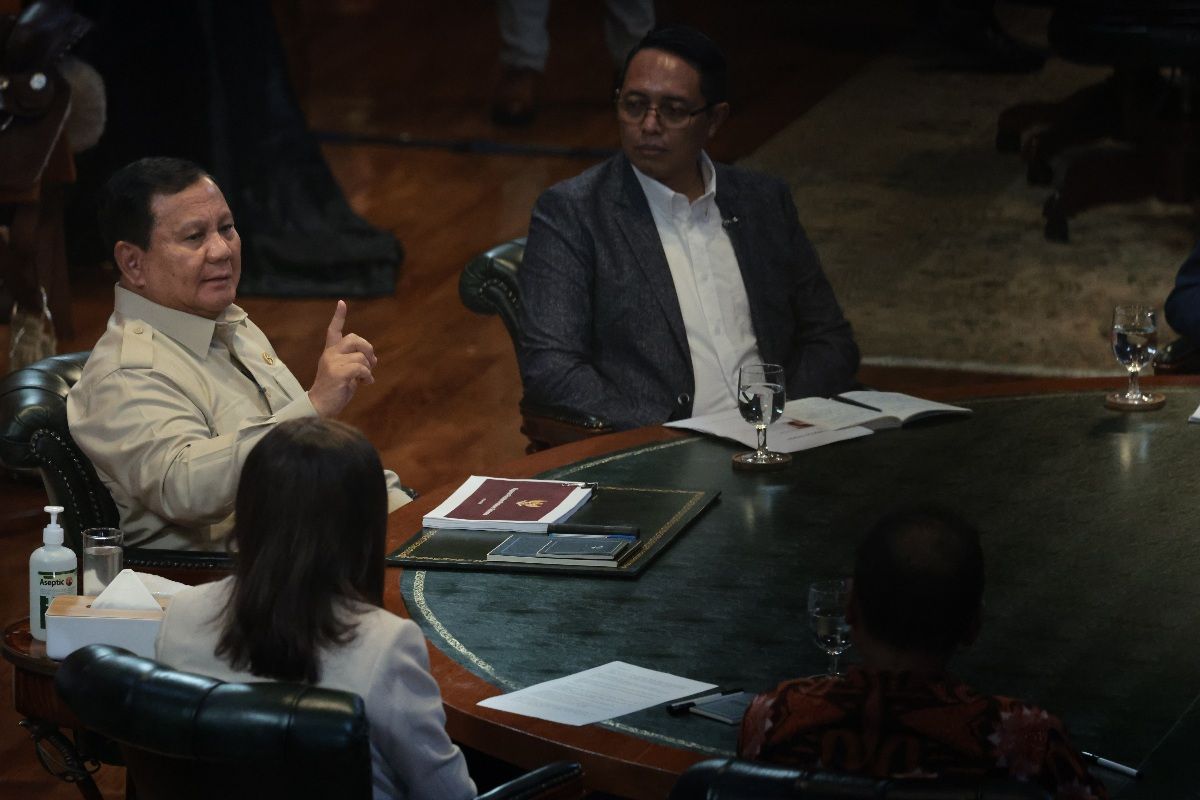
Jakarta (ANTARA) - President Prabowo Subianto explained the rationale for cutting state spending budgets in ministries and agencies deemed unproductive to close loopholes for deviations in APBN usage.
“When we first implemented efficiency measures, we saved Rp308 trillion from the central government. Where did that come from? From all sorts of questionable expenditures. I am convinced that this entire Rp308 trillion, if not cut, would head towards corruption,” said President Prabowo in a video received by ANTARA from the Presidential Secretariat’s Press Bureau, in Jakarta, on Thursday.
The Head of State explained that the Rp308 trillion savings resulted from the initial review of central spending.
According to him, if those funds were left without oversight and cuts, they would burden the state finances without providing real benefits to the public.
The President also highlighted Indonesia’s Incremental Capital Output Ratio (ICOR) economic indicator at 6.5, far higher than neighbouring countries.
This high figure indicates inefficiencies of around 30 per cent, equivalent to $75 billion from the total APBN approaching Rp3,700 trillion.
Several budget items targeted for cuts include ceremonial costs, office stationery purchases, and expenditures for meetings and seminars outside the office. The President views these activities as often failing to address core issues like poverty alleviation and job creation.
Additionally, the government spotlighted the habit of routine procurements such as computers and office equipment conducted almost every year.
Prabowo emphasised that efficiency in non-essential routine spending still offers vast savings potential for government agencies.
In facing potential crises, the President also proposed new work patterns to reduce the state’s operational burden. Schemes like reducing workdays or implementing work from home (WFH) are under consideration for most employees.
“I see other countries, for example, reducing workdays from five to four, like in the Philippines and Pakistan. Then work from home. During COVID, we did it quite successfully. I think we can do that too. Perhaps 75 per cent of employees or civil servants can work from home,” stated President Prabowo.