
Prabowo Cites Countries Cutting Officials' Salaries Due to Middle East Conflict
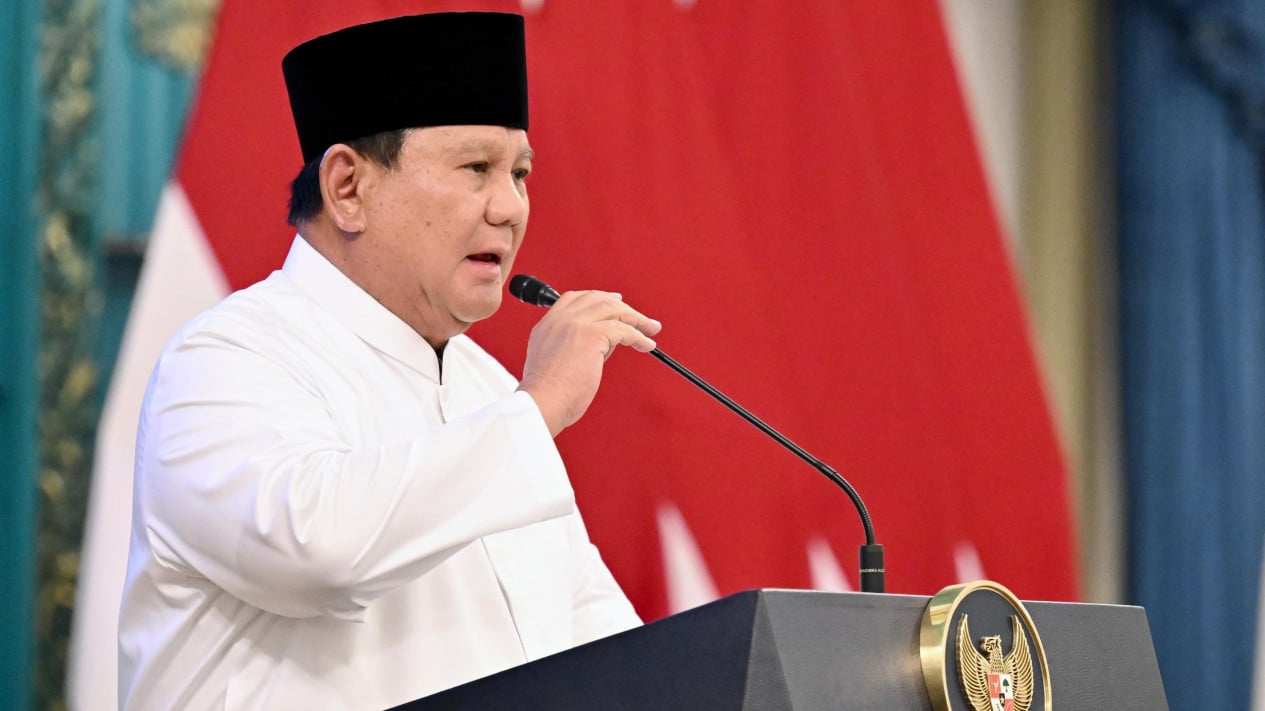
President Prabowo Subianto has stated that many countries are implementing various austerity measures to counteract anticipated oil price surges stemming from conflict between the United States and Israel with Iran.
Prabowo specifically cited Pakistan as having adopted several cost-saving policies, including salary reductions for government officials. He made these remarks during a full cabinet session at the State Palace in Jakarta on Friday, 13 March 2026.
According to Prabowo, Pakistan views the current situation as a crisis comparable to the COVID-19 pandemic. In response, Pakistan has implemented remote working arrangements for 50 per cent of staff across government and private sector offices. Additionally, Pakistan has reduced the working week to four days.
“They have even reduced salaries for cabinet members, parliamentary members, and all these salary savings are collected to help the most vulnerable groups,” Prabowo said.
The Pakistani government has also halted procurement of various government facilities, including official vehicles, air conditioning systems, and office equipment. International official travel has been restricted as part of budgetary conservation efforts, and government funds have been prohibited from financing official parties.
“Then all their higher education institutions have moved online. All schools have stopped for two weeks, perhaps with Eid al-Fitr in mind,” he added.
Prabowo characterised Pakistan’s measures as examples of austerity strategies that can be implemented to anticipate oil price increases from the Iran conflict. He instructed his administration to examine various cost-saving options.
“I believe we too must undertake savings efforts. I am confident that in 2-3 years we will be very strong, but we must still conserve consumption. In doing so, we hope to ensure our deficit does not increase. Our ideal is, if possible, to have no deficit at all,” he said.
According to Prabowo, implementing remote work arrangements as deployed during the COVID-19 pandemic can significantly reduce fuel consumption and government spending.
“For example, if civil servants and officials do not need to come to the office, it reduces traffic congestion and achieves substantial savings. We must also consider reducing working days and implementing other cost-saving measures,” he concluded.