
Prabowo and Indian PM Visit Prambanan Temple, Launching Conservation Partnership
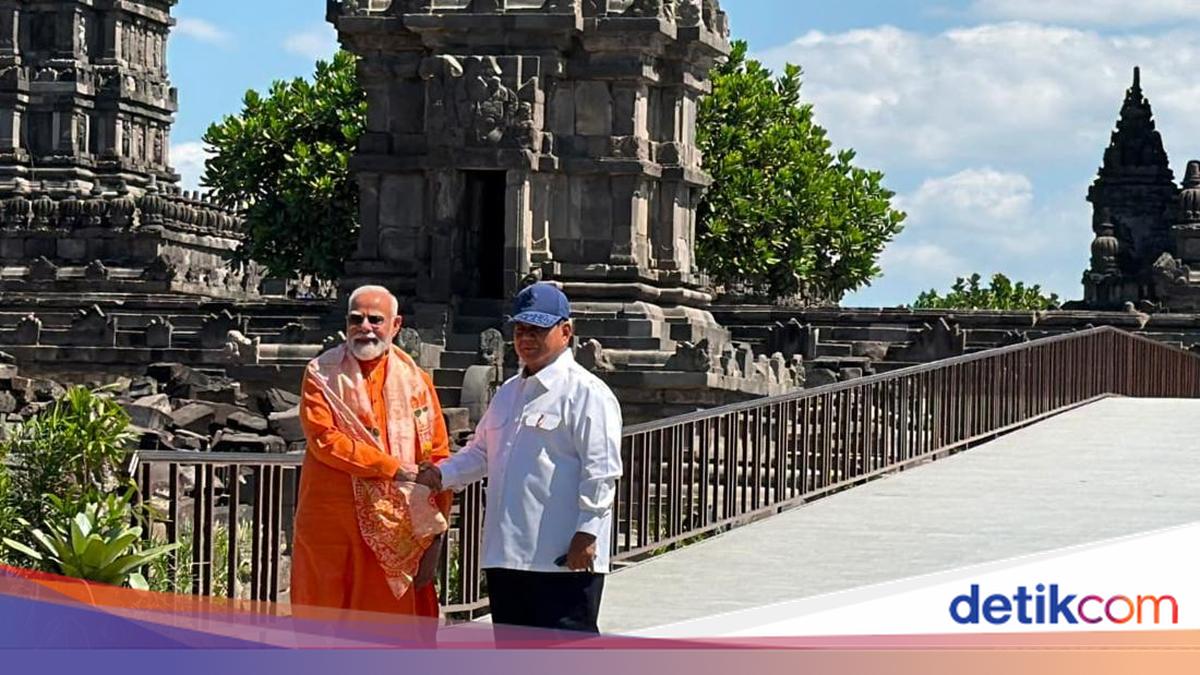
President Prabowo Subianto accompanied Indian Prime Minister Narendra Modi on his inaugural visit to the Prambanan Temple Complex on Wednesday (8/7/2026). The visit signalled the commencement of a collaboration between Indonesia and India to revitalise the largest Hindu temple in Indonesia.
Prabowo and Narendra Modi arrived at the Prambanan Temple area at approximately 11.45 WIB. The arrival of the two leaders was greeted by a traditional Ramayana dance performance accompanied by gamelan music as part of the official welcoming ceremony.
The series of activities continued with a presentation on the conservation project for the UNESCO World Heritage site and the inauguration of a cooperation inscription. Afterwards, Prabowo and Modi captured the moment through a joint photo session, symbolising the close cultural ties between Indonesia and India.
During the visit, Prabowo and Narendra Modi also toured the temple complex using a boogie car. Both visited several structures within the Prambanan complex, including the Nandi and Siswa temples, while listening to explanations about the history and significance of the area. While at the Shiva Temple, Narendra Modi also participated in a Shinta Pooja prayer procession.
The visit, themed ‘World Leaders Journey’, also marked the achievement of an agreement between the two countries to implement a revitalisation programme for the Prambanan Temple Complex. The agreement will be realised through a partnership titled ‘Indonesia-India Collaborative Cultural Heritage Conservation’. The long-term restoration programme is scheduled to last for a decade, from 2026 to 2036, focusing on the restoration of more than 200 perwara temples in the second courtyard, most of which currently remain in ruins.
Through this collaboration, Indonesia and India are targeting improvements in the physical conservation quality of the site, strengthening of scientific documentation, enhancement of cultural heritage area management, development of cultural cooperation, and the exchange of knowledge and expertise in archaeology between the two countries.