
Prabowo Allocates Rp 839 Billion to Build Steel Fence at Way Kambas National Park
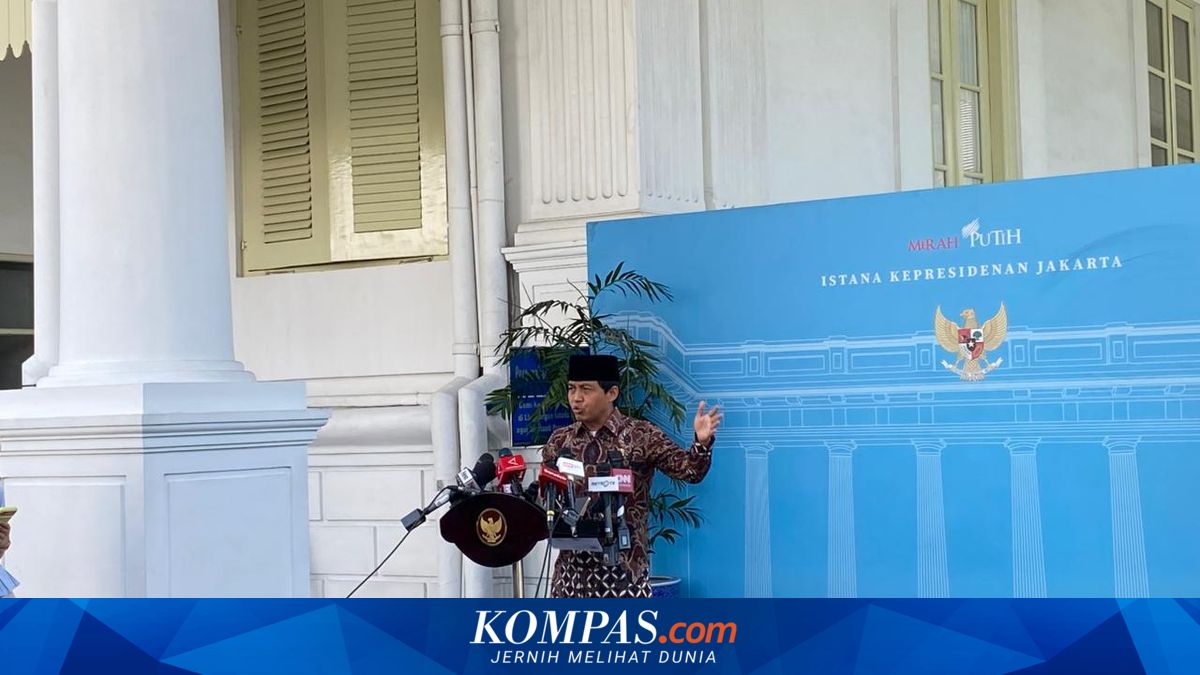
JAKARTA — The Minister of Forestry Raja Juli Antoni announced that President Prabowo Subianto has approved an allocation of Rp 839 billion from presidential aid funds to construct a massive steel fence at Way Kambas National Park in Lampung.
The minister stated that the amount was finalised following a detailed study of the initial commitment of Rp 2 trillion that the President had announced during his meeting with King Charles III in London, England.
“In London, the President stated that a maximum of Rp 2 trillion would be allocated for the fence and embankment at Way Kambas as well as ecosystem restoration,” Raja Juli said at the Presidential Palace Complex in Jakarta on Thursday (12 March 2026). “However, after studying and implementing efficiency measures, it turns out approximately Rp 839 billion is sufficient,” he added.
The project addresses a critical issue: human-wildlife conflict that has persisted for decades in the region. This conflict has resulted in tragic incidents, including the death of a village chief who was trampled by an elephant in recent months. Protected elephants, seeking passage and transit through villages and agricultural areas, have been the source of ongoing conflict with local communities.
“There has been annual conflict between elephants and humans for many years at Way Kambas in Lampung, with incidents occurring for decades,” Raja Juli explained.
The project is currently in the pilot testing and comprehensive study phase, informed by experiences in Africa, the United States, and India in managing national parks. The TNI Engineering Battalion will be involved in the construction process.
“We will cooperate with the Engineering Battalion—specifically the Regional Military Command Engineering Unit at Raden Inten in Lampung. Way Kambas has a total delineation of approximately 176 kilometres, but preliminary studies indicate that fencing or embankments are needed for approximately 130 kilometres,” Raja Juli stated.
He further noted that in other areas where fencing already exists, the park serves as a centre for beekeeping, which protects the natural environment, wildlife, and grass cultivation for livestock feed, whilst simultaneously supporting community development.