
Prabowo Allocates 839 Billion Rupiah to Reduce Human-Elephant Conflict at Way Kambas
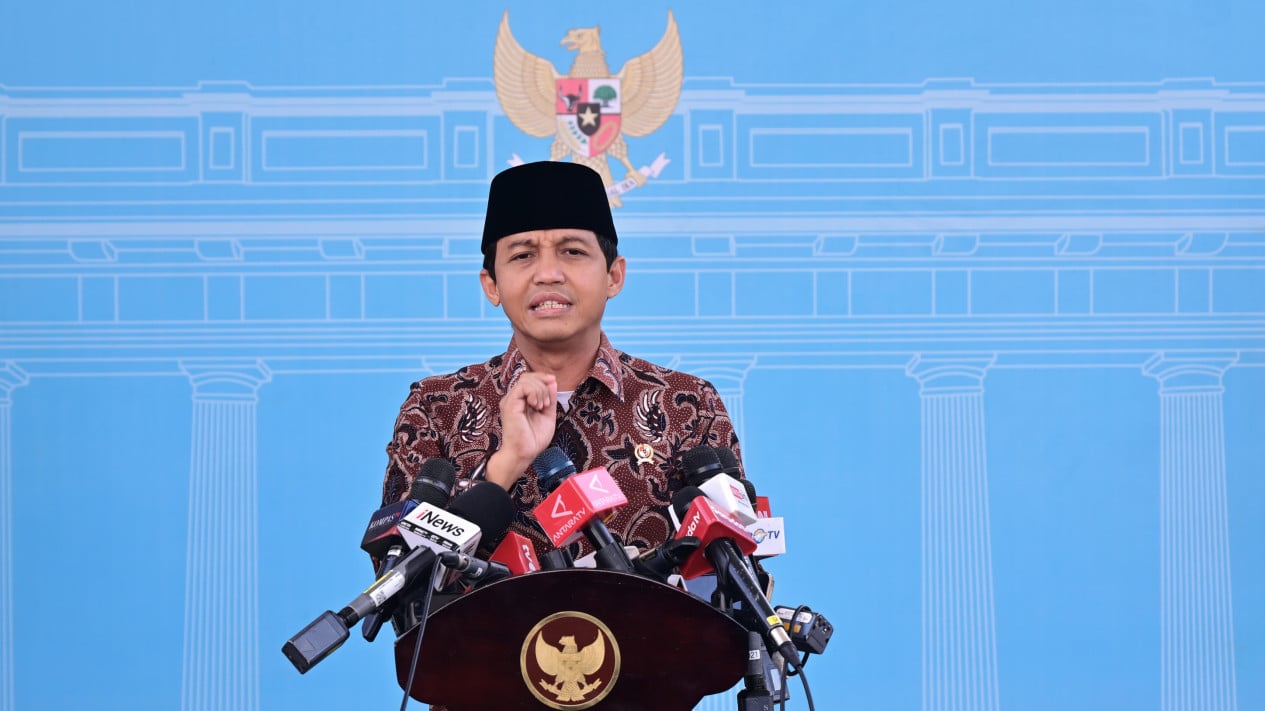
President Prabowo Subianto has allocated a budget of up to 839 billion rupiah for constructing fences and embankments around Way Kambas National Park in Lampung Province as an effort to address the long-standing conflict between elephants and humans in the region.
The policy was announced by Minister of Forestry Raja Juli Antoni following a limited meeting chaired by President Prabowo at the Presidential Palace complex in Jakarta on Thursday, 12 March 2026.
“Several months ago, a village head was trampled by an elephant as the elephant attempted to enter or cross villages, residential areas, and agricultural land, resulting in the death of one village head,” said Raja Juli Antoni to journalists.
He stated that the construction plan represents a direct directive from President Prabowo Subianto to protect wildlife whilst enhancing public safety in the area surrounding the national park.
According to Raja Juli, the President had previously indicated that funding for the project could reach a maximum of 2 trillion rupiah. However, following technical assessments and efficiency measures, the budget requirement was estimated at approximately 839 billion rupiah.
“In London, the President had stated that a maximum of 2 trillion rupiah would be allocated for fences and embankments at Way Kambas, alongside ecosystem restoration. However, after conducting studies and efficiency measures, the maximum requirement appears to be approximately 839 billion rupiah,” he said.
He explained that the construction of fences and embankments is designed to prevent elephants from leaving the conservation area and entering residential areas and agricultural land.
Raja Juli stated that the government is currently conducting pilot tests of fence and embankment designs by studying experiences from several countries, including African nations and India, in managing wildlife conservation areas.
Beyond serving as a boundary marker, the infrastructure is also planned as part of a community empowerment programme. In several locations, the areas surrounding the fences will be utilised for economic activities such as honey bee cultivation.
“In this way, nature is preserved, wildlife is protected, and it also contributes positively to the economic growth of the local community,” said Raja Juli.