
Prabowo Affirms Downstreaming as Priority Despite US Agreement
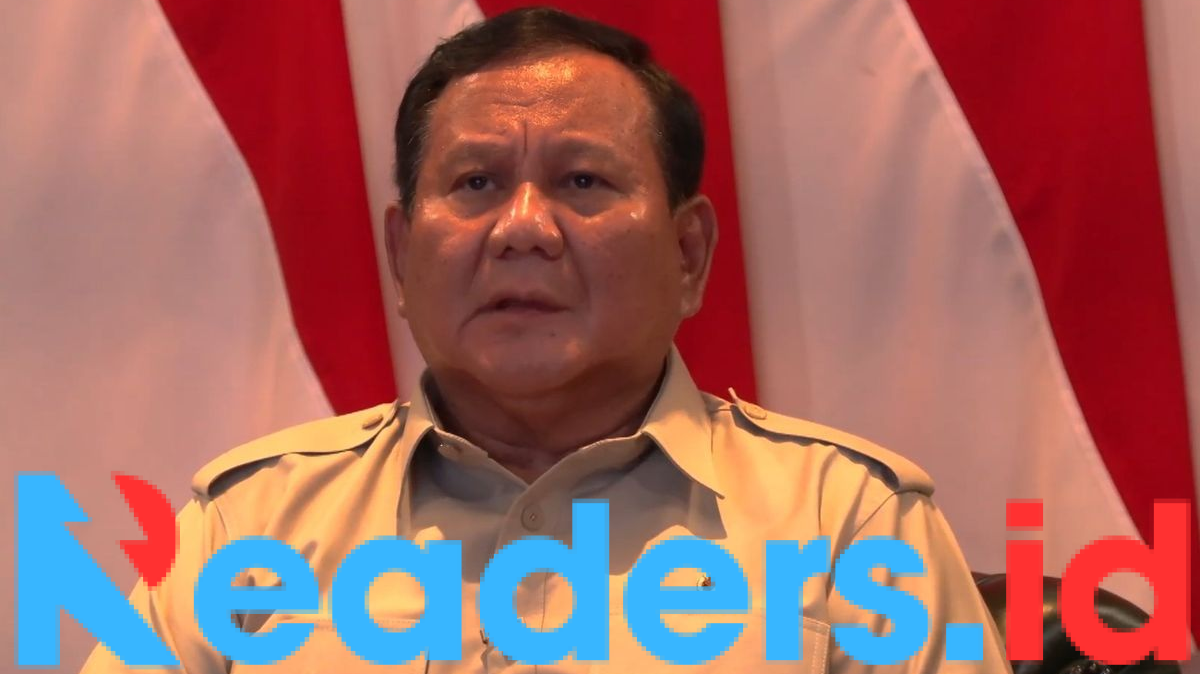
President Prabowo Subianto has affirmed that the government’s downstream processing policy remains the top priority. This statement comes despite Indonesia having signed a reciprocal tariff agreement with the United States (US). Quoting Money, Prabowo stated that Indonesia is open to investment cooperation, including in the mining sector, but based on the principle of fair economic value.
Prabowo emphasised that foreign involvement in the mining sector is permitted as long as it provides optimal economic benefits for Indonesia. He cited the presence of foreign mining companies like Freeport, which have made significant contributions to state revenues.
“Critical minerals, I have already said we are open, but everything at market price, at economic price,” said Prabowo, as quoted from Kompas TV on Sunday (22/3/2026).
Nevertheless, Prabowo stressed that downstream processing remains the primary condition in managing natural resources. He requested that raw materials be processed domestically. According to him, if foreign companies wish to conduct mining and processing in Indonesia, this is still permitted.
Prabowo also highlighted the importance of Indonesia obtaining economic value from the utilisation of natural resources, whether managed by foreign or domestic parties. He stated that the key is for Indonesia to gain access and international market prices.
For information, Indonesia and the US signed the Agreement on Reciprocal Trade (ART) in February 2026. This agreement provides zero per cent tariff facilities for 1,819 Indonesian products, including flagship commodities such as palm oil, coffee, cocoa, and electronic components. On the other hand, Indonesia is also reducing tariffs for more than 99 per cent of US-origin products. This agreement is encouraging US investments worth $7 billion to $9 billion, focused on building smelters, electric vehicle battery factories, and other industrial facilities.
The government affirms that it will not export raw critical minerals despite opening investment opportunities. This is a form of consistency in implementing the downstream processing policy to increase added value and national economic competitiveness.