
Prabowo Adds New Defence Capabilities, Analyst Warns Malacca Strait Could Be Hormuz-ised
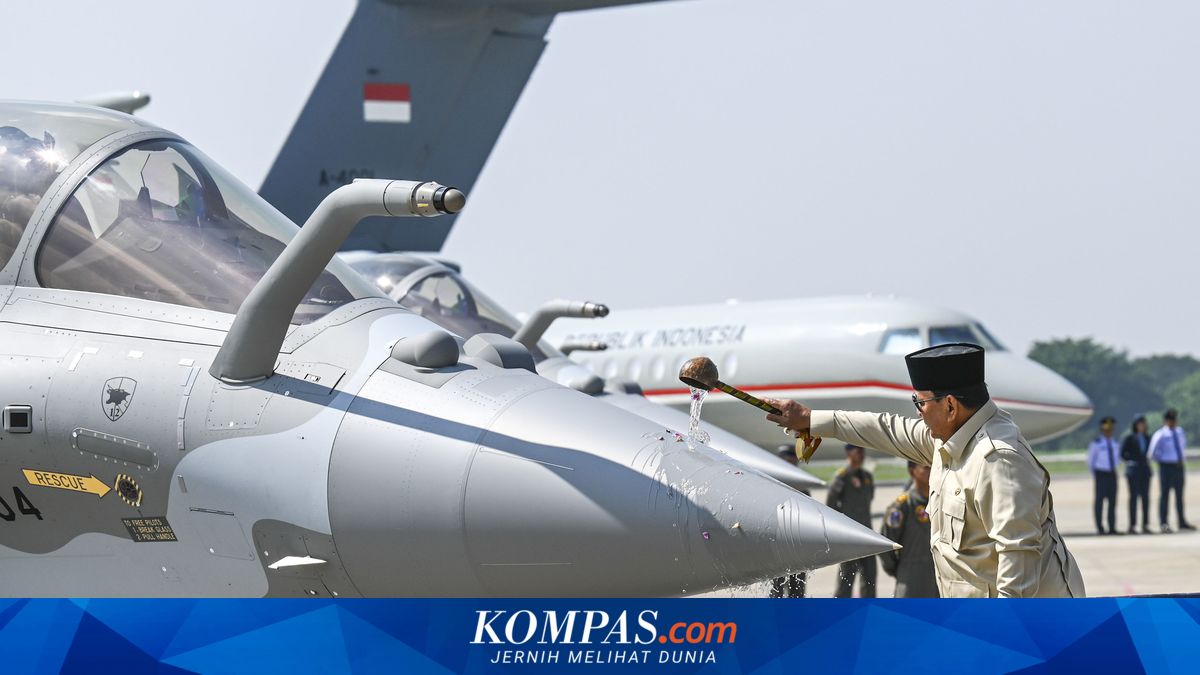
JAKARTA, KOMPAS.com - Military analyst Connie Rahakundini Bakrie said President Prabowo Subianto is bringing in a number of new defence assets because the world’s strategic shipping lanes, or sea lines of communication (SLOCs), are expected to become flashpoints in global power competition in the future. She noted that the Strait of Malacca could become a strategically sensitive area subject to geopolitical pressure similar to the Strait of Hormuz in the Middle East because it is a major channel for global trade and energy distribution. “The reason is the United States’ latest defence white paper, which she says envisions controlling the world’s SLOCs. So the Malacca Strait could be Hormuz-ised—that is very possible,” Connie told Kompas.com on Tuesday, 19 May 2026. However, she cautioned that the next challenge is not merely purchasing new defence assets but ensuring the entire defence system can be integrated. “We must not end up with advanced platforms but fail to build an ecosystem for warfare capability,” she said. Connie said Indonesian defence strengthening must also be tailored to Indonesia’s geographical character as an archipelagic nation. “We must be confident that Indonesia’s greatest threats in the future will come from pressure on sea routes, chokepoints, and the use of SLOCs. Remember, Malacca is more powerful than Hormuz,” she said. Regarding the air arm, the professor of Saint Petersburg University assessed that Indonesia needs to build an integrated air defence system, not merely increase the number of fighter jets. The requirements include AEW&C aircraft, additional tanker aircraft, long-range drones, electronic warfare systems, an integrated national radar, and strengthening air bases. “Indonesia is a vast country. The main challenges are response time and battlespace awareness,” said Connie. In addition to conventional forces, Connie also highlighted the importance of strengthening cyber defence. According to her, modern warfare today can begin without firing a shot, but through attacks on communications, navigation, electricity, financial data, and the spread of disinformation.