
PPPK Conversion to PNS: Civil Service Aspirations and Regulatory Constraints
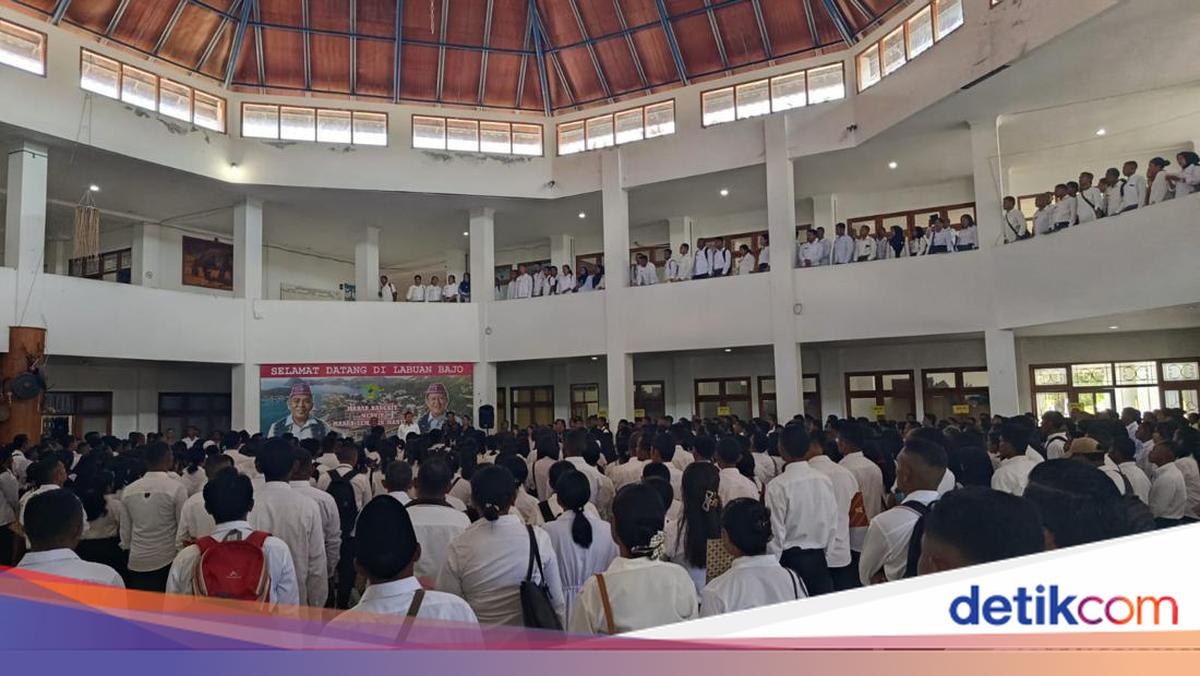
The employment status issue affecting Indonesia’s civil service apparatus (ASN) has resurfaced as a contentious topic on social media and in public discourse. The focus this time is on demands from contractual government employees (Pegawai Pemerintah dengan Perjanjian Kerja, PPPK) for conversion to permanent civil servant (Pegawai Negeri Sipil, PNS) status.
Thousands of PPPK workers who have served for years hope to secure status equivalent to PNS. However, the government has reaffirmed that direct conversion cannot occur without adherence to standard recruitment mechanisms.
The Root Problem: Status Uncertainty
The conversion demand has emerged alongside rising numbers of PPPK employed across various ministries and government agencies. Unlike PNS employees who hold permanent positions, PPPK workers are employed under fixed-term contracts.
For many PPPK employees, this uncertainty creates psychological and financial strain. They feel they have served faithfully, yet benefits such as pension guarantees and career stability remain far below PNS standards.
This situation has prompted aspirations among PPPK staff for clearer certainty regarding employment status and career sustainability within the civil service system.
Government Position: No Direct Conversion
In response, the Ministry of State Apparatus Empowerment and Bureaucratic Reform (Kemenpan RB) has clarified that no direct conversion policy exists from PPPK to PNS.
The government explains that the path to PNS status for PPPK employees remains through the open Civil Service Candidate (CPNS) selection process. However, certain allowances are provided, such as recognition of service tenure for promotion advancement if subsequently accepted as PNS.
Budgetary and Legal Challenges
PPPK conversion demands are often viewed as reasonable within civil service policy discourse. However, implementation is considered complex due to potential policy consequences.
Mass PPPK conversion to PNS could significantly impact the state budget, particularly regarding salary burdens and pension obligations. Additionally, such policy risks conflicting with meritocracy principles in the civil service system, where positions should be filled based on competence and qualifications, not merely tenure.
On the other hand, this dynamic also indicates that the current civil service system requires reassessment. Rather than focusing on employment status changes, policy attention could be directed toward strengthening welfare, career security, and workplace protection for PPPK without altering their legal status.
Public Expectations and Future Direction
Amid regulatory debates, the public hopes the government will provide fair solutions. Many PPPK employees feel the current system burdens them with annual contract renewal administration.
Several proposals have emerged in public discourse:
Extended Contracts: Convert the annual contract system to longer-term contracts (for example, five-year terms) to reduce administrative burden.
Pension Rights: Provide pension guarantee access for long-serving PPPK employees, even if not PNS.
Expedited Selection: Accelerate CPNS recruitment processes for qualifying PPPK employees.
The PPPK-to-PNS conversion issue reflects the civil service’s desire for security and welfare. However, the government must maintain adherence to applicable regulations for fiscal sustainability.
The optimal solution may not lie in status conversion but rather in improving the civil service system’s quality to be fairer for both employee categories. The public now awaits concrete government measures to address these concerns without compromising meritocracy principles.