
PP Tunas restricts social media access for children under 16, doctor reveals medical reasons
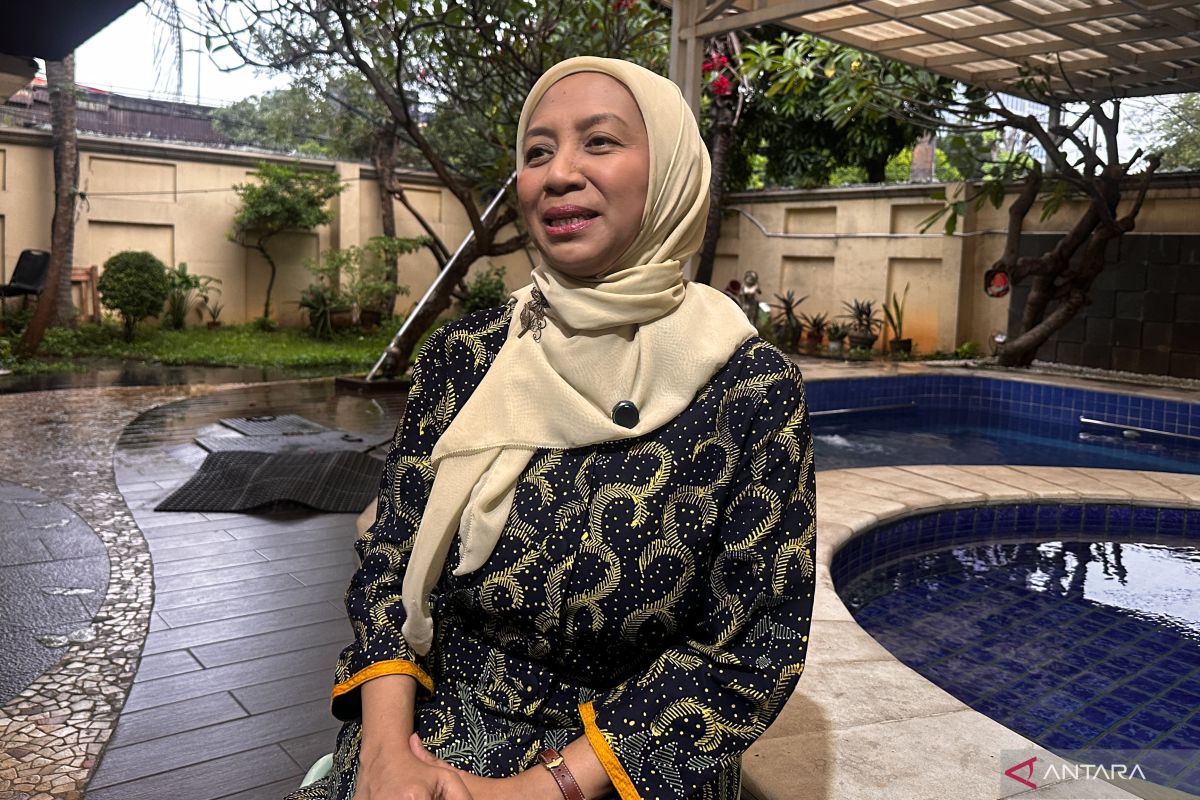
Jakarta (ANTARA) - Indonesia is currently under the spotlight from various countries with the enforcement of Government Regulation (PP) Number 17 of 2025 on the Governance of Electronic Systems in Child Protection (PP Tunas), which restricts social media access for children under the age of 16. This regulation is considered appropriate for protecting children and their future development. So, why does this regulation rigidly limit social media access for children under 16? Paediatrician and Expert in Social Paediatric Development, Dr. dr. Bernie Medise Endiyani, assesses that this age limit is scientifically relevant because it directly relates to the stages of a child’s brain development. The doctor, who is also the Chair of the Public Relations and Member Welfare Division of the Indonesian Paediatricians Association (IDAI), explains that at this age, children should be learning about their surroundings, listening, including getting to know their family. However, this is being replaced by one-way stimulation, in this case, consuming social media content. In this phase, Bernie continues, the part of the brain called the prefrontal cortex is developing, which functions in decision-making, judging right and wrong, and self-control. However, this part actually only develops optimally in the early 20s. Thus, the role of social media at that age has the potential to disrupt if not properly restricted. This condition, according to her, forms the important basis for limiting access to high-risk digital content, including social media, until the age of 16. “At a younger age, children are considered not yet fully able to distinguish right from wrong, and understand whether certain content is real or not,” said Bernie. She also highlights the impact of early gadget use that can disrupt child development. Excessive use has the potential to cause speech delays, two-way communication disorders, to behavioural changes such as becoming less responsive. “As a result, children can appear more indifferent. If called, they don’t look back, it takes several times. Then, their two-way communication skills are also delayed. Many children also experience sleep disturbances,” said Bernie. These disorders, according to Bernie, have the potential to result in decreased school performance, cause anxiety disorders, and dependency is often found. In older children, other risks such as cyberbullying and child grooming also become serious threats. “PP Tunas is the answer we have been waiting for quite a long time, because we know that the use of gadgets, social media or online games, may have positive sides, but also many negative sides,” said Bernie.