
PP Tunas establishes age classification system for children in digital spaces
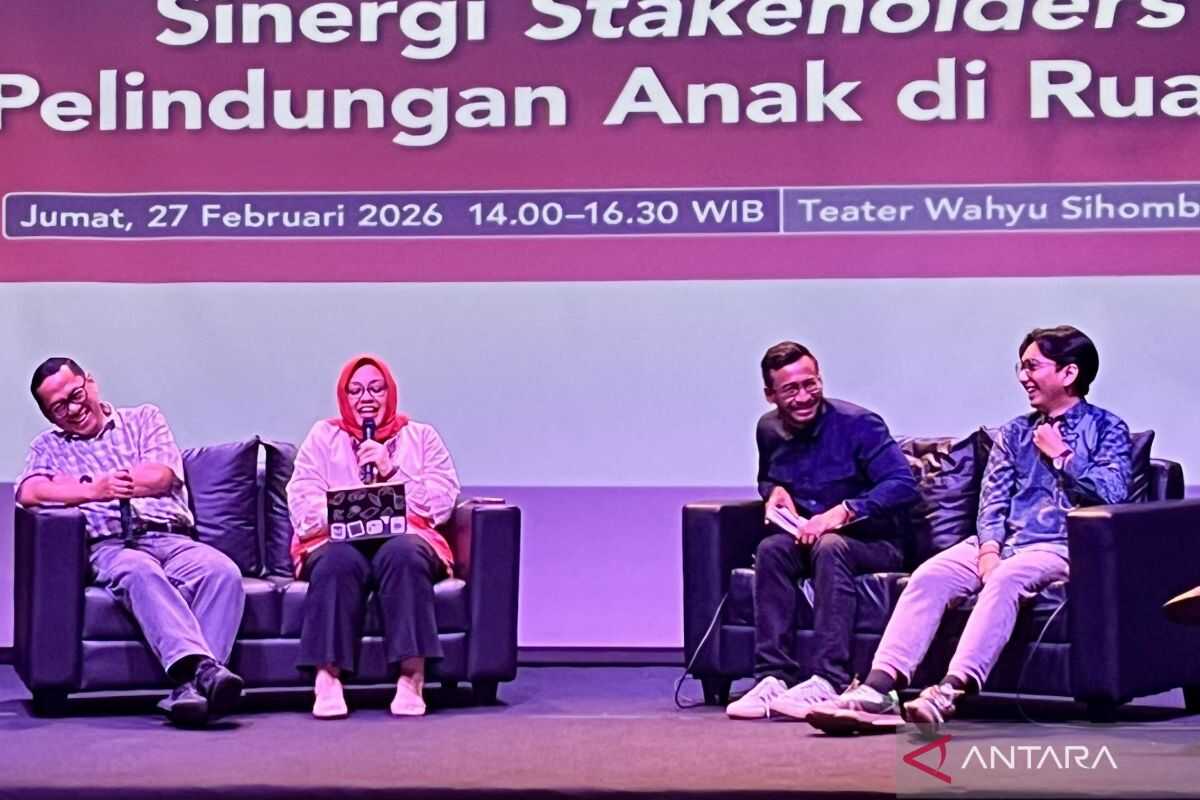
Jakarta – Indonesia’s Ministry of Communication and Digital Affairs has confirmed that Government Regulation Number 17 of 2025 concerning the Governance of Electronic System Operations in Child Protection, known as PP Tunas, establishes a detailed age classification system for children accessing digital spaces.
Mediodecci Lustarini, Secretary of the Directorate General for Digital Space Supervision at the Ministry of Communication and Digital Affairs, stated that the regulation is based on the different developmental characteristics of children in each age group.
“PP Tunas limits regulations for children under 18 years old. Above 18 years, they are no longer covered under child protection provisions,” Lustarini said during a discussion held by the Center for Indonesian Policy Studies (CIPS) titled “Stakeholder Synergy in Child Protection in Digital Spaces” at Teater Wahyu Sihombing, Taman Ismail Marzuki, Jakarta, on Friday.
She explained that the regulation does not include children under three years old in the digital access classification, in line with global guidelines recommending that children aged two to three years should not have access to digital devices.
PP Tunas establishes age classifications starting from three to six years old, six to nine years old, ten to 12 years old, 13 to 15 years old, and 16 to 18 years old.
According to Lustarini, the division considers children’s cognitive and emotional development stages. Children aged three to six years, for example, are still developing imagination and lack the ability to process complex information, requiring strict supervision when accessing digital spaces.
“Children do not yet have the ability to regulate impulses or understand the long-term impacts of digital content exposure. This is why age-based regulations are necessary,” she said.
She emphasised that the age classification serves as the basis for digital platforms in determining protection features appropriate to the characteristics of child users.
This approach, she added, operates through a risk-based scheme, whereby electronic system operators are obliged to assess the potential impact of products, services, and features on children before launching them to the public.