
Potential Global Food Crisis Looms if Strait of Hormuz Remains Closed
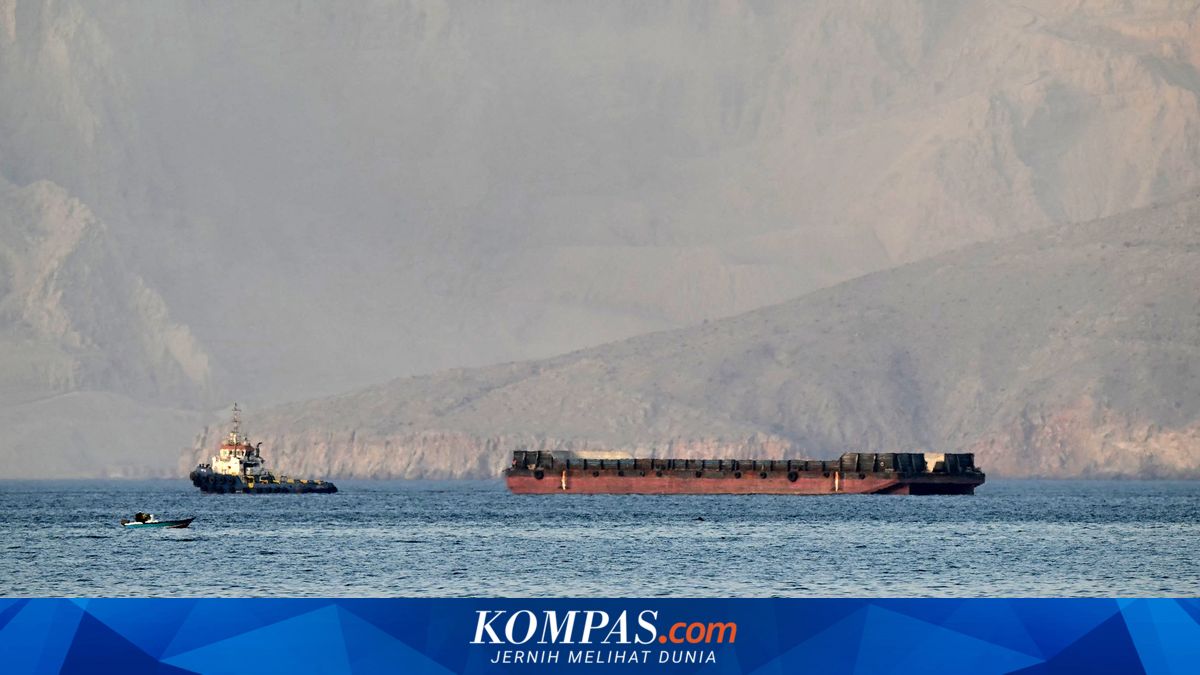
The United Nations Food and Agriculture Organisation (FAO) has warned that if the Strait of Hormuz remains closed until the end of the year, it could trigger a global food crisis.
“The last thing we want is lower crop yields and higher commodity prices as well as food inflation for next year,” explained FAO Chief Economist Maximo Torero, quoted from ntd.com on Monday (13/6/2026).
The majority of the world’s oil, natural gas, and fertiliser supplies pass through the Strait of Hormuz.
“The risk is very clear. If we do not accelerate… the risk will become even more severe,” he stated.
The most severe impact from the shortage of fertiliser supplies will be on poor countries.
They will not receive fertiliser to support their agriculture, making the threat of a food crisis more frightening than the lack of oil.
The United States has also decided to blockade the strait after failing to reach an agreement with Iran.
The United States began blockading the Strait of Hormuz as of 13 April 2026.
This is intended to increase pressure on Iran to soften and open the narrow waterway.
He warned the Iranian navy to stay away from the US carrier strike group in the Arabian Gulf, and if they violate the set boundaries, firm action will be taken.
Trump revealed that Iran actually agreed to many things during negotiations with the United States in Pakistan last week.
However, Tehran did not agree to the point regarding the cessation of uranium enrichment for producing nuclear weapons.
Meanwhile, Iranian Parliament Speaker Mohammad Bagher Ghalibaf, through a post on his X account @mb_ghalibaf on Monday (13/4/2026), emphasised that he is not afraid of the US sea blockade.
“Enjoy the current petrol prices. With what is called a ‘blockade’, soon you will miss petrol prices of 4-5 US dollars per litre,” he tweeted.
Tensions continue to simmer in the Strait of Hormuz with no signs of abating.