
Potential Escalation of Conflict Becomes Reason for China's Veto of UN Security Council Draft Resolution
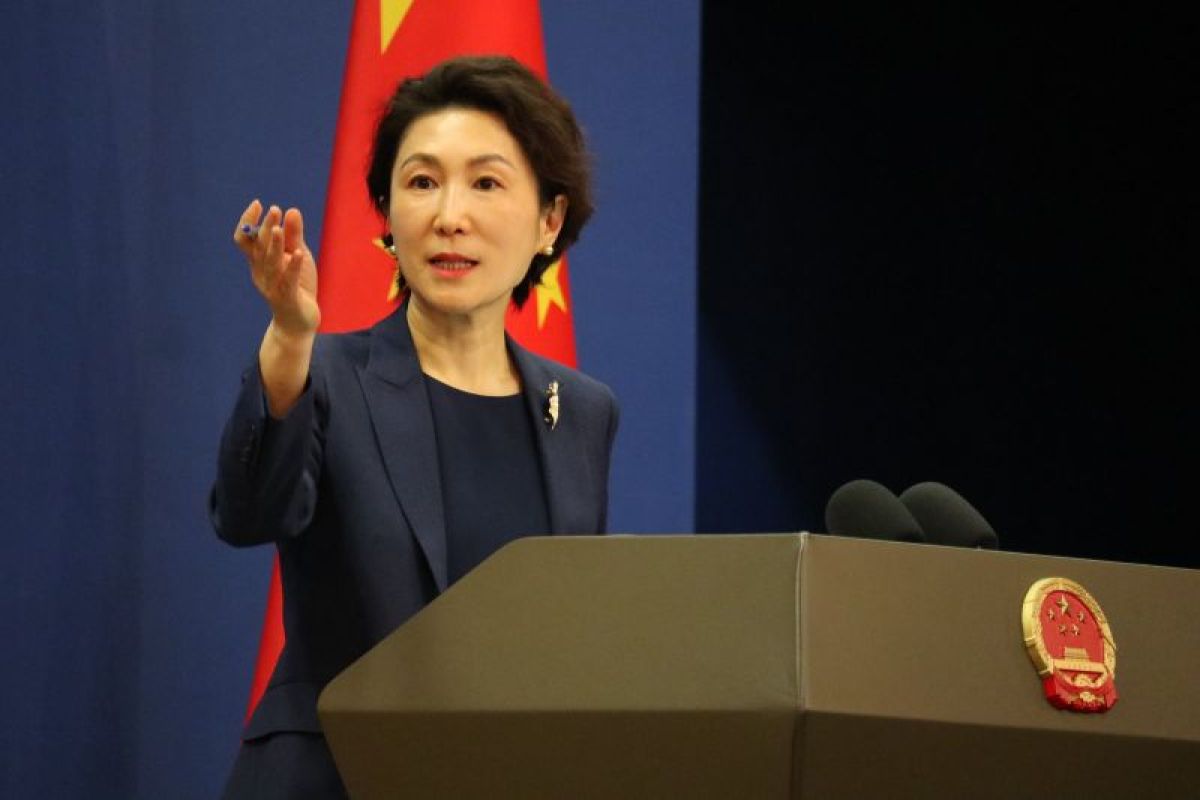
Beijing (ANTARA) - China’s Ministry of Foreign Affairs has explained its veto of the UN Security Council draft resolution on the Strait of Hormuz submitted by Bahrain, deeming the move risky for triggering conflict escalation.
“The main cause of disruptions in the Strait of Hormuz is the illegal US and Israeli military operations against Iran. The Council’s actions must not legitimise the use of force, let alone exacerbate the situation,” said Spokesperson for China’s Ministry of Foreign Affairs Mao Ning during a press conference in Beijing on Wednesday.
Russia and China vetoed the draft in a vote on Tuesday (7/4). Eleven UN Security Council members voted in favour, two against, and two abstained, including Pakistan, which has acted as a mediator between the US and Iran.
The draft’s wording had also been softened, from originally permitting offensive force to only defensive actions to open shipping routes. Bahrain is the only Arab League member on the UN Security Council and holds the Council presidency this month.
“China affirms that the sovereignty, security, and territorial integrity of Gulf countries must be fully respected, and the safety of shipping lanes and energy infrastructure must be protected,” Mao Ning stated.
According to him, the fundamental solution to ensuring maritime security in the Strait of Hormuz is to promptly end the conflict.
“The Council’s actions must de-escalate the situation, not provide a legal basis for unlawful military operations,” he stressed.
Mao stated that China’s position in the vote is objective and impartial, and will be judged by history.
He added that China and Russia have circulated a counter-draft resolution emphasising de-escalation, dialogue, and respect for freedom of navigation.
According to Mao, the draft also reflects the aspirations of the international community.
“China is ready to work with all parties to promote de-escalation and restore stability in the Strait of Hormuz and the Middle East region,” he said.
He also assessed that the current global energy crisis is triggered by the Iran conflict, while reaffirming China’s rejection of unilateral sanctions without a basis in international law.
“The Strait of Hormuz is a vital global trade route. Maintaining its stability is a common interest,” he said.
Iran is known to have restricted oil transit since the conflict with the US and Israel broke out on 28 February 2026, triggering a surge in global energy prices.
Iran’s parliament has also approved a draft regulation that includes levying transit fees in rials, bans on US and Israeli ships, and restrictions on countries imposing sanctions against Iran.