
Poso Peace Mediator Ustad Adnan Arsal Passes Away
Palu (ANTARA) -
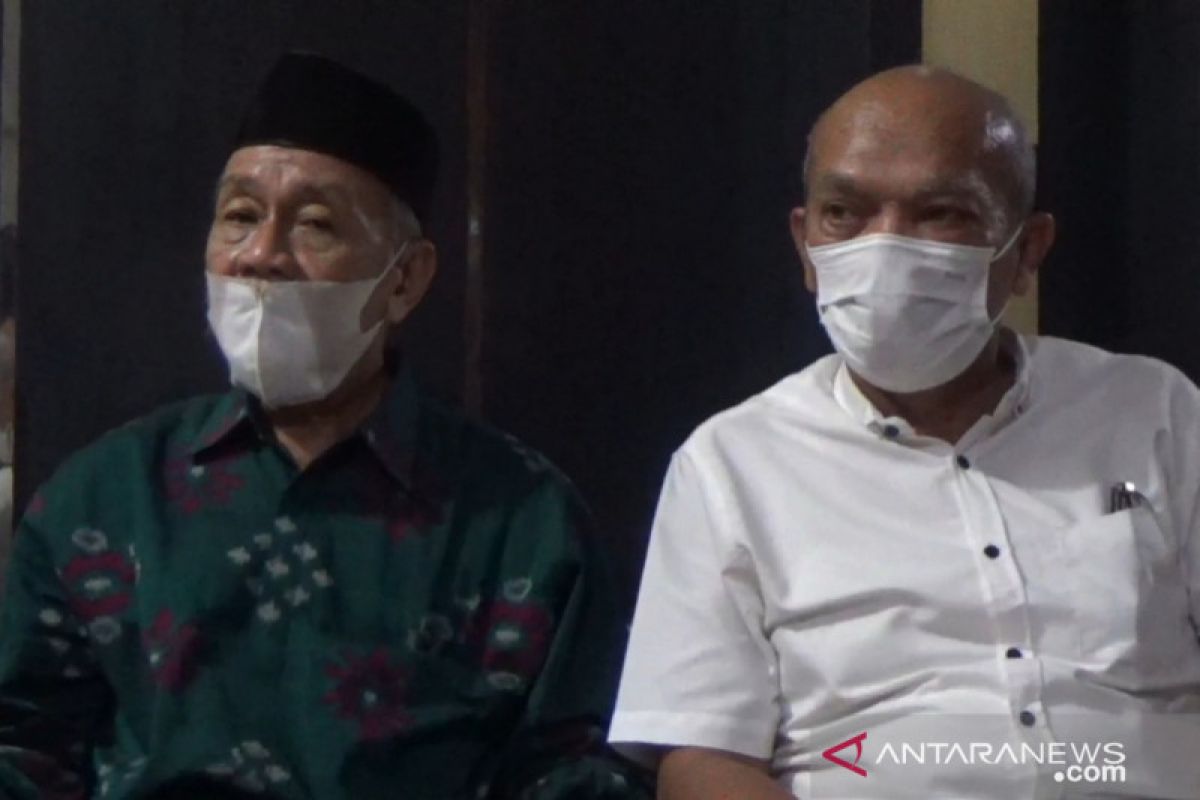
The Islamic religious figure KH Muhammad Adnan Arsal, or Ustad Adnan Arsal, passed away on Friday at around 6:30 PM WITA in Poso, Central Sulawesi.
“Innalillahi wainnailaihi raji’un, by the permission of Allah and returning peacefully, our father, parent, and teacher KH Muhammad Adnan Arsal has returned to his Lord,” said Yusrin Ichtiawan, Chairman of the Yayasan Wakaf Amanatul Ummah (YWAU) Poso.
He also expressed jazakumullah khairan for all the prayers and support from various parties during Ustad Adnan’s treatment due to illness.
Ustad Adnan was known as a peace mediator in the Poso conflict. His struggle is chronicled in the book titled “Muhammad Adnan Arsal: Panglima Damai Poso” by Khoirul Anam, published in 2021.
Post-conflict, Ustad Adnan established YWAU in 2001 as an institution for education, preaching, and social activities centred in Kayamanya, Poso, Central Sulawesi. The foundation focuses on Islamic education, social humanitarian efforts, and economic empowerment of the ummah following the manhaj of Ahlussunnah Wal Jama’ah.
His passing is not merely the loss of a religious figure. For the people of Central Sulawesi, especially Poso, he was a weaver of hope amid the ravages of humanity. His name has long lived in the collective memory as someone who chose the path of peace when many were trapped in cycles of violence.
He was once given the nickname “panglima” (commander). However, the commander in him was not about war. On the contrary, he stood on a different line, rejecting violence as a way out.
“War will not end with the swing of a machete, but must be resolved through dialogue with an open heart,” one message recorded in the book states.
Amid the embers of the prolonged Poso conflict, Poso once witnessed how people faced each other in wounds and anger. Yet, in that situation, Ustad Adnan chose to be a bridge, connecting the disconnected and calming the inflamed.
He did not lead people to attack. If there was resistance, it was solely for defence. Beyond that, he invited people to sit together, open spaces for dialogue, and seek humane solutions.
“This conflict makes us all tired, frustrated, exhausted,” he once said, describing the high cost paid for a dispute.
Therefore, he never tired of calling for one simple yet often ignored thing: dialogue.
“Prioritise dialogue. Conflicts in society can certainly be dialogued. Resolve everything peacefully, no need for violence. That will not solve the conflict,” his message.
Now, that voice is silent. But his traces remain alive in memory, in values, and in the hope for a Poso that continues to maintain peace.