
POPSI Warns Government: Palm Oil Policies Must Consider Farmers
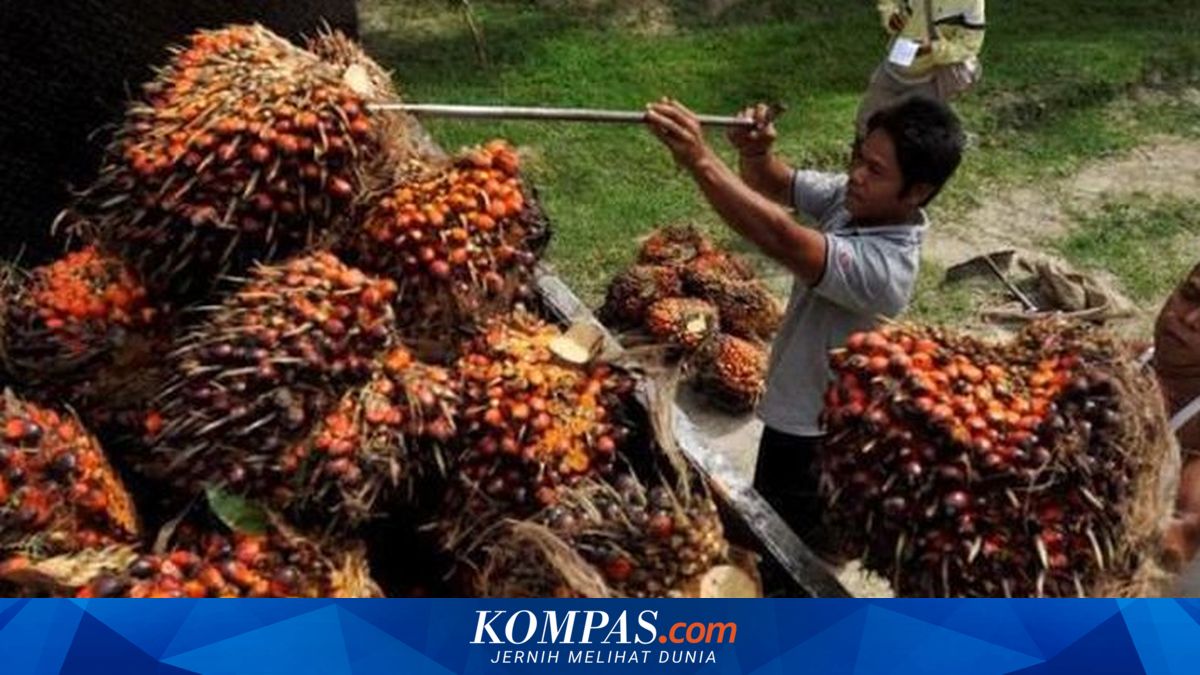
JAKARTA — The Indonesian Palm Oil Farmers Association (POPSI) supports the government’s efforts to close foreign exchange leaks and improve national palm oil trade management. However, the farmers’ organisation warns that new policies, including the proposed single-channel export system, must be carefully designed to avoid disrupting the stability of the palm oil industry ecosystem involving millions of farmers nationwide. POPSI Chairman Mansuetus Darto said farmers understand the importance of boosting foreign exchange earnings and government efforts to combat practices harming state revenue, such as suspected under-invoicing in commodity trading. However, he stressed that palm oil trade policies must consider the impact on the entire industry supply chain, particularly independent farmers who are the main suppliers of domestic palm oil raw materials. Previously, the government established PT Danantara Sumber Daya Indonesia (DSI), a state-owned enterprise (SOE) tasked with improving the management of national strategic commodity exports. DSI will manage and oversee export transactions of natural resources such as coal, crude palm oil (CPO), and ferroalloy. He further noted that the palm oil industry is a complex, interconnected ecosystem spanning farmers, palm oil mills, refineries, traders, exporters, and international buyers. “The direct impact of policies is often not felt first by large industry players but by independent farmers at the upstream end,” he said. Mansuetus revealed that, according to reports from several regions, independent farmers’ fresh fruit bunch (FFB) prices fell cumulatively by around Rp 1,000 to Rp 1,500 per kilogram within two days of the DSI announcement. “This near-50% price drop in the short term has severely impacted independent farmers’ income. We are concerned that if uncertainty persists in the medium to long term, FFB prices could fall below Rp 1,000 per kilogram again, as occurred in 2022,” he added. According to Mansuetus, this situation highlights the palm oil industry’s high sensitivity to downstream uncertainty. When businesses adopt a wait-and-see approach on policy clarity, purchasing and production activities slow down, affecting FFB prices at the farmer level.