
Pope Leo, the Encyclical Magnifica Humanitas, and the Echo of Humanity
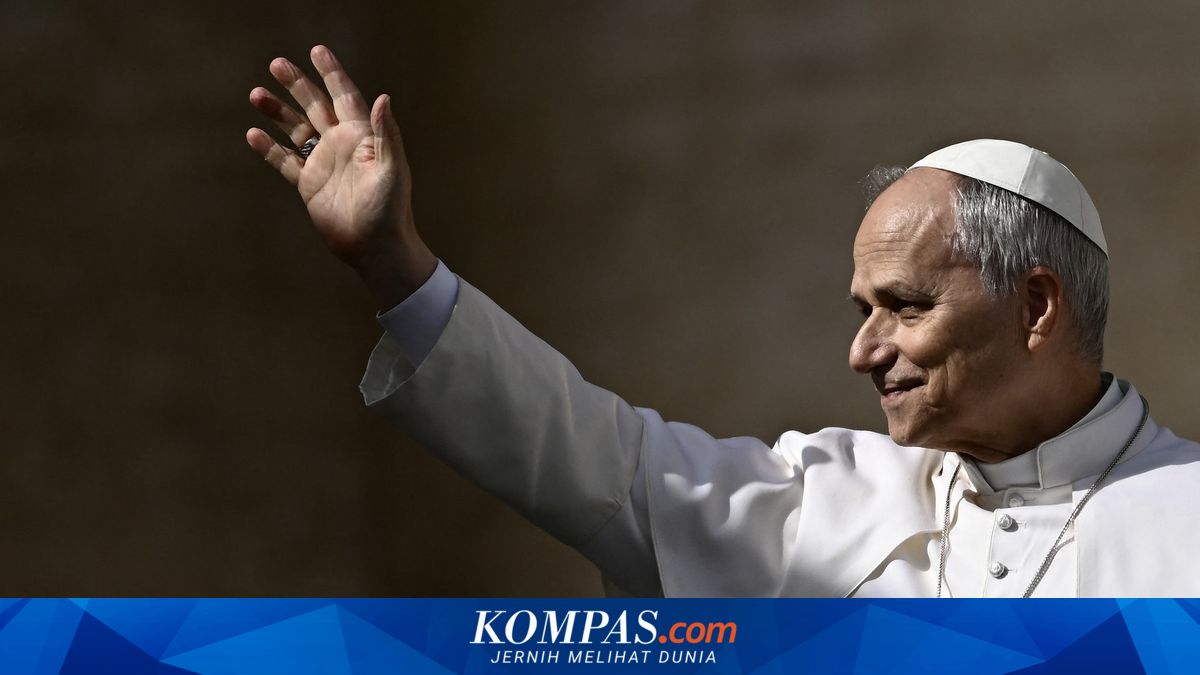
Historically, this article is an opinion column and the opinions expressed reflect the author’s views. Exactly 135 years ago, on 15 May 1891, Pope Leo XIII issued the encyclical Rerum Novarum, which would fundamentally alter the global socio-economic landscape. At that time, the smokestacks of the Industrial Revolution began to seize Europe, creating rigid divides between capital owners and exploited workers. The Catholic Church did not remain silent in the comforts of the sacristy. Consequently, it went down into factories, knocking on the conscience of a world that was growing numb, and proclaiming that man is not merely a cog or a commodity in the hands of capitalism. Today, that history repeats itself with a different echo, yet bearing the same essence of the struggle. From behind the walls of the Vatican, Pope Leo XIV, a successor to the See of Saint Peter from Chicago who is known for his tech-savvy and a background in mathematics, signed his first encyclical. If his predecessor responded to steam engines and the exploitation of workers’ physical labour, Pope Leo XIV responds to the Generative AI revolution that is now redefining what it means to be human. The prophetic document titled Magnifica Humanitas (The Magnificence of Humanity) arrived precisely as the world stood on the cusp of existential disruption. There is deep pastoral and moral anxiety that underpins its creation. The Vatican sees AI as no longer merely a linear tool, but an autonomous power that could threaten humanity’s status as the image of God (Imago Dei). Pope Leo XIV’s internal policy prohibiting pastors from using AI to compose their sermons is a remarkably sharp theological reflection. A sermon, in Christian tradition, is not merely a neatly composed collection of theological words, something that could easily be crafted by an algorithm in seconds. A sermon arises from contemplation, inner struggle, tears, and the intimate face-to-face meeting between shepherd and flock. When AI takes over the pulpit, we are risking the loss of the ‘soul’ and the personal relationship that lies at the heart of faith itself.