
Polri: Satgas Haji's Primary Focus is to Protect Pilgrims from Scams
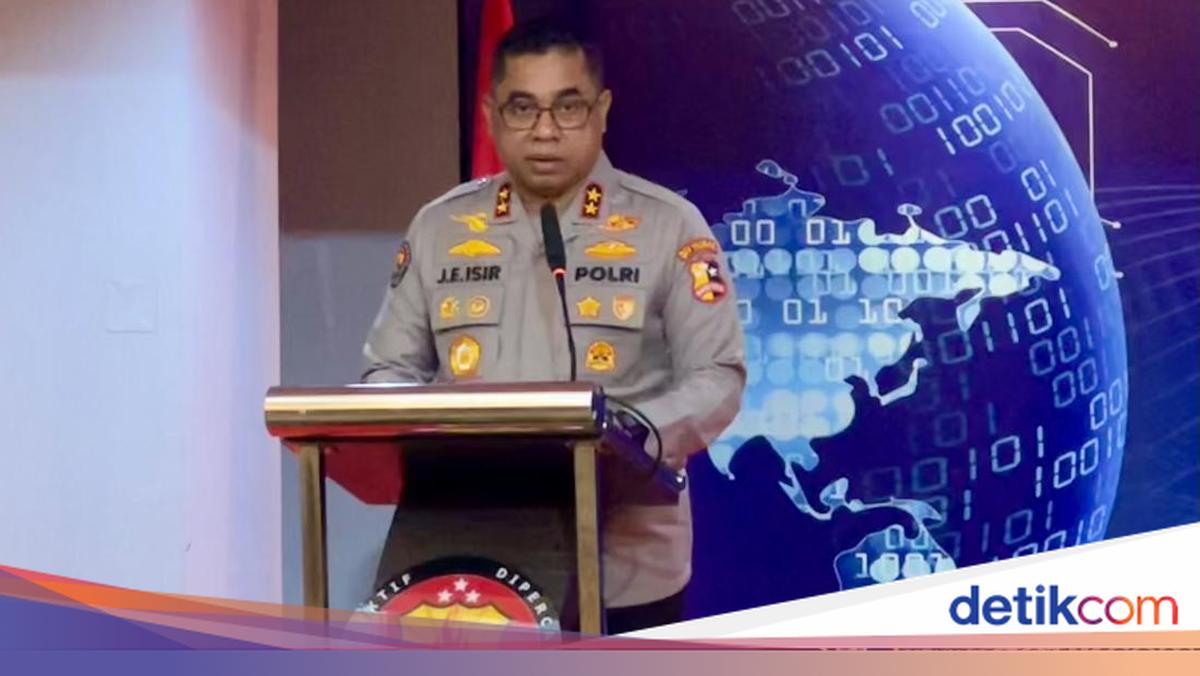
The Indonesian National Police (Polri) has formed the Hajj Task Force to oversee the organisation of the Hajj pilgrimage for Indonesian pilgrims. This task force was established jointly with the Ministry of Hajj and Umrah as an anticipatory measure or to address illegal Hajj practices.
“The primary focus of Polri in the Hajj Task Force is to eradicate illegal Hajj, protect pilgrims from scams, ensure security and order, and uncover networks of rogue travel agencies,” said Polri’s Head of Public Relations Division, Inspector General Johnny Eddizon Isir, to reporters on Wednesday (15/4/2026).
Isir explained that the duties of Polri members in the Hajj Task Force include initial prevention, supervision and prevention, up to law enforcement.
Isir continued that Polri will carry out preemptive, preventive, and repressive functions, or law enforcement, within the task force. For example, in the preemptive function, Polri can educate the public about the dangers of illegal Hajj.
Polri will synergise with the Ministry of Religious Affairs and local governments to socialise official Hajj implementation, including discussions on laws related to fraudulent Hajj travel agencies.
“In the preventive function, Polri conducts supervision of Hajj travel agencies, monitoring legal or illegal travel bureaus, detecting ‘no-queue Hajj’ packages, and gathering intelligence on syndicates,” he explained.
Furthermore, Polri is tasked with securing the departure of pilgrims at embarkation and debarkation points. At this stage, Polri prevents illegal Hajj by thwarting the departure of prospective pilgrims using inappropriate visas in operations ahead of the Hajj season.
“Then, in the repressive function or law enforcement, Polri acts if violations occur. For example, investigations and prosecutions: illegal travel, pilgrim scams, document forgery. Enforcement through arrests of perpetrators, seizure of evidence, and development of networks or syndicates,” he said.
He stated that Polri uses the legal basis of Law No. 8 of 2019 on Hajj and Umrah. They also use provisions from the Criminal Code related to fraud or embezzlement.
Isir added that the numerous methods of conducting the Hajj pilgrimage require serious supervision. The high interest in Hajj is inversely proportional to the limited quota.
Public literacy on departing for Hajj is still minimal. There are also cross-border syndicates and misuse of non-Hajj visas, which need attention.
“Supervision of illegal Hajj is carried out in layers from administration, travel agencies, to airports, while enforcement is carried out firmly both in Indonesia and Saudi Arabia,” he said.