
Polri Partners with Himbara to Shield Farmers from Loan Sharks
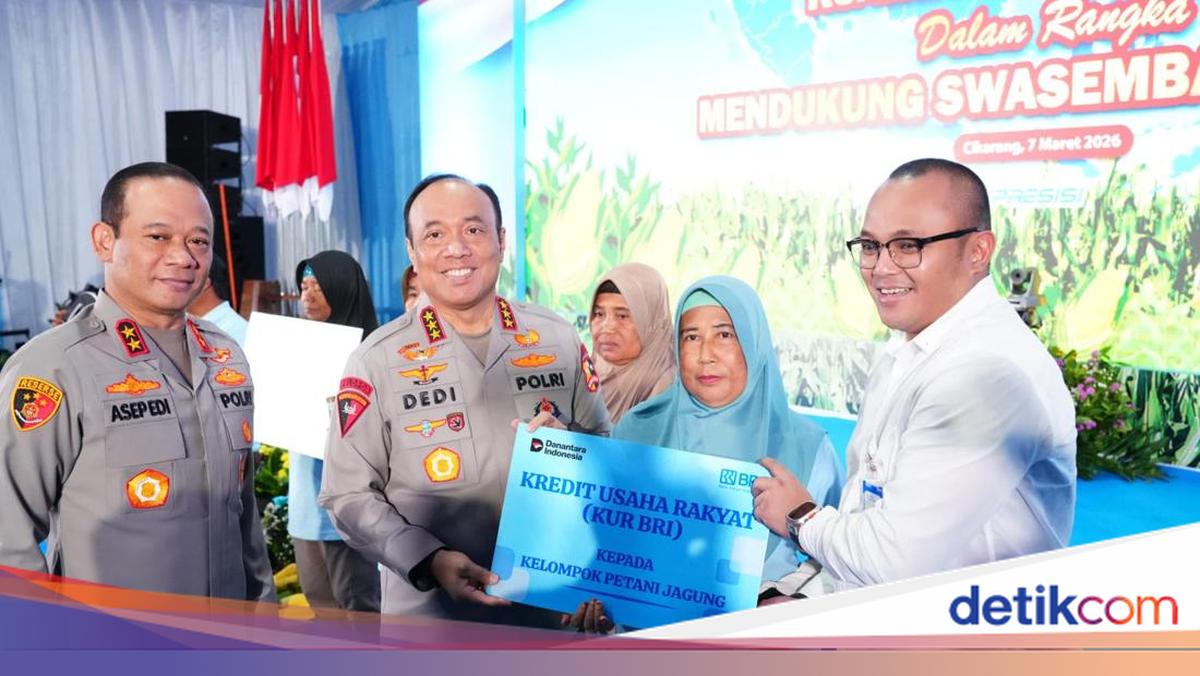
Polri, through the Food Security Task Force, has partnered with the Himpunan Bank Milik Negara (Himbara) to widen access to capital for its enrolled farmers. The aim is to build a healthy agricultural ecosystem while breaking farmers’ dependence on middlemen as well as on high-interest loans from loan sharks.
Wakapolri General Commissioner Dedi Prasetyo said the move is Polri’s concrete commitment to protecting farmers and strengthening national food security. He noted that limited access to capital has long entrapped farmers in debt cycles.
Through cooperation with the Himbara banks — BRI, BNI, Mandiri, and BTN — farmers can now access Kredit Usaha Rakyat (KUR) for the agricultural sector with low interest rates ranging from 3% to 6% per year. The financing scheme is also convenient because it does not require additional collateral, so farmers no longer need to risk personal assets to obtain working capital.
“In 2026, Polri will facilitate direct capital access for farmers via the Himbara banks. The aim is clear: to cut the chain of middlemen and loan shark practices that have burdened farmers, allowing them to farm more calmly and prosperously,” Dedi told reporters on Sunday (8 March 2026).
Beyond strengthening financing access, Polri is also promoting productivity gains through land expansion and the use of agricultural technology. By February 2026, the national maize planting area had reached 135,723 hectares, part of the national development target of up to 1 million hectares to push maize production beyond 4 million tonnes this year.
One concrete example of the programme’s implementation is seen in the West Java Regional Police area. In addition to modernising agricultural machinery, support for enrolled farmers is strengthened through financing access from the Himbara banks.
A total of 215 farmers belonging to 44 farmer groups received assistance in agricultural equipment, including hand tractors, water pumps, and hand sprayers, to improve efficiency and yields. Meanwhile, farmers were facilitated to obtain working capital loans at low interest from Himbara through the Kredit Usaha Rakyat (KUR) scheme, so seed, fertiliser, and other agricultural inputs can be supplied without relying on middlemen or loan sharks.
Polri also ensures the sustainability of farmers’ enterprises through a synergy with Perum Bulog as off-taker. The maize harvest from Polri-supported farmer groups will be absorbed at the Government Purchase Price (HPP), giving farmers market certainty and protecting them from price manipulation by unscrupulous middlemen.
Through an integrated approach spanning financing, modernisation of agricultural technology, and market guarantees, Polri seeks not only to strengthen national food security but also to improve farmers’ welfare.
The programme is expected to enable Indonesian farmers to be more autonomous and self-reliant, and free from the traps of loan sharks and exploitative middlemen.