
Polish Foreign Minister Warns of Economic Impact of 'Polexit' from the European Union
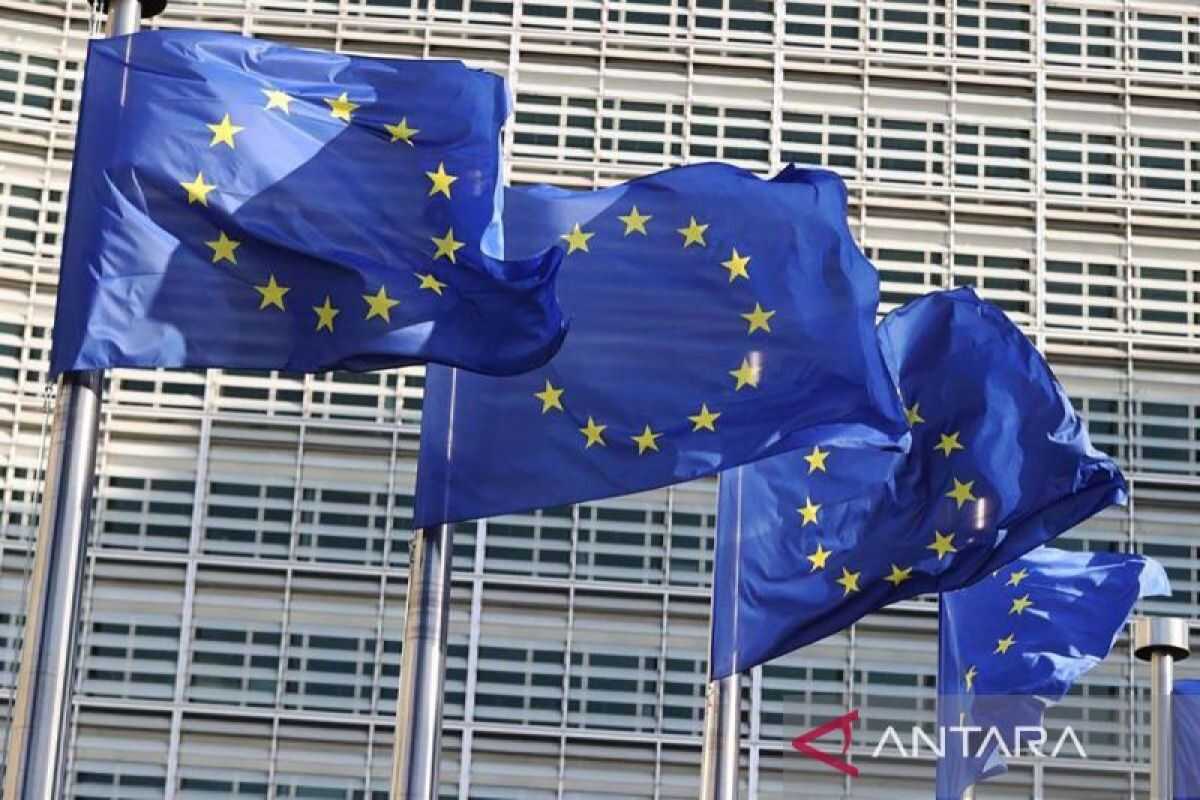
Warsaw (ANTARA) - Polish Foreign Minister Radosław Sikorski, in his annual address to parliament on Thursday, warned that Poland leaving the European Union (EU), or “Polexit,” would put pressure on Poland’s GDP, wages, and exports, as well as weaken national security.
Sikorski outlined the government’s foreign policy priorities for 2026, placing EU and NATO membership as the two main pillars of Poland’s security and prosperity.
“Be careful with your dreams – they might come true,” he said, referring to political forces calling for looser ties with Brussels.
According to estimates presented during the speech, Poland leaving the EU would reduce GDP by between 4 percent and 7 percent over five to 10 years, cut wages by up to 8 percent, and reduce exports of meat and dairy products by 45 percent to 50 percent.
Sikorski noted that Poland exports goods worth around €350 billion (Rp6.931 trillion) each year, almost three-quarters of which go to EU markets.
“Poland’s national interest is to remain in the European Union and to help shape it. Outside the European Union, Poland would be poorer, weaker, and less secure,” Sikorski said, adding that sovereignty is strengthened, not weakened, by participation in EU decision-making.
He said the country is already facing sabotage, cyberattacks, and disinformation campaigns linked to Moscow, and warned against political complacency.
“We see the threats,” he said, citing government figures showing thousands of cyberattacks against Polish institutions every day, as well as recent incidents involving Russian drones and acts of sabotage.
Reiterating Poland’s strong support for Kyiv, Sikorski argued that supporting Ukraine is not an act of charity, but a matter of national interest.
“A free and Western-oriented Ukraine enhances Poland’s security,” he said, warning that a defeat for Ukraine would worsen Poland’s strategic environment.
The minister emphasized that EU and NATO membership remain integral elements of Poland’s security architecture, rejecting narratives that portray Brussels or Berlin as a threat to national sovereignty.
“The EU helps manage relations with Germany. We must not create enemies in the West. The real threat comes from the East,” Sikorski said, arguing that common rules and institutions limit power and prevent domination by stronger states.
His remarks appeared to be aimed at countering nationalist rhetoric that has gained traction in parts of the opposition and to reassure European partners of Warsaw’s commitment to deeper cooperation in defense, energy, and industrial policy.
The speech on Thursday was closely watched for domestic political reasons. Polish President Karol Nawrocki attended the session, which followed several weeks of public tension between the government and the presidency over the financing mechanisms for EU defense and national security policy.
Sikorski also used the opportunity to defend the government’s approach to relations with key partners, including the US, while warning that transatlantic relations can no longer be taken for granted.
He argued that Europe must take greater responsibility for its own security, including through increased defense spending and industrial cooperation.
Source: Anadolu
Translator: Cindy Frishanti Octavia