
Police Traffic Corps Strategy Deemed Successful in Reducing Accident Risks During Eid Exodus
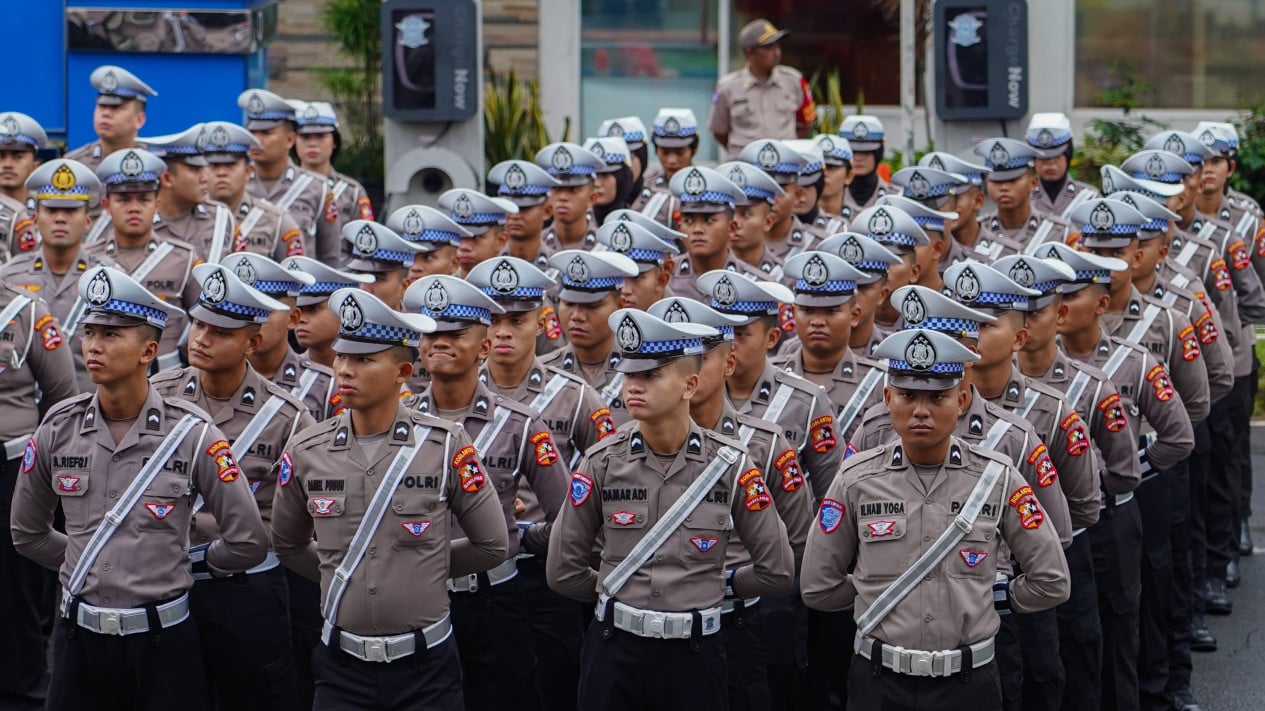
Jakarta – An academic and professor at the Police College (STIK), Albertus Wahyurudhanto, assesses that the strategy implemented by the Police Traffic Corps (Korlantas Polri) in managing mudik traffic flows has shown positive results, particularly in reducing accident risks and enhancing public satisfaction. In his view, this success is inseparable from the emphasis on aspects of public service. He states that, besides enforcing the law and maintaining security, the roles as protector, guardian, and servant are the factors most felt by the public. “It’s not just about speed, but primarily about safety, well-being, and public satisfaction. This is evident from the public’s generally positive response,” he said. He explains that from the perspective of good governance, the success of a policy is greatly determined by public acceptance. The positive response emerging during the mudik period serves as an indicator that the applied strategy is running effectively. According to him, the characteristics of mudik in Indonesia, which involve various social, cultural, and religious backgrounds, require mature management. Amid the increase in vehicles, population growth, and infrastructure development, a technology-based approach is considered key. “If not designed with technology, the results will not be optimal. This is what deserves appreciation,” he said. In addition, the presence of mudik posts and integrated services is also assessed to contribute significantly to the smoothness and comfort of the journey. He emphasises that mudik traffic management is a cross-sectoral collaborative effort, with the police as the leading sector on the roads. “This is simultaneous work. There is support from health services and various other elements that strengthen field services,” he explained. Furthermore, he highlights the importance of adapting to the digital era in traffic management. Changes in public behaviour, such as the use of GPS (Global Positioning System) and non-cash payment systems, also influence mudik travel patterns. Nevertheless, he reminds of the need to improve public literacy so that the utilisation of technology can run optimally, including in understanding toll payment systems and digital navigation. On the other hand, the data-based (data-driven) approach applied in policy-making is deemed the right step. However, he asserts that the final decision still lies in human hands, considering aspects of wisdom.