
Police Propose Inclusion of Asset Forfeiture for Drug Cases in Narcotics Bill
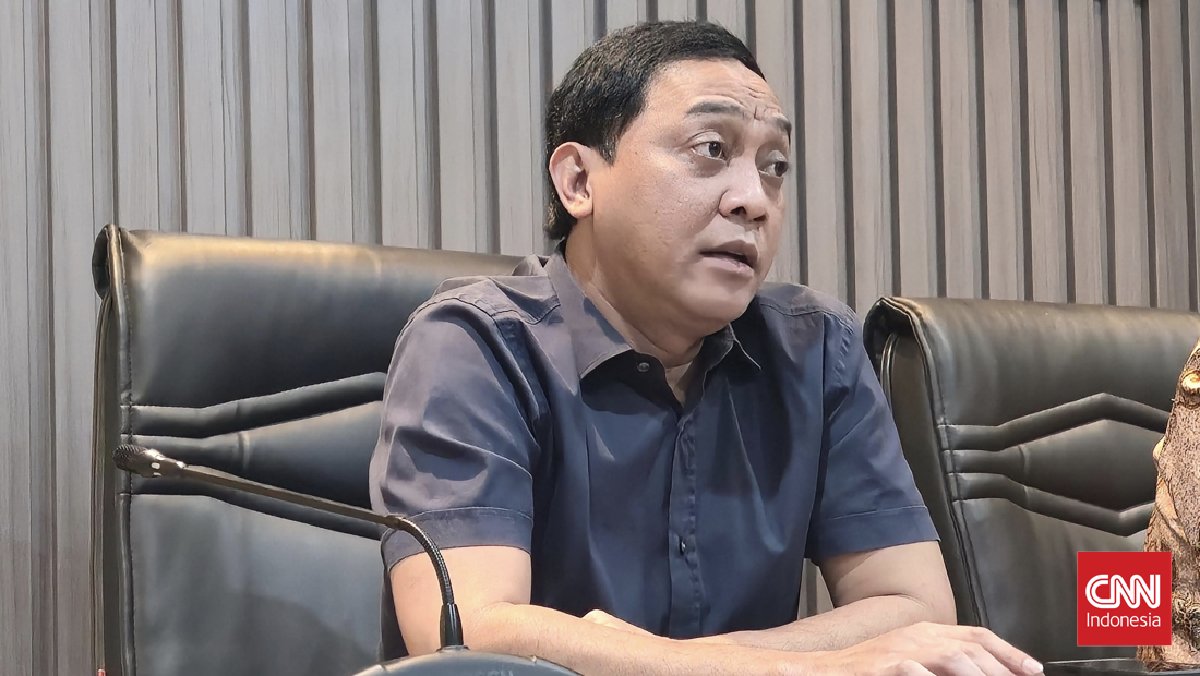
The Indonesian National Police (Polri) has proposed that asset forfeiture targeting wealth derived from drug crimes be included in the Narcotics Bill (RUU Narkotika) under deliberation by the House of Representatives (DPR). The proposal was presented by the Director of Drug Crimes (Dirtipid Narkoba) of Polri, Brigadier General Eko Hadi Santoso, during a meeting with Commission III of the DPR at the parliamentary complex in Senayan, Jakarta, on Tuesday (7/4). “Polri proposes that money and assets seized from drug crime proceeds, processed through the Money Laundering Crime Law, be regulated in the new Narcotics and Psychotropics Law,” Eko stated. Eko highlighted the urgency of asset forfeiture for wealth resulting from drug offences, noting that the circulation of drug proceeds has caused losses to the state finances. He added that forfeiture is necessary because many cases involve drug lords engaging in money laundering to disguise their assets and make them appear legitimate. “This issue is closely linked to money laundering crimes, as drug lords attempt to conceal the origin of the funds to make them seem lawful,” Eko said. In the future, Eko explained, such asset forfeiture efforts could target assets both domestically and abroad. For assets circulating overseas, forfeiture could be achieved through cooperation with local law enforcement agencies. “If the money circulates domestically, law enforcement can move to seize the assets,” Eko stated. The proposal was offered by Eko as input for drafting the new Narcotics Bill. According to him, the Narcotics Bill must continually adapt to changing dynamics. “Overall, these inputs and suggestions are efforts to perfect the Narcotics and Psychotropics Bill to make it more adaptive to field dynamics, address the firm legal needs of drug abuse victims, and provide greater scope for law enforcement to act maximally,” he said.