
Police Officer Brings Policing Through Art and Culture, Managing 5 Museums and 18 Dance Studios
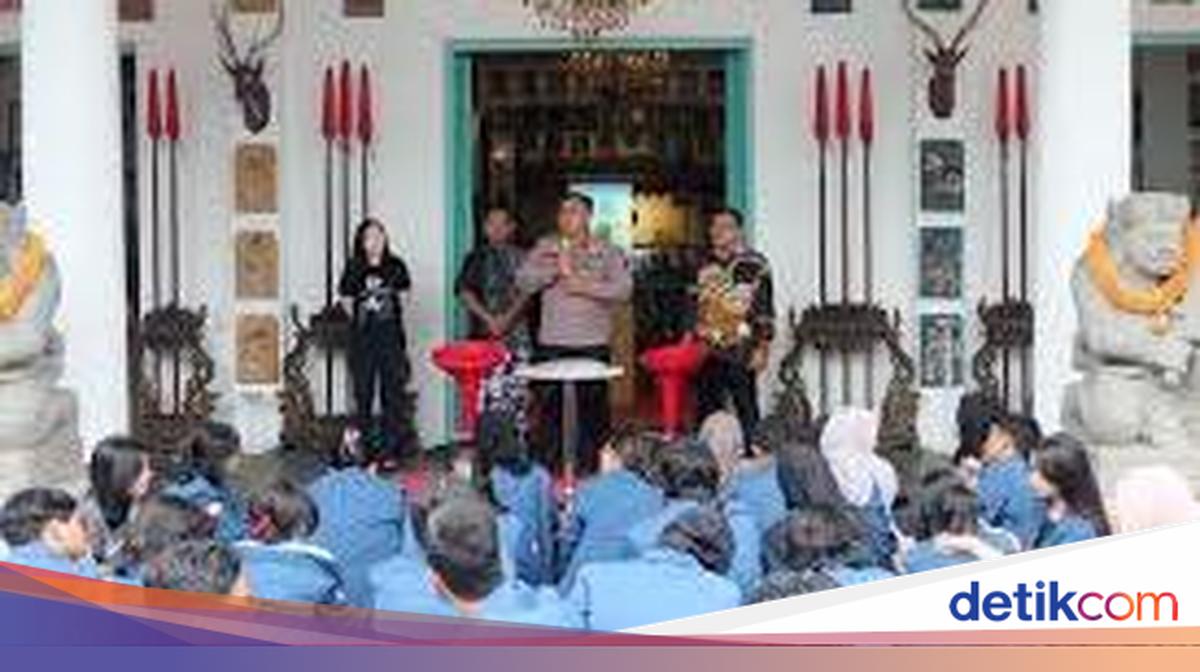
Kombes Tri Suhartanto, a policy analyst at the National Police Headquarters’ Operations Division, is a police officer dedicated to cultural preservation, particularly of post-independence Indonesian heritage. He actively manages five private museums and 18 dance studios whose members include school dropouts and street children.
He was nominated as a candidate for the Hoegeng Awards in the innovative category by detikcom reader Denny Yusuf, who believes Kombes Tri is committed to the concept of “police presence through art and culture.”
“I have known Pak Tri since my youth. But we began actively preserving culture around 2010 or 2011, when he was Deputy Chief of the Mojokerto City Police. At that time, we had a social movement together—community service trips to villages, providing free medical treatment, and organising entertainment for residents including Chinese opera and shadow puppetry,” Denny told detikcom on Friday, 6 March 2026.
Although Kombes Tri was later transferred, Denny and his brother maintained communication with the middle-ranking police officer. This led to a strong sense of solidarity in championing the preservation of post-independence Indonesian arts and culture.
“After Pak Tri’s transfer, we kept in touch. In 2015, on Pak Tri’s initiative and my brother’s, we established a studio as the Gubuk Wayang Museum. Pak Tri became the museum’s adviser. In 2015, the Gubuk Wayang Museum was inaugurated by the late Raden, creator of Si Unyil. Since about 90 per cent of his collection is housed in Gubuk Wayang, with small portions in the Jakarta Wayang Museum and Taman Mini Indonesia Indah,” Denny recounted.
Denny explained that the museum’s creation stemmed from Kombes Tri’s initiative and his brother’s concern about people who viewed cultural artefacts such as keris daggers and shadow puppets as vessels for evil spirits. Many culturally significant objects were being burned or destroyed based on these misconceptions.
“During certain periods, our culture was labelled as shirk or satanic. For example, keris were said to be possessed by demons, and wayang puppets could move on their own. As a result, many were destroyed, even though they are artefacts and heritage. We felt it was a shame because these objects represent our national identity. That’s when we felt compelled not just to enjoy but to actively preserve our culture,” Denny explained.
The seriousness of Denny, Kombes Tri, and his brother in introducing Indonesian culture, particularly post-independence heritage, was also manifested through the establishment of the Ganesya Museum in 2019, the Srimulat Museum in 2024, and most recently two museums scheduled for inauguration in April—the Dolanan Bocah Museum and the Cipta Mahardika Museum.
“After Gubuk Wayang in 2015 in Mojokerto City, we opened our second museum in 2019 before COVID in Malang City, the Ganesya Museum, located on the same grounds as Hawaii Waterpark. Then in 2024 we opened the Srimulat Museum in Batu City, and as I recall, the National Police Chief also sent congratulations at the opening. So he also expressed appreciation and support for us,” Denny stated.
“This April, if all goes according to plan, we want to open two museums in Mojokerto, across from the Gubuk Wayang Museum. The two museums scheduled for April include the Dolanan Bocah Museum and the Cipta Mahardika Museum,” he added.
Guiding Hundreds of School Dropouts to Develop Artistic Skills
According to Denny, establishing museums comes with challenges related to legality and permits for storing historically significant objects. He said Kombes Tri guided him and his brother so that the museums they established together would not violate regulations, including those from the Ministry of Culture.
“He provided extensive guidance on regulations and how we could build our collection without violating the law. Initially it was just a studio, then it became a museum in 2018. Pak Tri gave us legal guidance to ensure what we did was not inconsistent with the law,” Denny said.
Denny continued that Kombes Tri did not merely work from behind a desk. He also went out to the dance studios they managed.
“He also went to the field, I mean to the dance studios we manage. There are Barongsai lion dance studios, dragon dance, Ramayana dance—he also provided guidance to keep us on track and maintain our sincere intention of preserving Indonesian culture,” Denny said.
“Most of our studio members are school dropouts, street punks, children who need attention. Pak Tri and we embraced them. We believe that cultural activities can serve as a outlet for young people’s energy. The hub is in Mojokerto,” Denny added.
Kombes Tri is said to always weave in education and advice regarding community security and order when gathering with dance studio members. Denny said Kombes Tri sought to instil in the dance studio children the mindset that learning arts and culture is a means for them to channel their energy, and if pursued consistently can become a skill and a source of income.
“Often when there are activities and Pak Tri attends, he provides guidance and direction so they don’t become teenagers with deviant behaviour. Their energy is instead channelled into arts and culture to become a source of income for them. Initially there were 30 children, now there are nearly 190. So through arts and culture, or positive activities, they have an income,” Denny explained.
Denny further explained that thanks to Kombes Tri’s commitment to promoting the products and activities of the cultural arts he has developed, the five museums and 18 dance studios they manage are now widely known, even internationally.
“From the dance studios we have also been invited to activities both domestically and abroad,” Denny said.
Throughout his activities at museums, dance studios, and public events, Denny said Kombes Tri never removes his police uniform. He once asked Kombes Tri why he always wore his uniform, even at events unrelated to official duties.