
Police Explain Differences in Legal Consequences Between Over Dimension and Overload
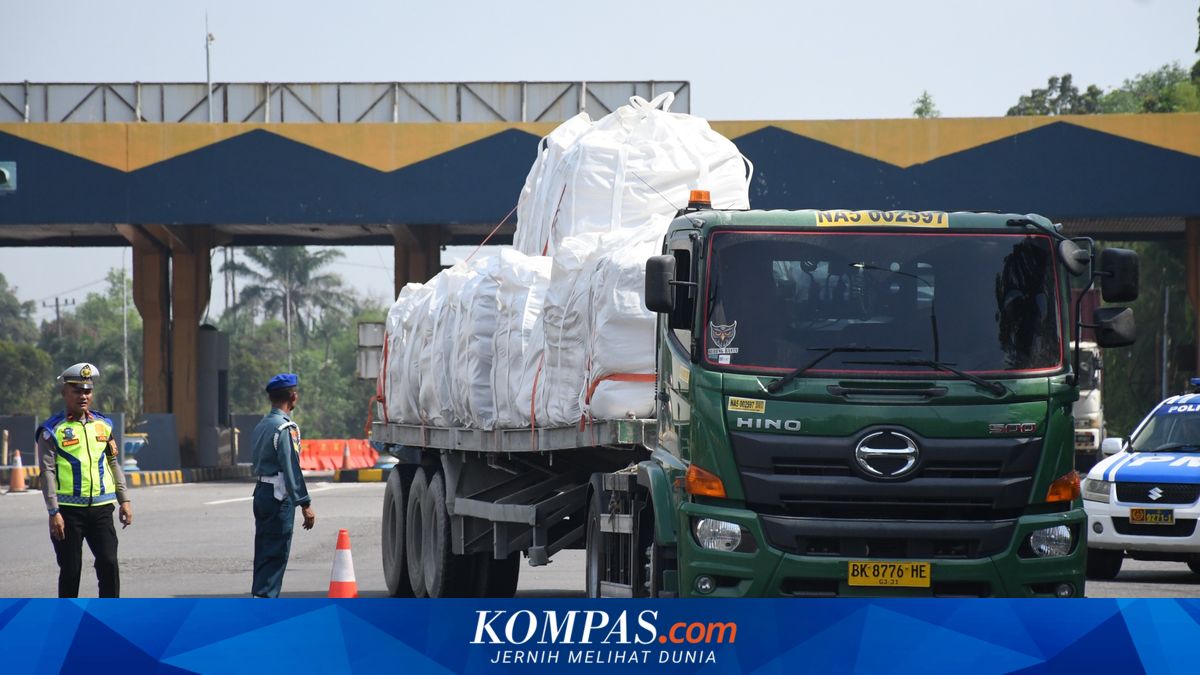
JAKARTA, KOMPAS.com - The government plans to implement a zero ODOL policy, or Over Dimension Over Loading, by 2027. The move is intended to reduce traffic accidents involving freight transport vehicles and curb road damage caused by overweight trucks. Head of the Traffic Corps (Kakorlantas) of the Indonesian National Police, Agus Suryonugroho, said that the term ODOL is not an official legal term but a popular term used by the public. ‘Therefore, ODOL does not have a specific article. What exists is enforcement against over dimension and over load,’ he said. Differences: Although they are often lumped together under the term ODOL, over dimension and overload have different meanings and legal consequences. Overload is the condition where a vehicle carries a load exceeding the allowed capacity or beyond the Authorized Weight (JBI). A violation of overload is usually subject to a traffic offence, including fines and possibly prohibition from continuing the journey until the load is reduced. Besides breaking the rules, overloaded trucks also risk accelerating road damage, reducing braking effectiveness, speeding up wear to tyres and suspension, and increasing the potential for accidents. Meanwhile, over dimension refers to vehicles whose dimensions have been altered from the manufacturer’s specifications or official permits. Modifications that count as over dimension include extending the chassis, raising or widening the body, and adding axles without permission. Therefore, over dimension falls under the category of traffic criminal acts and is regulated under Article 277 of Law No. 22 of 2009 on Traffic and Road Transport (LLAJ). The article states that those who modify a vehicle to cause a change in type without meeting the obligations of type testing can be punished with imprisonment for up to one year or a fine of up to Rp 24 million. Overload violations are regulated under Article 307 of the LLAJ Act and are more clearly traffic violations.