
Police Establish Four Suspects in Distribution of 14 Tonnes of Expired Imported Lamb Meat
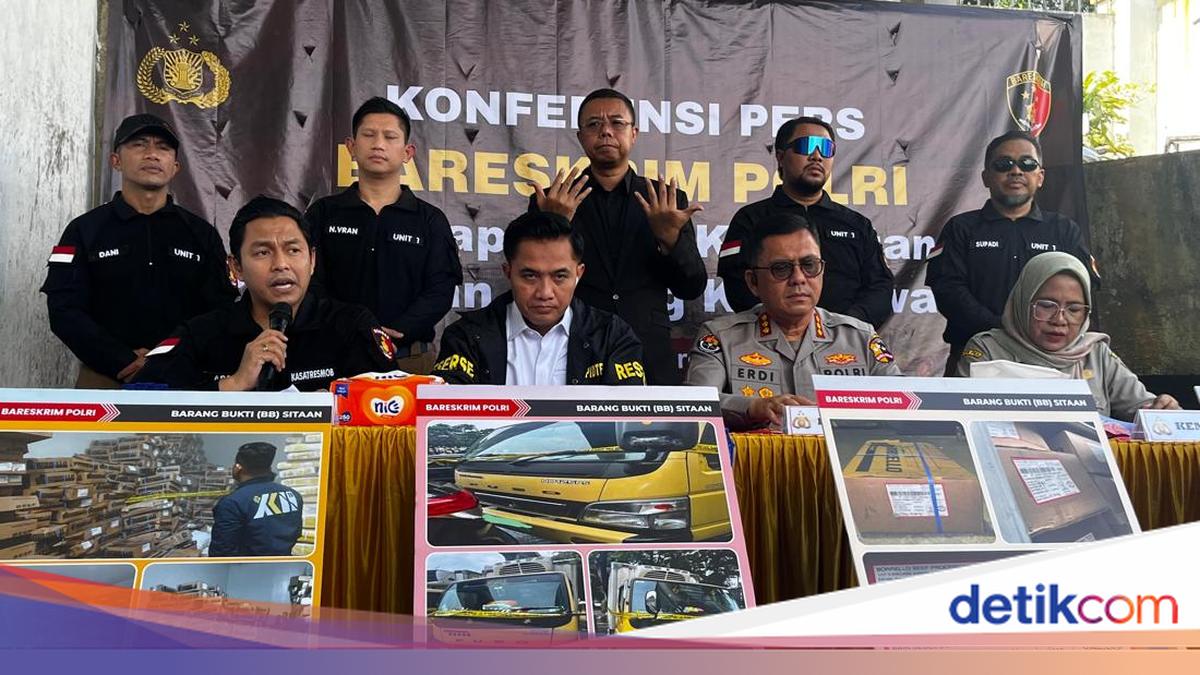
Indonesia’s Criminal Investigation Bureau (Bareskrim) of the National Police has dismantled a scheme involving the distribution of expired imported lamb meat that was intended to be marketed to the public ahead of Eid 2026. In the operation, investigators seized nearly 14 tonnes of imported meat from Australia and established four individuals as suspects.
The Head of the Bareskrim Mobile Unit, Teuku Arsya Khadafi, stated that the investigation began following a public report concerning the alleged sale of expired imported lamb carcass. “On 4 March 2026 we received information regarding the sale of imported lamb carcass meat that was suspected to have already expired. At that time, public demand for meat was quite high ahead of Eid,” said Arsya during a press conference in Cikupa, Tangerang, Banten, on Monday (16/3/2026).
Based on the report, the team conducted surveillance and secured three trucks transporting expired imported lamb meat totalling approximately 9 tonnes. The meat was planned to be distributed to wholesalers for subsequent sale to the public. “The plan was to sell it to wholesalers who would then provide it to the public,” added Arsya.
Through case development, police conducted searches at two storage warehouses—one in Poris Block B1, Batuceper and another on Serang Street Number 8, Cikupa, Tangerang. From these two locations, investigators discovered additional stocks of expired meat.
The Deputy Director of Crimes Against Special Economic Laws (Dittipidter) at Bareskrim, Setyo K Heriyatno, explained that the total evidence of expired imported lamb meat secured reached 12,913.04 kilogrammes, or approximately 12.9 tonnes. The evidence consisted of cargo from three box trucks and meat stocks stored in two warehouses in the Tangerang area. Additionally, investigators found evidence of the sale of some expired meat to a number of buyers totalling 107.98 kilogrammes.
“The investigation examined 10 witnesses, ranging from sellers, intermediaries, buyers, to drivers and assistants who transported the goods,” said Setyo.
In this case, investigators established four suspects:
IY as the seller
T as an intermediary or broker
AR as an intermediary or broker
SS as a buyer who subsequently resold the meat
Setyo stated that IY obtained the imported lamb meat from Australia in 2022 with a total purchase of approximately 24 tonnes from a meat importing company. Part of it had been sold, but approximately 14 tonnes remained with an expiry date of April 2024.
“The suspect obtained imported Australian lamb meat around 2022 by purchasing approximately 24,000 kilogrammes, or 24 tonnes, from a meat importing company,” disclosed Setyo.
Between February and March 2026, suspect IY, together with two intermediaries, T and AR, sold a portion of the expired meat to suspect SS for approximately 1.6 tonnes with a transaction value of 80.6 million rupiah. The meat was purchased at approximately 50,000 rupiah per kilogramme.
Subsequently, SS resold some of the meat to merchants at Pasar Kebayoran Lama (Kebayoran Lama Market) in South Jakarta at prices ranging from 81,000 to 85,000 rupiah per kilogramme.
“Although the suspect was aware that the imported lamb meat had expired, in order to obtain profit, they sold the meat to several people at Pasar Kebayoran Lama, Jakarta,” explained Setyo.
Additionally, Setyo continued, the suspect also planned to send approximately 9 tonnes of expired meat back using three trucks to the Kosambi area in Tangerang before finally being secured by investigators.
Investigators coordinated with the Directorate General of Livestock and Animal Health of the Ministry of Agriculture to conduct laboratory testing on meat samples at the Centre for Testing Quality and Certification of Animal Products. The test results indicated the meat was unfit for consumption.
“The organoleptic testing results showed that the meat colour was abnormal, it had an unusual meat odour or was rancid and musty, and the acidity level (pH) was elevated above normal,” stated Setyo.
“This was caused by the meat being stored for too long. Therefore, the conclusion is that it cannot be distributed and is unfit for human consumption,” he continued.
The suspects have been charged under Article 8 paragraph (3) in conjunction with Article 62 paragraph (1) of Law Number 8 of 1999 on Consumer Protection, as well as several articles in Law Number 18 of 2012 on Food and Law Number 7 of 2014 on Trade. They face a maximum prison sentence of five years or fines of up to 2 billion rupiah.