
Police Dismantle Vehicle Document Forgery Syndicate; Traffic Police Offer Tips to Avoid Becoming Victims
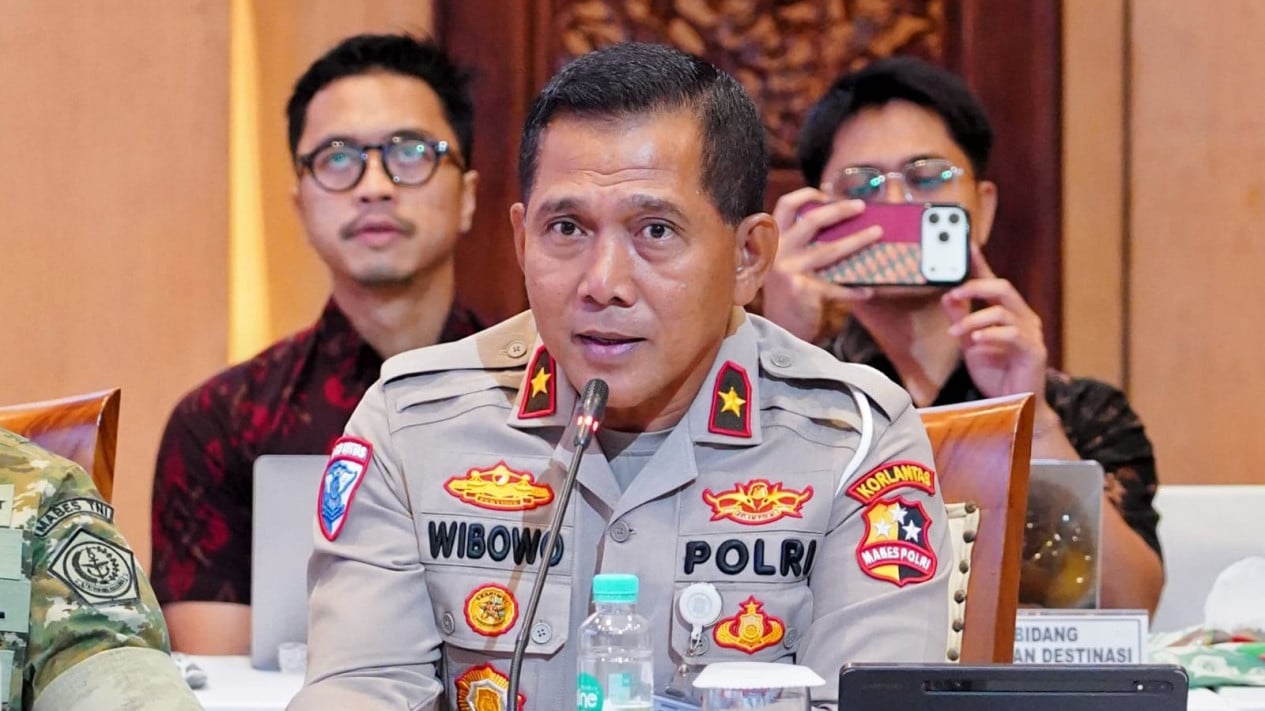
Jakarta – The Directorate of Registration and Identification (Ditregident) of the National Police’s Traffic Corps has urged the public to exercise greater caution and vigilance when purchasing second-hand motor vehicles.
The warning was issued by Ditregident head Brigadier General Police Wibowo following the emergence of numerous cases of forgery involving Vehicle Registration Certificates (STNK) and Motor Vehicle Ownership Books (BPKB) that have been exposed in various regions.
Wibowo emphasised that forging vehicle documents constitutes a serious criminal offence that can harm the public both materially and legally. Consequently, the public has been urged to verify the authenticity of vehicle documents before conducting any transactions.
“The National Police urge the public to be more careful when purchasing second-hand vehicles. Ensure that vehicle documents such as STNK and BPKB are genuinely authentic by conducting verification at Samsat or through official services available,” Wibowo stated.
The warning intensified following the revelation of a major vehicle document forgery case uncovered by the South Kalimantan Regional Police in February 2026.
In this case, police successfully exposed a cross-provincial forgery syndicate network involving STNK and BPKB documents, with operations spanning Central Java, West Java, East Java, Yogyakarta, Bali and Kalimantan.
From the case investigation, law enforcement officers seized an exceptionally large quantity of evidence: nearly 20,000 forged STNK and BPKB documents, as well as 20 four-wheeled vehicles suspected of being stolen vehicles.
Police also apprehended six suspects, comprising four individuals in Central Java and two in South Kalimantan, who held roles as document forgers, sellers and marketers of the counterfeit documents.
Based on investigative findings, the syndicate operated by purchasing vehicles with outstanding credit or defaulted leasing obligations.
These vehicles were subsequently provided with forged documents in the form of STNK and BPKB to enable resale to the public through social media platforms such as Facebook and WhatsApp. From this illegal practice, the syndicate reportedly generated approximately 100 million rupiah in monthly profits.
Furthermore, in several cases the perpetrators allegedly worked in collaboration with certain debt collectors who repossessed vehicles from defaulting customers but failed to return them to leasing companies, instead selling them again with falsified documents.