
Police Arrest Wealthy Beggar, Found to Own Three Luxury Cars
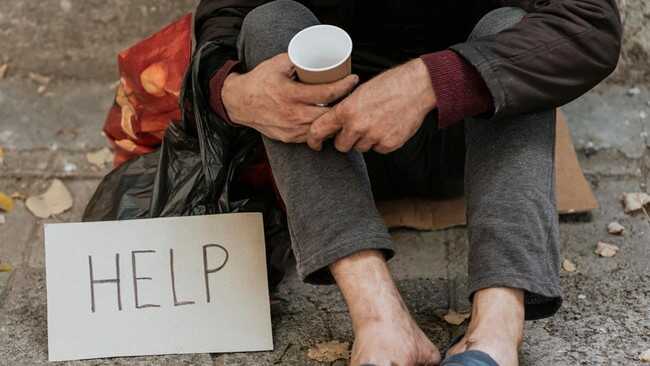
Jakarta, CNBC Indonesia - The holy month of Ramadan is synonymous with worship, charity, and almsgiving. However, in the United Arab Emirates, this empathetic period is being exploited by several professional begging syndicates. There have even been reports of individuals entering the UAE with short-term visit visas specifically to beg during the holy month.
As reported by Gulf News on Thursday (26/2/2026), in recent arrests, the police uncovered astonishing facts. One man, arrested for begging, was found to own three luxury cars.
Another case revealed a beggar hiding 25,000 dirhams (approximately IDR 90 million). There was also a beggar who used a two-year-old child to collect 20,000 dirhams in various currencies in just a few days.
The police also uncovered a family-based syndicate that forced children, even those as young as seven years old, to beg on the streets instead of attending school. Under Federal Law No. 9 of 2018, individual beggars face up to three months in prison and a fine of 5,000 dirhams. Meanwhile, the organisers of the syndicate can be imprisoned for at least six months and fined starting from 100,000 dirhams.
New Modus: Begging Using AI
Not only on the streets, but the practice of electronic begging is also increasing. Scammers are now using artificial intelligence to create fake sympathetic content.
The modus operandi includes creating fake hospital scenes, fabricated medical reports, and manipulated images of sick children. There are even AI-based voice messages sent via WhatsApp and Instagram to elicit empathy.
The UAE’s cybercrime unit is now using digital forensic tools to track AI-based content and dismantle these networks. Authorities in Dubai, Abu Dhabi, and Sharjah are reminding citizens not to give cash directly to individuals on the street.
According to them, direct giving risks funding organised crime, encouraging child exploitation, and obscuring assistance for genuinely needy cases. The UAE government emphasises that donations should be channelled through official and licensed charities to ensure they reach the intended recipients and are verified.