
Poland Rejects US Request to Send Patriot Missiles to the Middle East for NATO Security
The Polish government has affirmed that it will not send its Patriot air defence systems to the Middle East, despite reports that the United States (US) has informally requested such a move amid the escalation of conflict with Iran.
The Polish daily Rzeczpospolita reported on Tuesday (31/3) local time that Washington has explored the possibility of deploying one of Poland’s two Patriot batteries to bolster defences in the region, as missile attacks on US forces and allies increase.
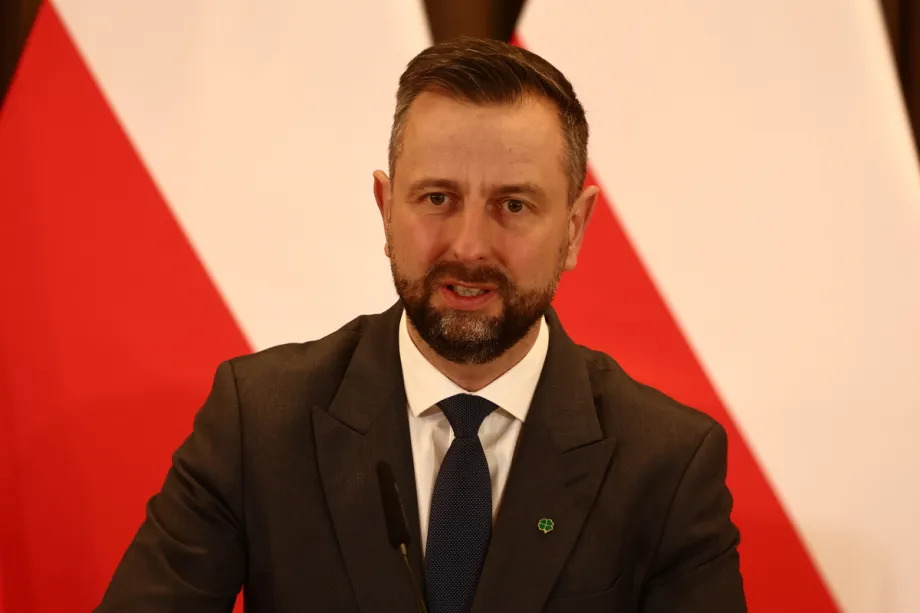
However, Polish Defence Minister Wladyslaw Kosiniak-Kamysz immediately refuted the notion. Via platform X, he stressed that Poland’s Patriot systems remain focused on national defence.
“Our Patriots protect Polish skies and NATO’s eastern flank. Nothing has changed in this regard, and we have no plans to move them anywhere,” he wrote. “Our allies fully understand the importance of the task we are carrying out here. Poland’s security is an absolute priority.”
The Ministry of Defence also denied any pressure from Washington. Ministry spokesperson Janusz Sejmej stated, “America is not pressuring us in any way on this matter.”
Poland’s Chief of General Staff, Wieslaw Kukula, also dismissed the report, saying, “No one has requested that.”
Poland currently operates two Patriot batteries integrated into the Wisla air defence system and the US-built IBCS command network. The systems are based in Sochaczew and capable of intercepting aircraft and missiles up to 100 kilometres away.
As a NATO member bordering Russia, Belarus, and Ukraine, Poland views strengthening its domestic air defences as a strategic priority.
Prime Minister Donald Tusk has previously affirmed that Poland will not send military forces to Iran.
Amid rising conflict in the Middle East, demand for Patriot systems is reportedly surging. Poland itself has ordered six additional batteries scheduled for delivery between 2027 and 2029, though concerns have arisen that deliveries may be delayed due to high global demand.