
PNM Plants 27,000 Trees to Support a Healthier Environment
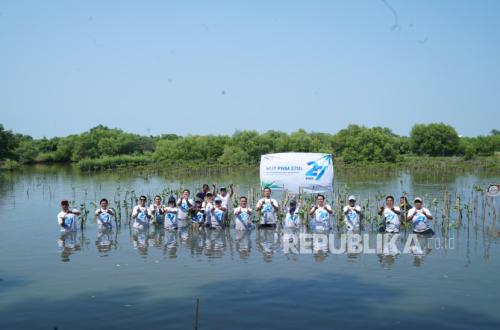
PT Permodalan Nasional Madani (PNM) has planted 27,000 trees in various regions as an effort to support a healthier environment for the community. The programme was carried out through 58 PNM branches across Indonesia, with each branch planting at least 500 tree seedlings.
PNM Managing Director Kindaris stated that tree planting is part of the company’s commitment to expanding community empowerment, not only through access to capital and business mentoring, but also through environmental conservation.
“Overall, 27,000 trees have been planted as a simple but meaningful step to create a healthier environment for the community, where they live, work, do business, and build their family’s future,” Kindaris said in Jakarta on Friday.
According to him, the movement is part of the company’s efforts to support sustainable development, particularly in addressing climate change and preserving terrestrial ecosystems.
With the spirit of #PNMuntukUMKM and #PNMPemberdayaanUMKM, PNM is also continuing various social programmes that have been previously implemented. One of these is the RE3 FOR-E programme, which successfully collected 20 tonnes of wearable clothing from PNM personnel to be distributed to people in need. The programme also distributed reading books to support improved literacy.
In addition, PNM runs the PNM Mengajar programme, which reaches 58 vocational high schools from Sabang to Merauke.
Kindaris said that care for the community can be realised in various forms, ranging from basic needs assistance and educational support to efforts to protect the environment.
“For PNM, empowerment is not only about helping people develop their businesses, but also about safeguarding the living space where they grow. We want the benefits delivered to not only be felt today, but also to grow for the next generation,” Kindaris concluded.