
PNM Mekaar Helps Revitalise Javanese Blangkon Amidst Modernisation
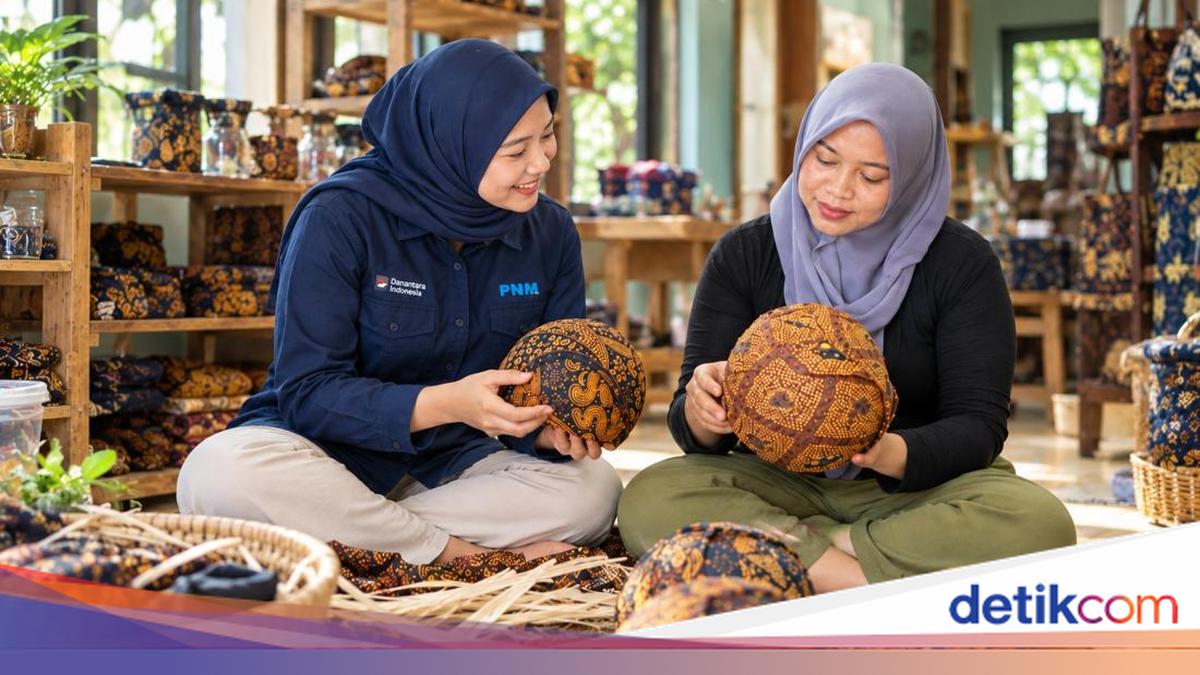
A blangkon may appear to be just a head covering. However, in the hands of Tri Damayanti and her husband, every strand of fabric shaped and arranged holds a longer story: one of inherited skill, a business that sustains a family, and Javan andese culture striving to survive amidst changing times.
For Tri’s family, the blangkon is more than just a craft. Behind its production process lies a family kitchen that must remain active. Therefore, keeping the business running means more than just maintaining production; there is the challenge of keeping the product recognised, reaching wider markets, and ensuring the skill of making blangkons retains its economic value.
Tri’s journey eventually led her to PT Permodalan Nasional Madani (Persero). Since becoming a client in 2023, Tri has gained access to financing that has helped her meet the needs for raw materials.
However, business strengthening does not stop at capital. Through empowerment activities, PNM also provides knowledge and mentoring to help Tri develop ways to market her products. Consequently, social media has begun to be utilised as a new space to introduce blangkons to a larger audience.
“I am grateful to PNM for providing training and mentoring that has been very beneficial to my business. Through this training and guidance, I can market my products through social media so that my products become more widely known,” Tri stated in a written release on Tuesday (29/09/2026).
The changes experienced by Tri illustrate that the strengthening of ultra-micro enterprises does not end once capital is received. There is knowledge that needs to be built, the courage to try new methods, and the opportunity to expand markets. It is at this point that empowerment becomes a vital part of a business journey.
PNM President Director Kindaris stated that the company strives to open access while simultaneously creating opportunities so that underprivileged communities can develop their existing potential. According to him, financing serves as the entry point, while empowerment helps clients gain the ability to continue growing.
“Opening access is not just about providing financing. We want to open opportunities so that every client can learn, develop their business, and become more confident in their potential,” said Kindaris.
“Therefore, we present financing and empowerment side by side, so that the businesses being run do not merely survive, but have the space to continue growing,” he added.
This approach is crucial for businesses like the one run by Tri. Because when a traditional business has the space to expand, it is not only the family economy that grows, but also the opportunity for local skills and products to find their place amidst changing times.
“I hope this mentoring continues so that we, as clients, can continue to develop, become more confident, be able to expand our businesses, and improve our family’s economy,” said Kindaris.
From a small business home in Pracimantoro, these blangkons continue to be handcrafted. Every order represents not only income for Tri’s family but also serves as part of the journey for a traditional skill to find its place amidst a constantly changing generation.