
PLN strengthens electric vehicle infrastructure to welcome tourists in Bali
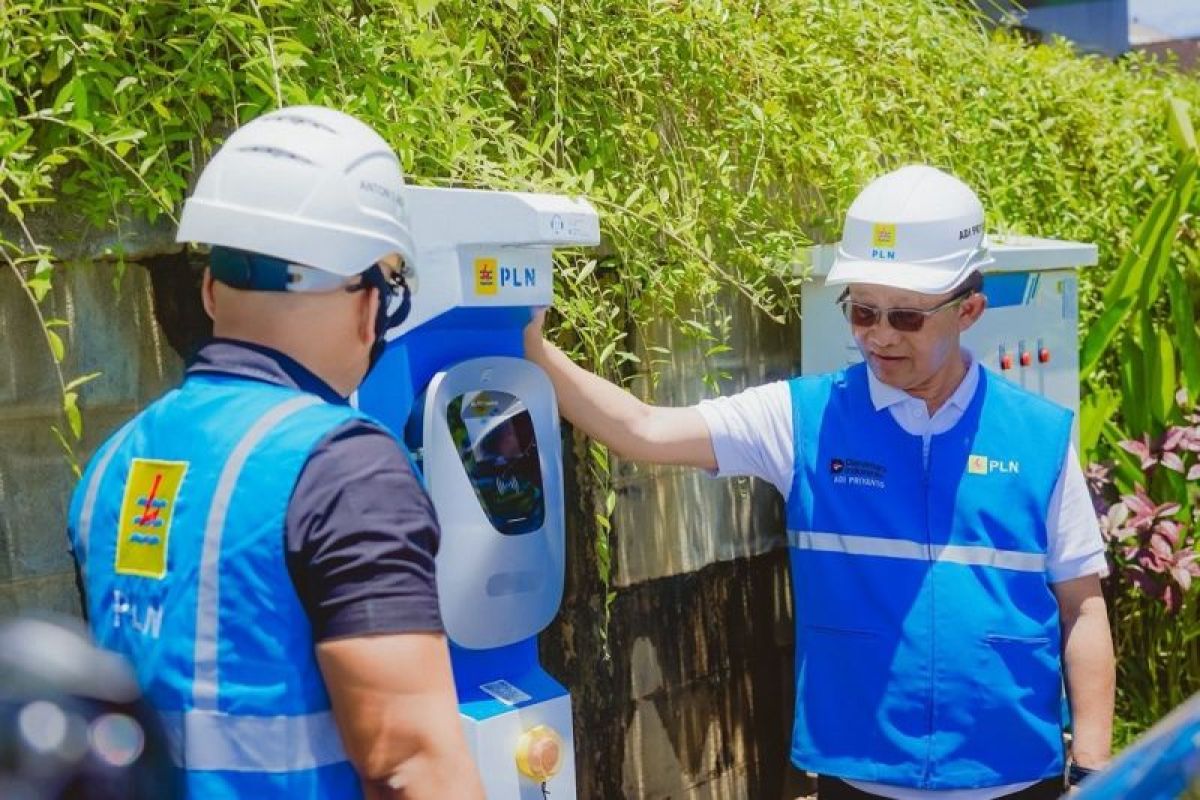
Jakarta — PT PLN (Persero) is strengthening electric vehicle (EV) infrastructure to support tourist mobility and accelerate the clean energy transition in Bali, particularly ahead of two major religious observances: Nyepi Day and Eid al-Fitr 2026.
The Director of PLN’s Retail and Commerce Division, Adi Priyanto, stated that the company has conducted comprehensive checks spanning generation, transmission, distribution, and readiness of public electric vehicle charging stations (SPKLU) at various strategic locations in Bali.
“Our personnel are on standby 24 hours across three shifts to ensure electric vehicle users receive safe and comfortable service,” Adi said in a statement in Jakarta on Monday.
PLN estimates approximately 4,500 electric vehicles will enter Bali during the holiday and tourism period. To support this mobility, the company has prepared 142 SPKLU charging stations distributed across various locations including tourist areas, shopping centres, and main travel routes.
“We ensure that tourists coming to Bali using electric vehicles will not experience difficulties in charging,” he said.
Electrical readiness checks have also been conducted at several strategic locations, including economic activity centres such as Trans Studio Mall Bali, which now has three SPKLU units serving electric vehicle users.
Anton, Chief Executive of PLN Icon Plus, added that charging facilities at the location will be upgraded in the future to accommodate increasing user demand. “Currently, three medium-type SPKLU units are available and seeing considerable use. In the future, we plan to increase capacity to fast charging and ultra-fast charging to better suit user needs,” he said.
Trans Studio Mall Bali also forms part of green energy development through the installation of rooftop solar power plants (PLTS) with a capacity of nearly 1 megawatt (MW). The solar installation is equipped with battery and inverter systems enabling more stable energy management and integrated with PLN’s electrical network through a virtual power plant (VPP) concept.
“This concept not only enhances electrical reliability at the location, but also helps improve the renewable energy mix in Bali,” Anton said.
Meanwhile, Nayuzrizal, Executive Vice President for PLN’s Commercial Product Development, added that Bali has significant potential to become Indonesia’s centre for developing an electric vehicle ecosystem. Bali’s position as an international tourism destination makes the transformation to low-emission transportation increasingly important.
“Electric vehicle development not only provides mobility convenience but also forms an important part of cleaner and more sustainable transportation systems,” he said.