
PLN Highlights Industrial Distribution through Green Energy Interconnection
Therefore, we certainly need to prepare what we call the Green Enabling Super Grid, where we must bring or transfer energy from renewable power plants outside Java to Java.
Jakarta (ANTARA) - PT PLN (Persero) has highlighted the importance of equitable industrial distribution in Indonesia through interconnection or transmission of electricity based on green energy or new renewable energy (EBT) scattered across islands outside Java.
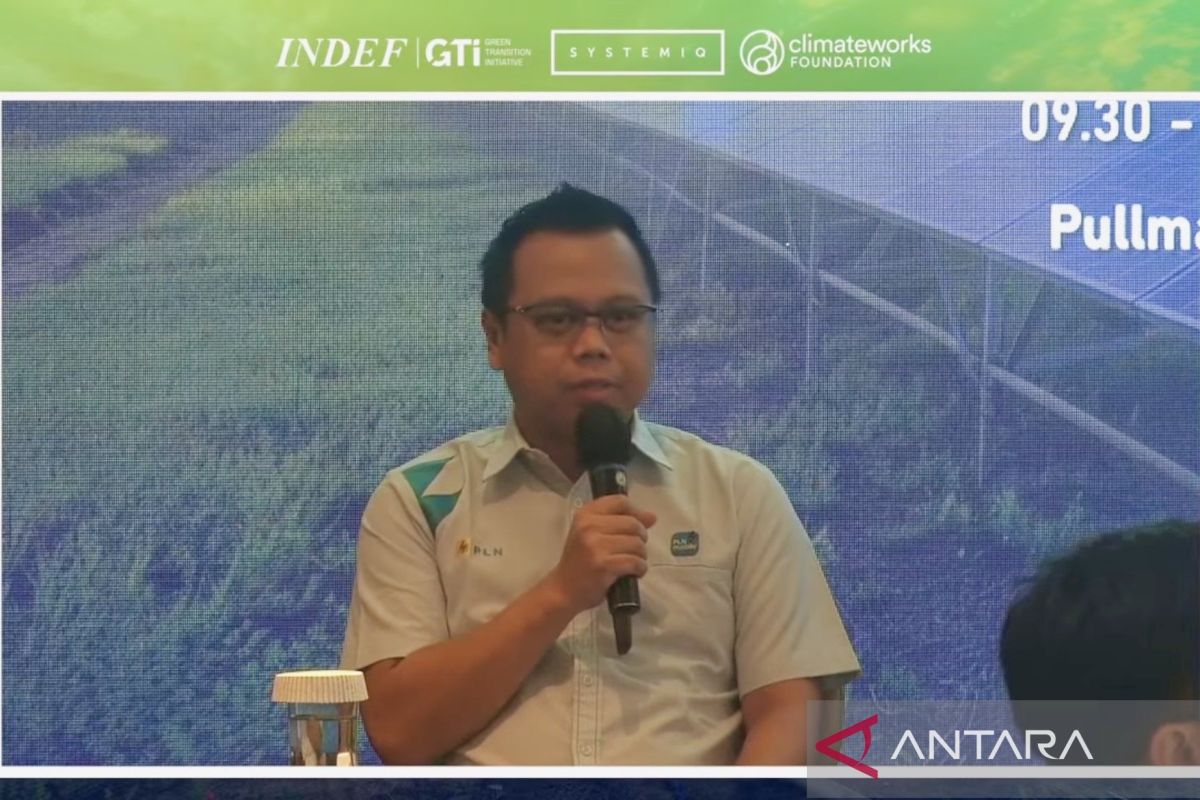
VP of Electricity Supply Planning at PT PLN (Persero), Arif Sugiyanto, during a public discussion held in a hybrid format in Jakarta on Tuesday, gave an example of how energy demand in Java is very high, but EBT sources to support industrial activities are relatively limited.
“This is actually one way that, if possible, there could be equitable industrial distribution not just concentrated in Java, so we can also utilise renewable energy sources available outside Java,” said Arif.
This aligns with the mandate in the Electricity Supply Business Plan (RUPTL) 2025-2034 for PLN to build a Green Super Grid or large-scale green transmission network as the backbone for distributing electricity from EBT sources, which are generally located in remote areas, to high-demand centres such as industrial zones, major cities, and densely populated regions across Indonesia.
He exemplified how Sumatra has abundant EBT potential, such as geothermal and hydropower, which can be further expanded for the benefit of public electricity supply.
The government itself targets the construction of electricity transmission over the next 10 years to reach a total of 47,758 circuit kilometres (kms).
This network will connect EBT power plants to PLN substations, and subsequently distribute power to the distribution network until it reaches customers or end users.
“Because building such a long interconnection certainly requires very substantial costs, especially using submarine cables over very long distances, which results in very large investments,” he said.
Nevertheless, he is optimistic that with Indonesia’s abundant EBT potential and wealth, it will still attract investor interest.
“The hope is just the cost of funds. So, the competitiveness from cheaper cost of funds, hopefully, will also impact the development of renewable energy becoming cheaper, and of course, tariffs for the public will also become cheaper,” said Arif.