
PLN EPI ensures infrastructure development is accompanied by ecosystem protection
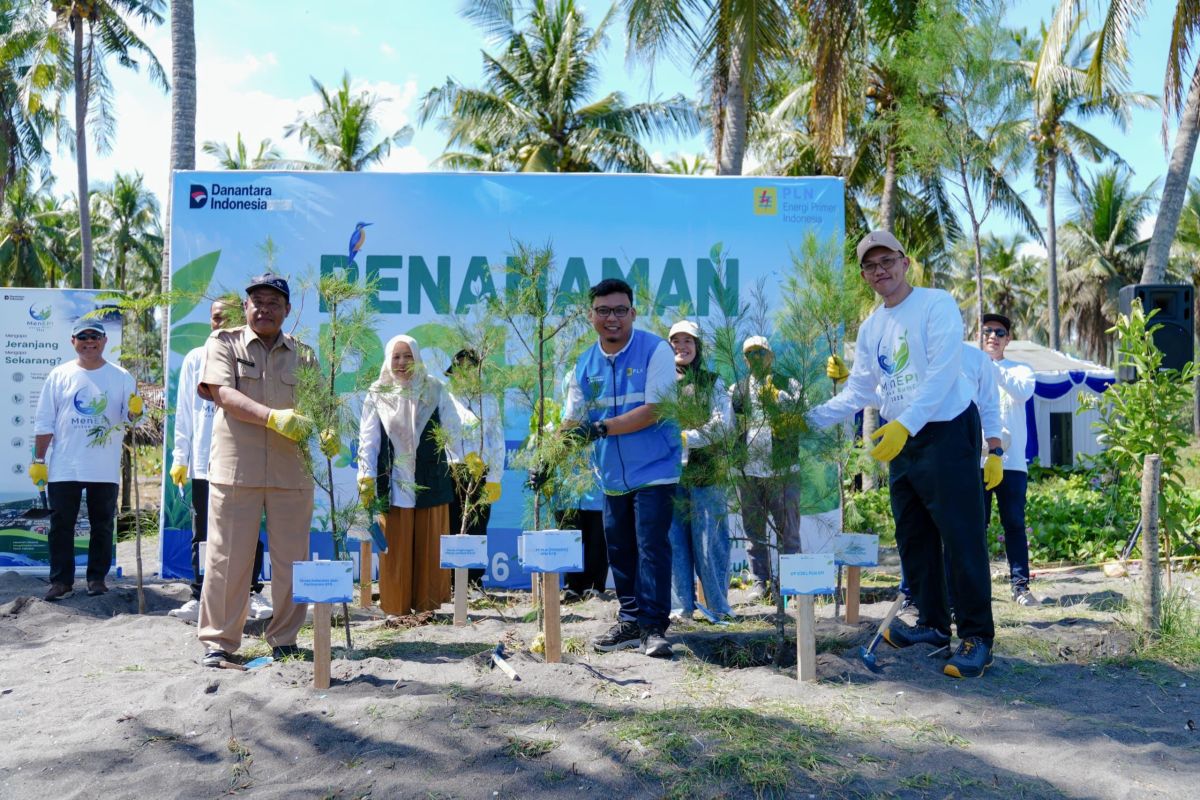
Jakarta (ANTARA) - PT PLN Energi Primer Indonesia (PLN EPI) has ensured that the presence of energy infrastructure is accompanied by the protection of the surrounding ecosystem.
“As a company managing the primary energy supply chain for Indonesia’s electricity sector, we have a responsibility to ensure that the presence of energy infrastructure is also accompanied by the protection of its ecosystem,” stated PLN EPI’s Corporate Secretary, Mamit Setiawan, in a statement from Jakarta on Tuesday.
He cited an example where PLN EPI planted 2,500 mangrove trees in the Pantai Induk Lombok area, Jeranjang, West Lombok, West Nusa Tenggara, through an activity titled MenEPI untuk Bumi 2026, held to commemorate World Biodiversity Day.
The activity involved the local government, the West Nusa Tenggara Provincial Marine and Fisheries Office, tourism awareness groups (pokdarwis), coastal communities, and local residents as part of a collective effort to maintain the sustainability of the coastal area from the threat of abrasion.
Mamit said the Pantai Induk Lombok area was chosen because it has a direct connection to PLN EPI’s primary energy supply operations while also being a coastal region facing significant abrasion pressure.
Jeranjang, he continued, holds a strategic position in the national primary energy supply chain, as PLN EPI supplies biomass to the Jeranjang PLTU, which supports around 20 per cent of Lombok Island’s electricity needs.
“The primary energy we provide must not sacrifice natural life, but must still preserve the existing ecosystem. Therefore, this activity is a form of our responsibility to return benefits to the coastal area,” he said.
He also explained that mangrove trees were chosen due to their important ecological function in maintaining the coastline.
The roots of the plant can help hold back abrasion, dampen coastal winds, and strengthen the coastal area’s resilience against sea waves.
Gerung Sub-District Head Fitriati Wahyuni assessed that the tree-planting programme and coastal area restoration are important steps to revive the economic activities of the surrounding community.
“If tourist spots grow back, UMKM will also move, and the impact will be on community welfare,” she said.
Meanwhile, Head of the Lombok Region Marine and Fisheries Resource Management Agency, West Nusa Tenggara Provincial Marine and Fisheries Office, Abdul Wahab, stated that cross-sector collaboration is key to preserving coastal areas amid abrasion challenges and limited local government budgets.
“We greatly appreciate PLN EPI’s support for coastal conservation. Programmes like this are important for maintaining the sustainability of marine and fishery resources for future generations,” he said.
The MenEPI untuk Bumi 2026 programme is part of PLN EPI’s commitment to integrating environmental, social, and governance (ESG) principles into all lines of the company’s operations, while supporting sustainable development in areas around national primary energy operations.