
PLN Ensures Bali's Electricity Supply Secure Ahead of Nyepi and Eid al-Fitr 2026
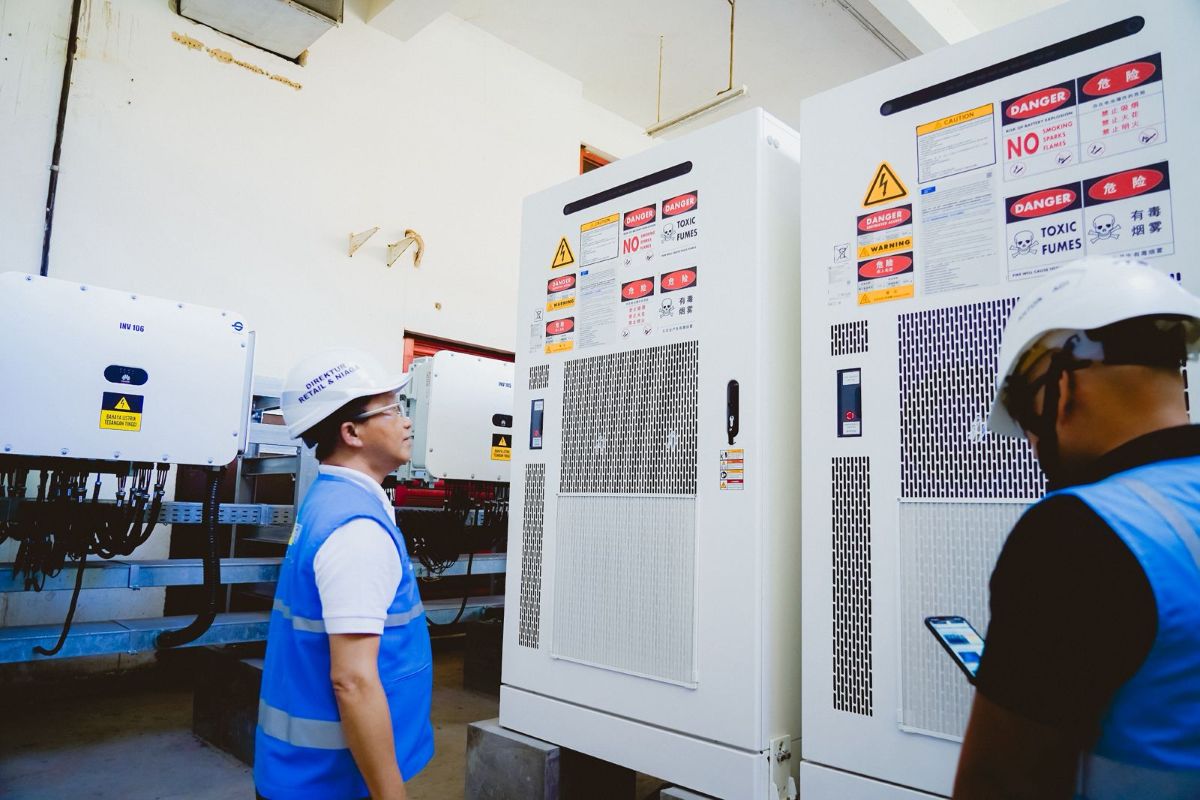
PT Perusahaan Listrik Negara (PLN) Persero has ensured the readiness of Bali’s electrical system ahead of two major religious moments: Nyepi Day and Eid al-Fitr 2026. Beyond maintaining reliable electricity supply, PLN is also strengthening electric vehicle (EV) infrastructure to support tourist mobility whilst promoting the transition to clean energy on the Island of the Gods.
Adi Priyanto, Director of Retail and Commerce at PLN, stated that the company has conducted thorough checks of the entire electricity system chain, from generation through transmission, distribution, and the readiness of public electric vehicle charging stations (SPKLU) at various strategic locations.
“We have checked all our preparations from generation, transmission, distribution, through to customer service, including the readiness of SPKLU in Bali. Our personnel are on standby 24 hours across three shifts to ensure electric vehicle users receive safe and comfortable service,” Adi said.
PLN estimates approximately 4,500 electric vehicles will enter Bali during the travel season and tourist activity period. To support such mobility, PLN has prepared 142 SPKLU units distributed across strategic locations including tourist areas, shopping centres, and main travel routes.
“We ensure that tourists arriving in Bali with electric vehicles will not face difficulties with charging,” Adi added.
PLN also conducted readiness checks at several strategic locations, including Trans Studio Mall Bali.
Eric Rossi Priyo Nugroho, General Manager of PLN’s Bali Distribution Division (UID), explained that the inspection aimed to ensure electricity service quality for large customers remains maintained ahead of the Ramadan alert period and Eid al-Fitr. During the visit, shopping centre management also provided testimonials regarding PLN’s service reliability.
“PLN’s service is very good. We rarely experience power outages, so the mall operates smoothly,” Eric conveyed management’s statement.
According to Eric, visitor activity at Trans Studio Mall Bali increases significantly ahead of Ramadan, particularly during breaking-fast times, as the shopping centre is dominated by food and beverage (F&B) tenants.
Alex, Manager of PLN’s South Bali Unit (UP3), explained that to maintain electricity supply reliability, PLN implements a layered network system (spindle network). With this system, should a disruption occur on one network, electricity supply can immediately be diverted without affecting customers.
Trans Studio Mall Bali itself is a major PLN customer with connected capacity of approximately 695 kVA. The mall’s average monthly electricity consumption reaches 1.32 million kWh with monthly electricity payments of approximately IDR 1.6 billion.
Beyond ensuring electricity reliability, PLN is also promoting the integration of an electric vehicle ecosystem within shopping centre areas. Trans Studio Mall Bali currently has three SPKLU units serving electric vehicle users.
Anton, Chief Executive Officer of PLN Icon Plus, stated that these facilities will be upgraded to fast charging and ultra fast charging in the future to meet the growing needs of electric vehicle users.
“Currently, three medium-type SPKLU units are available and seeing considerable use. We will increase their capacity in the future to make them faster and more efficient,” he said.
PLN is also exploring the integration of electric vehicle charging services with Trans Studio Mall’s application so that EV users can enjoy various tenant promotions whilst charging.
Additionally, the shopping centre has developed a rooftop Solar Power Generation (PLTS) facility with a capacity of nearly one megawatt. The PLTS is equipped with a battery system and inverter that enable more stable energy management and integration with the PLN network through a virtual power plant (VPP) concept.
“This concept not only increases electricity reliability but also helps improve the green energy mix in Bali,” Anton said.
Bali’s electrical system readiness has also been strengthened through coordination between generation, transmission, and distribution units. Komang Teddy Indra Kusuma, Manager of Bali’s Load Control Implementation Unit (UP2B), ensured that Bali’s electrical system is in safe condition overall.
“Operating reserve is more than 20 per cent, or approximately 300 megawatts, which is sufficient to handle the Ramadan alert period, Eid al-Fitr, and Nyepi,” he said.
During the alert period, PLN has also postponed several maintenance activities that could potentially cause electricity supply disruptions.
“We ensure there are no maintenance works that could cause outages during the alert period,” he added.
Meanwhile, I Made Harta Yasa, Manager of Indonesia Power’s Generation Business Unit (UBP) Bali, stated that the power plants managed by PLN Indonesia Power in Bali have a capacity of approximately 759 megawatts (MW). These plants are distributed across several locations including Pesanggaran, Gilimanuk, Pemaron, and Nusa Penida.
“All power plants are in ready operational condition with sufficient primary energy supply,” he said.