
PLN Encourages Retired Employees to Start Their Own Businesses
Pensioners are increasingly seen not just as the end of a career but as a new phase in which they can stay productive through entrepreneurship. Several companies and institutions have begun delivering business-booting programs for retirees to facilitate a transition to independent ventures.
One such initiative is implemented by PLN (Persero) through the PLN 2026 Kelas Entrepreneurship Masa Purnabakti, in collaboration with PT Magfood Amazy Internasional under the Amazy brand. The program focuses on training PLN employees entering retirement in food business skills.
The program runs from April to May 2026 at PLN Learning and Training Implementing Units (UPDL) across the country, including in Suralaya, Bogor, Pandaan, Banjarbaru, and Tuntungan.
PLN and Amazy run seven intensive training classes, each lasting four days, with six months of business mentoring after training ends. The program represents a national-scale initiative to empower retirees to pursue entrepreneurship within the state-owned enterprise ecosystem.
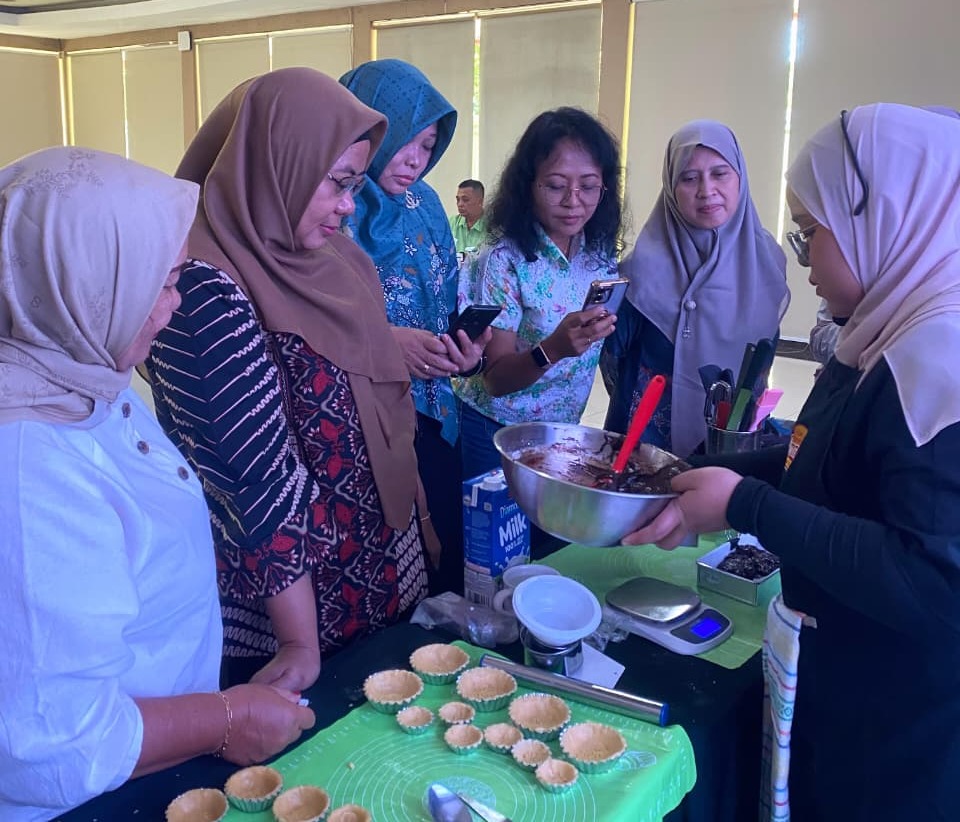
Training is divided into two main focuses: frozen food and bakery. Participants gain not only theory but also hands-on practice in production, packaging, and digital marketing strategies.
In the frozen food module, participants are trained in producing items such as dim sum and nuggets to industrial standard operating procedures. In the bakery module, participants learn the production of bread, pies, fruit tarts, and cakes, as well as managing the business.
Yanti Melianty Isa, CEO & Founder of PT Magfood Inovasi Pangan, noted that many retirees remain eager to stay productive but still need more practical business coaching.
“This program is expected to be a bridge toward independent entrepreneurship. Participants will not only learn theory but also understand direct business practices—from production and packaging to marketing strategies,” she said in a formal statement.
According to Yanti, the food business still has great potential, including the frozen food segment, which continues to grow as people increasingly seek practical, ready-to-consume foods.
In addition to technical production skills, the program also covers food safety, business management, branding, and digitally-based distribution. Each participant also participates in an industry visit to see the production processes and management of industrial-scale food businesses, from production systems and quality control to packaging.
Yanti added that industry visits are a crucial part of the programme because they help participants understand the real-world conditions of the businesses they will run after retirement.
“We want participants to return home not only with knowledge in their heads but with a clear vision of what their business will look like,” she said.
Amazy described its involvement in the programme as part of developing educational and entrepreneurial empowerment services for food in which the company has been involved. (E-4)