
Plastic Waste Processing Technology Assessed to Strengthen Circular Economy at Community Level
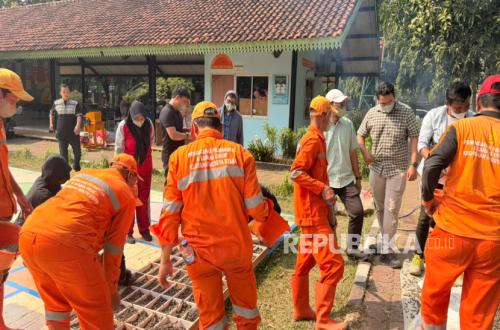
A community service team from Mercu Buana University has implemented a programme using plastic shredding machines to produce permeable paving blocks in Meruya Utara, West Jakarta. The initiative, supported by the Directorate of Research and Community Service of the Ministry of Higher Education, Science, and Technology, also included digital financial recording training for PKK cadres and MSMEs. Team leader Fitri Indriawati stated the programme was designed not only to reduce plastic waste accumulation but also to build the community’s capacity to independently manage a circular economy-based business. By utilising the shredding machines, household waste is processed into raw material for water-permeable paving blocks. These products feature pores that allow rainwater to seep into the ground, improving soil absorption and reducing surface runoff. In addition to waste processing, participants received training in digital financial recording using Microsoft Excel. The material covered cash receipt and disbursement records, production cost calculations, and the preparation of profit and loss statements, balance sheets, and cash flow reports. The digitalisation of financial records is expected to help PKK cadres and MSMEs manage their businesses in a more orderly, transparent, and accountable manner, enabling waste processing activities to develop into sustainable enterprises. Meruya Utara Sub-district Head Agustiawan noted that waste management remains a persistent challenge in urban areas, including Jakarta. He emphasised the importance of innovations that can be directly applied at the community level to strengthen waste management at its source. Mercu Buana University stated that ongoing assistance will be provided to ensure the community can independently operate the plastic shredding machines, produce permeable paving blocks, and implement digital financial recording systems. The programme is expected to support the implementation of a circular economy by reducing plastic waste, increasing community participation, and creating waste-based business opportunities that add value for both the environment and the local economy.